



Top things to do in Vienna

Quick overview

Access: Included with Lower Belvedere Palace tickets and Upper + Lower combo tickets
Separate ticket: Not required (cannot be purchased individually)
When you'll see it: Appears early in the visit within the Lower Belvedere temporary exhibition route
Visit duration: 20–30 mins self-guided for a clean circuit/30–45 mins if reading wall texts
Best time: First Lower Belvedere entry slot on a weekday, or the last 90 minutes before closing
Restrictions: Exhibition changeovers, private events, and installation periods can temporarily affect access

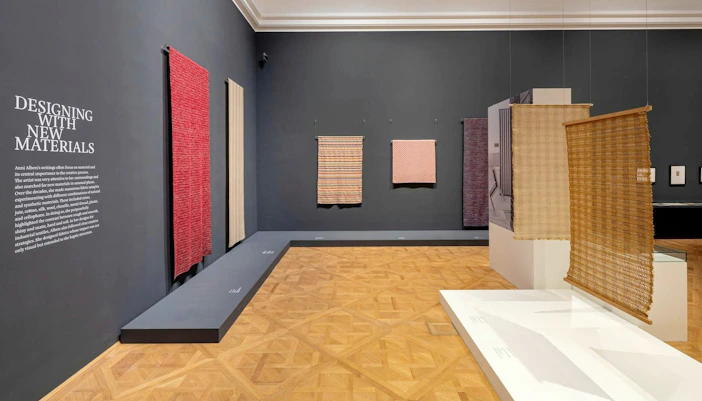
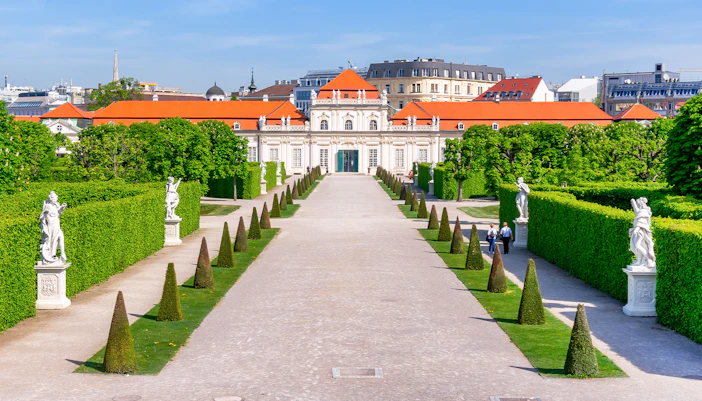
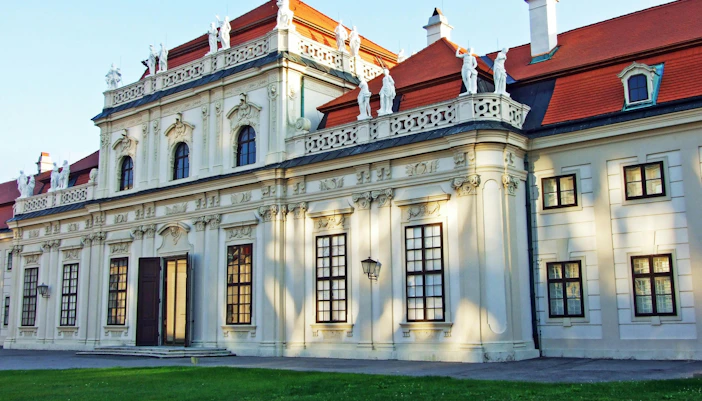
The Orangery is included with Lower Belvedere tickets and combo tickets that include Lower Belvedere. No separate ticket is needed. Located beside Lower Belvedere, it appears early in that visit and works as an optional stop within the temporary exhibition route. Book Lower Belvedere direct entry or the Upper + Lower combo if you want to include it without returning later.

How to best experience the Orangery

Best time to visit
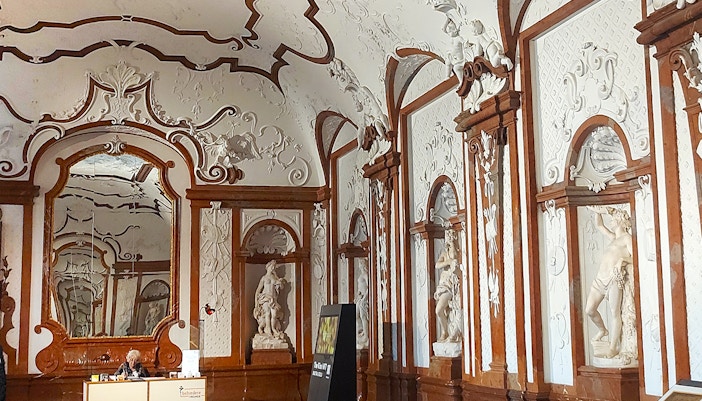
Aim for the first Lower Belvedere entry slot on a weekday or the last 90 minutes before closing. The Orangery is calmer before late-morning museum traffic builds. Go around 11am–2pm and you’ll spend more time navigating the room than reading labels.

How long to spend

Plan 20–30 minutes if you want a clean circuit of the current show. Give it 30–45 minutes if you read wall texts or pause at video pieces. Treat it as an exhibition hall, not a corridor, or the curatorial thread disappears.

Where it fits in your itinerary

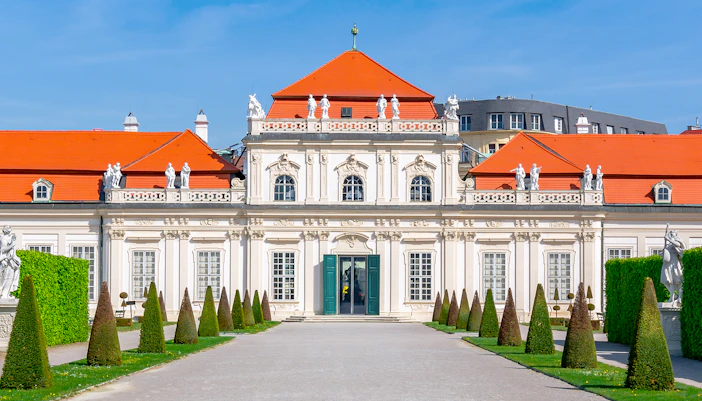
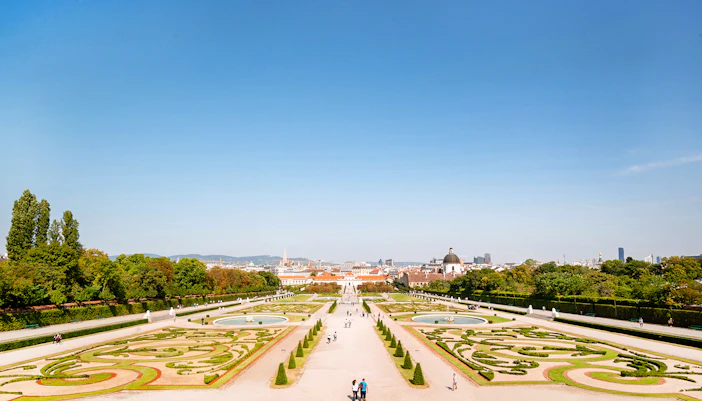
The Orangery works best as part of a Lower Belvedere visit, before or after the palace rooms. Budget 60–90 minutes for Lower Belvedere and the Orangery together, then walk the gardens to Upper Belvedere. That pacing keeps the day balanced rather than backtracked.

Crowd patterns

It’s usually quieter than Upper Belvedere, but temporary shows can bunch visitors into a single long hall. Density rises late morning, on weekends, and during special exhibitions. If you want clear sightlines across the room, avoid the middle of the day.

What to prioritize if time is short

Start with the curatorial introduction panel at the entrance, then walk the full central sightline once before doubling back to the works that hold you. If time is tight, keep the Orangery and trim garden strolling, not the exhibition itself.

Common mistakes to avoid

The biggest mistake is assuming the Orangery is just a greenhouse stop and arriving with an Upper-only ticket. The second is not checking the current exhibition beforehand. Know the show, bring the right ticket, and the visit makes much more sense.

Best tickets to experience the Orangery

Ticket typeWhy choose it

Lower Belvedere Palace Direct Entry Tickets

Best if the Orangery is your priority. You get Lower Belvedere access, including the Orangery’s current temporary exhibition areas.

Combo: Upper and Lower Belvedere Palace

Best for first-time visitors who want Klimt upstairs and the Orangery downstairs in one day.

On-site Lower Belvedere ticket

Works for spontaneous plans, but timed online booking is safer when Orangery exhibitions are busy.

Why it's worth seeing

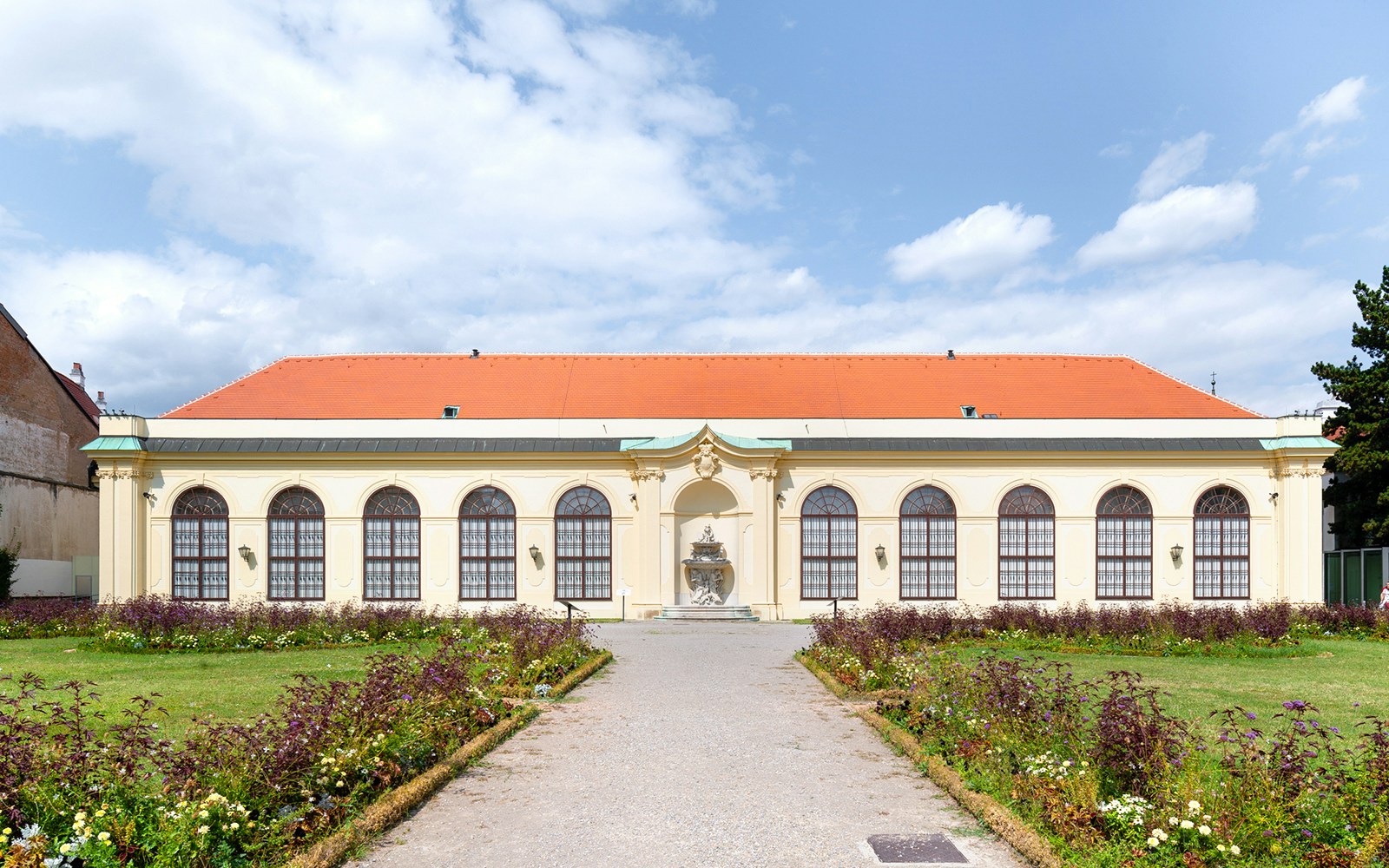
What makes the Orangery irreplaceable within the Belvedere complex is that it turns a former courtly plant house into one of the site’s main temporary exhibition spaces. Most visitors don’t realize the long, bright proportions were designed for overwintering citrus trees, which is why the room feels flatter and more linear than the palace interiors. Look for how that original architecture still controls the pace, sightlines, and scale of the shows you see today.

The long central sightline

Stand near one short end and look straight down the hall before approaching individual works. That greenhouse-length perspective is the room’s defining feature, and curators often build the exhibition narrative along it.

The window rhythm

Along the outer side, notice how repeated window bays distribute light and break the hall into viewing chapters. Even when blackout panels are used, the original cadence of the openings still shapes how the exhibition reads.

The transition from palace to exhibition hall

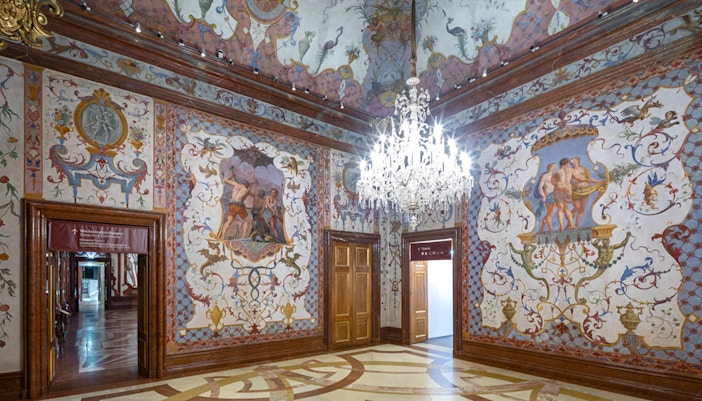
At the junction with Lower Belvedere rooms, the ceiling height, wall rhythm, and circulation suddenly loosen. That shift tells you the Orangery was built for function first, then adapted for art later.

Historical and cultural significance

The Orangery’s original job was practical: it sheltered citrus and other delicate plants that signalled status in Prince Eugene’s early-18th-century garden complex. Over 300 years later, the space serves a very different public role as a rotating exhibition hall linked to Lower Belvedere, turning a support building into part of Vienna’s museum circuit. That shift from horticultural infrastructure to cultural venue is what makes it worth noticing.
👉 Explore the full history of Belvedere Palace

Notable figures

Prince Eugene of Savoy | Commissioner

Built the Belvedere complex and court gardens that gave the Orangery its original purpose.

Know more

Johann Lucas von Hildebrandt | Architect

Designed the Baroque Belvedere ensemble that frames the Orangery beside Lower Belvedere.

Know more

Dominique Girard | Garden designer

Helped shape the formal grounds that made an Orangery essential to the complex.

Know more

Know before you go

  • Open: Orangery access generally follows Lower Belvedere exhibition hours; check the official calendar before visiting.
  • Last entry: Follows the day’s Lower Belvedere closing time.
  • Closures: Exhibition changeovers, private events, and installation periods can temporarily affect access.

Address: Lower Belvedere, Rennweg 6, 1030 Vienna

  • Nearest tram: Unteres Belvedere on line 71, about 1–2 minutes on foot.
  • Alternative stop: Schloss Belvedere on tram D, then about 8–10 minutes through the grounds.
  • Entry point: Use the Lower Belvedere entrance; the Orangery does not have a separate street entrance.
  • Position in route: It sits on the Lower Belvedere campus; allow about 5–10 minutes from entry.
  • Wheelchair access: The Lower Belvedere campus offers accessible visitor routes; confirm the Orangery exhibition path with staff on arrival.
  • Route type: It is easier to reach than the full Upper-to-Lower garden slope because it sits on the Lower campus.
  • Seating: Bench placement depends on the temporary exhibition layout.
  • Facilities: Ask the ticket desk about step-free routing, elevators, and accessible restrooms for the day’s setup.
  • Sensory note: Temporary exhibitions may use dim lighting, sound, or video installations; check current show notes before visiting.
  • Photography: Usually allowed without flash unless the current exhibition signage says otherwise.
  • Bags: Large bags and suitcases are restricted within the Belvedere museum spaces.
  • Food and drink: Not permitted in gallery areas.
  • Conduct: Follow exhibition-specific signage, especially for loan shows, multimedia works, and supervised rooms.

Frequently asked questions about the Belvedere Orangery

No. The Orangery is included with Lower Belvedere tickets and combos that include Lower Belvedere. No separate Orangery ticket exists.

More reads