Top things to do in Vienna

Quick overview
Access: Included in all Lower Belvedere tickets
Separate ticket: Not required
When you'll see it: Inside the Lower Belvedere route (cannot be visited independently)
Visit duration: 15–20 mins self-guided/25–30 mins with guide
Best time: First 60–90 minutes after opening, or the last hour of the day
Restrictions: Photography allowed. No hugging or kissing the stable cats

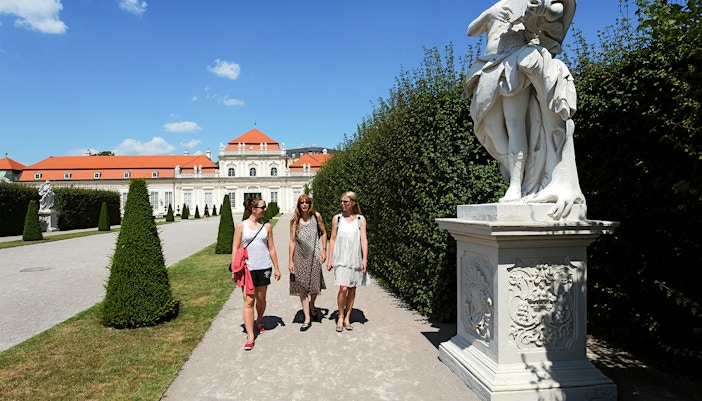
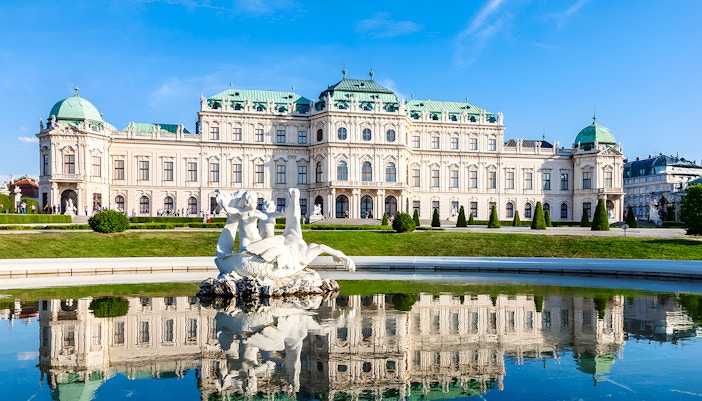
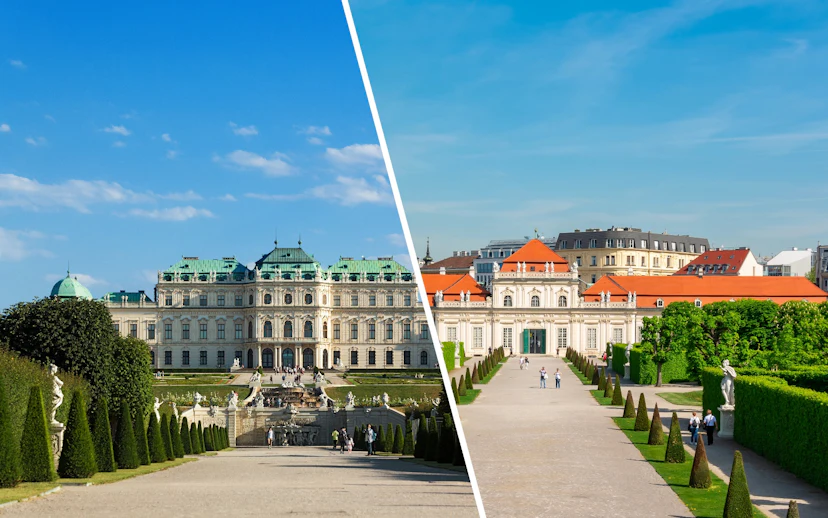
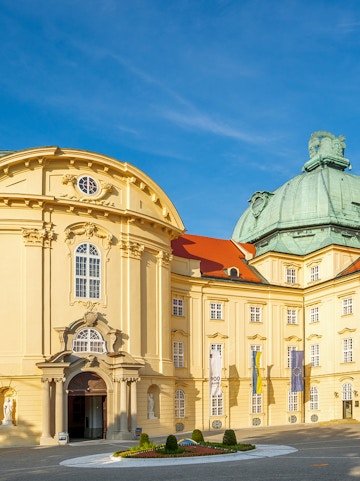
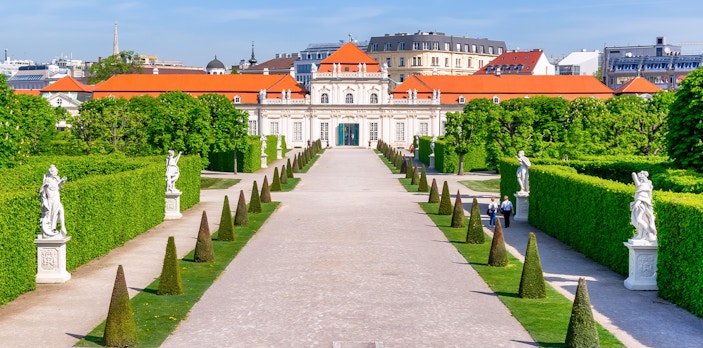
Lower Belvedere palace gardens with statues and hedges in Vienna.

The Prunkstall is included with all Lower Belvedere tickets. No separate ticket is needed. It sits within the Lower Belvedere route in the former palace stables, so you’ll see it after entering the museum rather than through a separate entrance, and you can’t visit it independently. Book Lower Belvedere entry in advance, or choose a Belvedere combo if you also want Upper Belvedere the same day.

How to best experience the Prunkstall

Best time to visit
Go in the first 60–90 minutes after Lower Belvedere opens, or during the last hour of the day. The room reads better when sightlines stay open and labels are easy to reach. Avoid late morning if you want space to pause.

How long to spend

Self-guided: allow 15–20 minutes. If you read the exhibition panels closely or see it as part of a guided route, allow 25–30 minutes. Rushing through turns it into a passage, not a room with its own story.

Where it fits in your itinerary

If the Prunkstall matters to you, build your day around Lower Belvedere first. Many visitors spend their energy at Upper Belvedere and reach this part later with museum fatigue. Put it earlier in the day if you want to notice the architecture.

Crowd patterns

Crowds usually build from late morning through early afternoon, especially when combo-ticket visitors move across the Belvedere complex. At busier times, the long hall feels more like a thoroughfare than a gallery. Quieter hours make the room’s proportions easier to read.

What to prioritize if time is short

First, stand back and look down the full length of the hall. Then check the side bays and the exhibition’s opening panel, because that explains how the former stable is being used today. If time is tight, prioritize the room itself over every label.

Common mistakes to avoid

Most visitors treat the Prunkstall as overflow exhibition space and never read it as a former ceremonial stable. Slow down before the first display case, look at the rhythm of the walls, and don’t save it for the end.

Best tickets to experience the Prunkstall

Ticket typeWhy choose it

Direct entry

Best if the Prunkstall is your main Lower Belvedere priority and you want a short, focused visit.

Belvedere combo

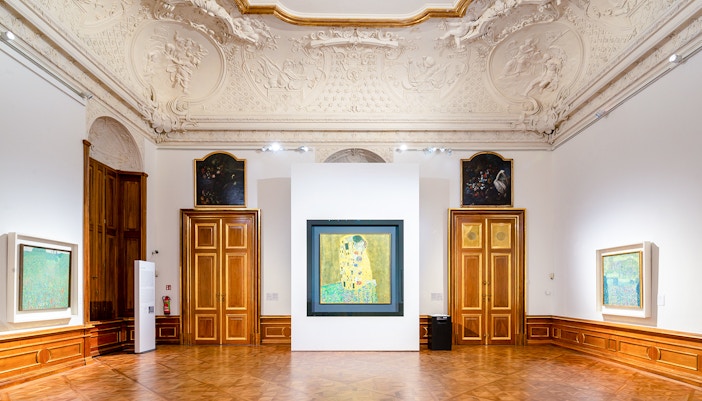
Best if you want the Prunkstall plus Upper Belvedere’s Klimt rooms in one museum day.

City pass with Belvedere access

Best if this is one stop in a wider Vienna itinerary and you value sightseeing flexibility.

Why it’s worth seeing

What makes the Prunkstall different from the palace rooms around it is that it was built for ceremonial horses, not court receptions. That origin still shapes the space: longer, more repetitive, and more functional than the gilded halls visitors remember first. If you look past the exhibition build, you can still read the building’s original rhythm. Start by noticing how movement through the room was designed.

The central aisle

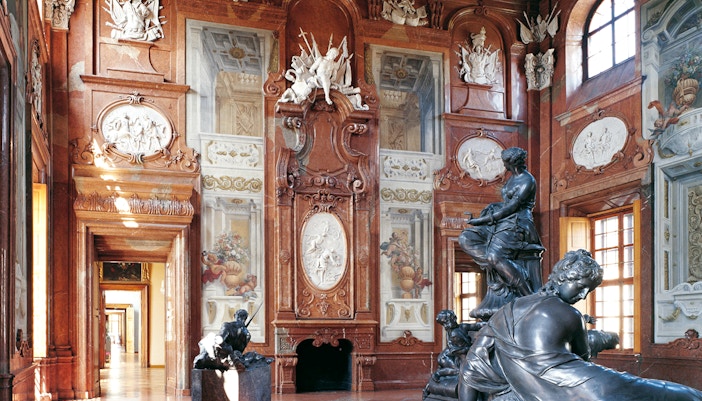
Stand near the entrance and look straight through the middle of the room. That long, uninterrupted axis is not accidental; it comes from the Prunkstall’s original ceremonial stable function, where movement and display mattered as much as shelter.

The side bays

Look along the left and right walls for the repeating bays that once organized the room. Even when temporary exhibition panels interrupt them, the rhythm is still visible, and it tells you this was a working court space rather than a reception hall.

The Baroque shell and modern display

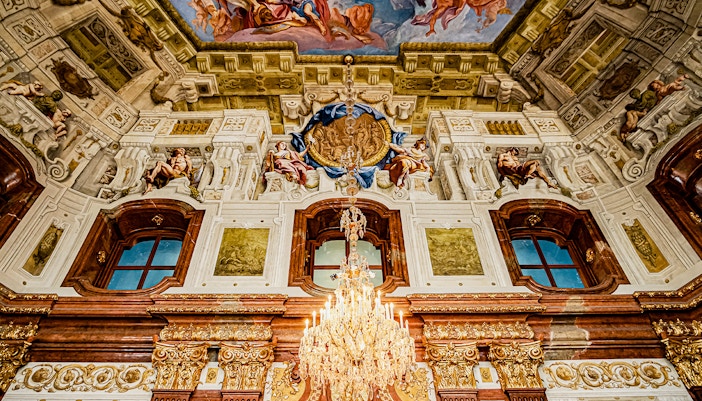
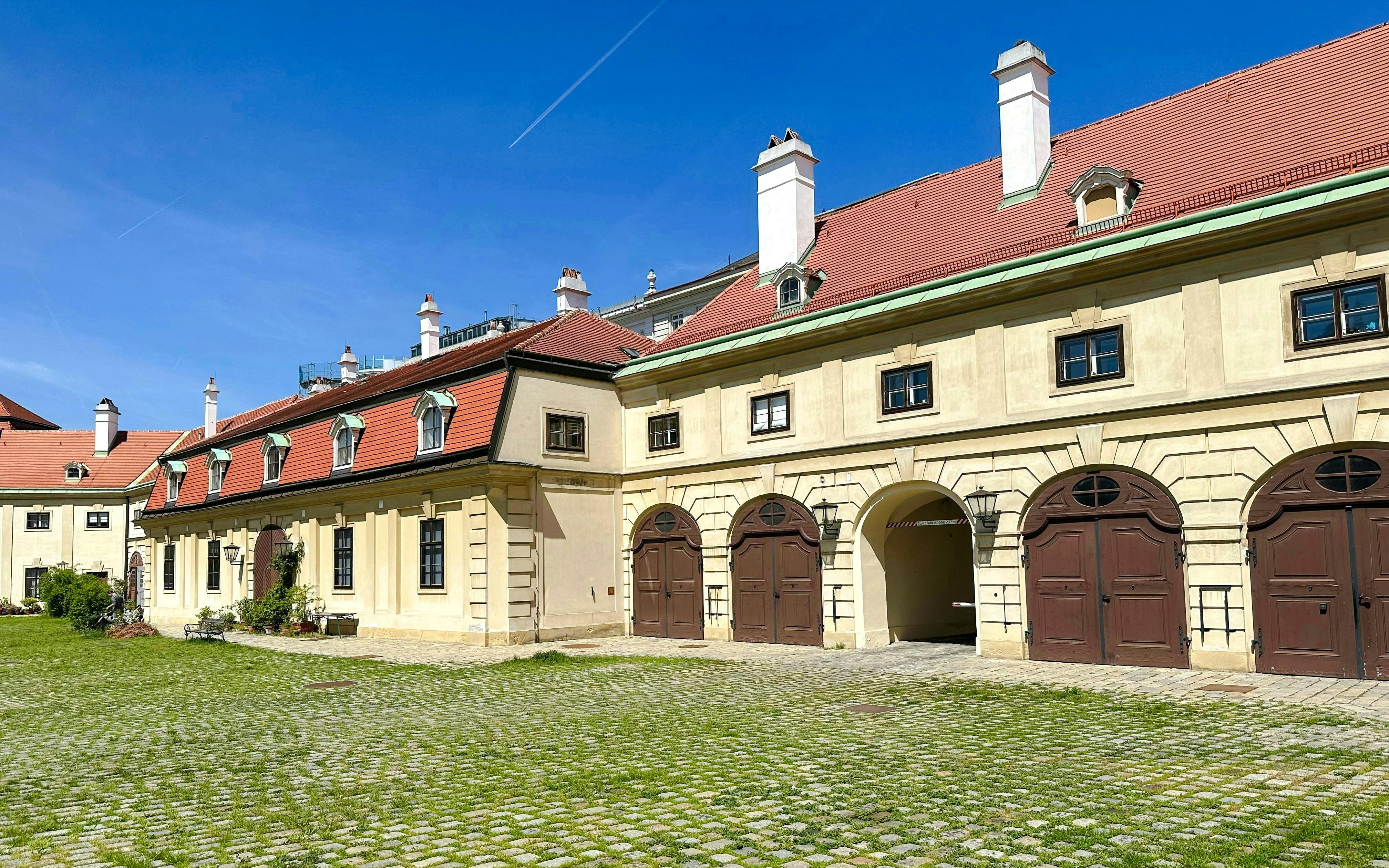
Notice how curators place temporary display structures inside a historic envelope. That contrast sharpens your view of the room’s proportions and helps you understand how an 18th-century service building now works as museum space.

Historical and cultural significance

For more than 300 years, the Prunkstall has reflected the Belvedere’s shift from princely residence to public museum. Built as a ceremonial stable within Prince Eugene’s Lower Belvedere estate, it once served the logistics and display culture of an 18th-century court. Today, it hosts exhibitions, so visitors enter a historic shell that has been repurposed for art rather than horses.

👉 Explore the full history of Belvedere Palace

Notable figures

Prince Eugene of Savoy | Patron

Commissioned the Lower Belvedere estate, including the ceremonial stable buildings behind today’s Prunkstall.

Know more

Johann Lucas von Hildebrandt | Architect

Designed the Belvedere complex and gave service buildings the same disciplined Baroque order as the palaces.

Know more

Carlo Carlone | Painter and decorator

Helped shape the Lower Belvedere’s Baroque visual language, which frames how visitors read the Prunkstall today.

Know more

Know before you go

  • Open: The Prunkstall follows Lower Belvedere opening hours, which are usually daily from 10am to 6pm.
  • Entry system: There is no separate Prunkstall ticket or separate entrance time.
  • Last practical entry: Aim to enter Lower Belvedere by 5pm if you want time to see this space properly.
  • Changes: Hours can shift for exhibition changeovers, holidays, or special events.

Address: Lower Belvedere, Rennweg 6, 1030 Vienna

  • Nearest tram: Unteres Belvedere on tram 71; Schloss Belvedere on tram D is also walkable.
  • Nearest station: Rennweg station is about a 10-minute walk away.
  • Entry point: Enter through Lower Belvedere and follow the exhibition routing toward the former palace stables.
  • Route note: Direct street access to the Prunkstall is not available as a standalone visit.
  • Wheelchair access: Belvedere sites generally provide accessible entry, but the exact route can vary by current exhibition layout.
  • Step-free help: Ask staff at the Lower Belvedere entrance for the easiest accessible route on arrival.
  • Floor surface: Interior museum flooring is generally easy to navigate; outdoor approach paths can be uneven.
  • Seating: Seating depends on the current exhibition installation and is not guaranteed in every section.
  • Physical effort: A standard visit does not usually involve major climbing or strenuous walking.
  • Photography: Usually allowed without flash, unless the current exhibition says otherwise.
  • Bags: Large bags and luggage may need to be checked before entry.
  • Food and drink: Not allowed in exhibition areas.
  • Touching: Do not touch installations, walls, or display cases.
  • Ticket checks: Keep your Lower Belvedere ticket accessible during the visit.

Frequently asked questions about the Prunkstall

Yes. Entry to the Prunkstall is included with every valid Lower Belvedere ticket. No separate ticket exists.

More reads