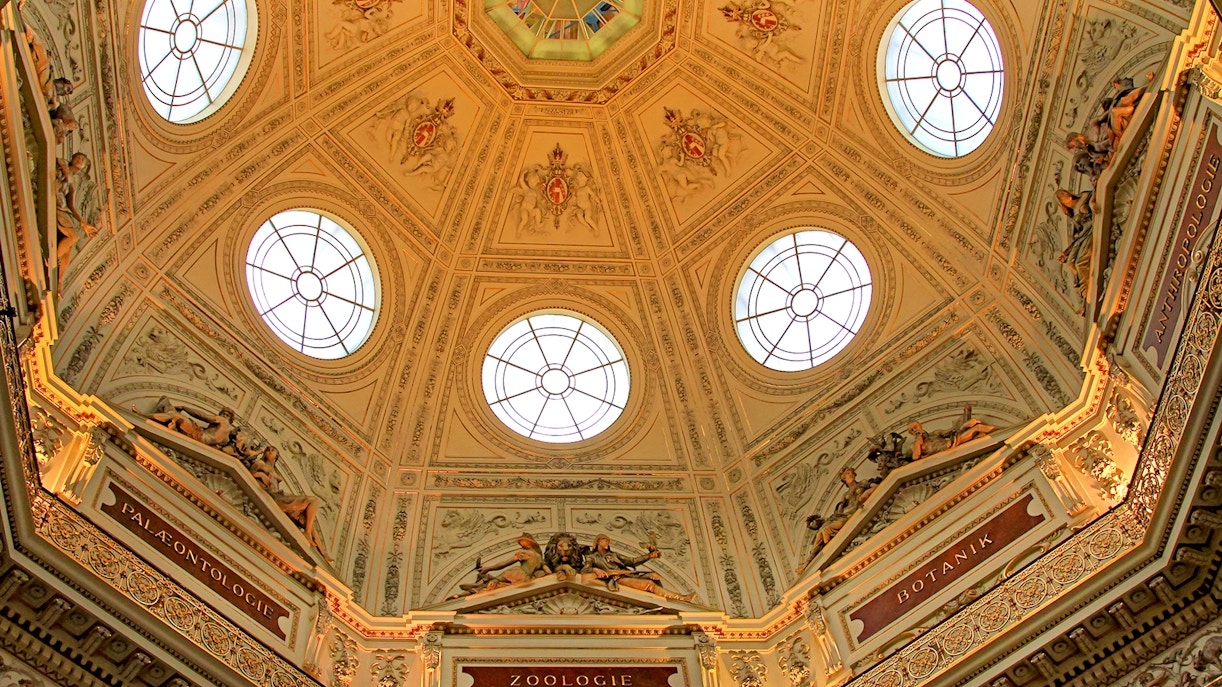
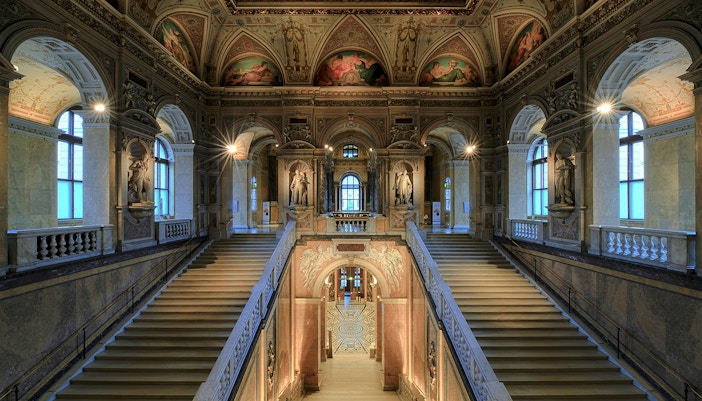
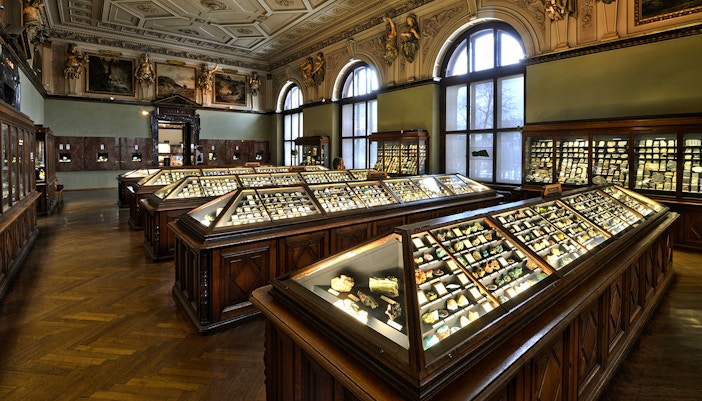
Marvel at the opulent Gemstone Bouquet crafted from thousands of gems, plus glittering displays of rare quartz, emeralds, and sapphires, including an enormous Florentine Diamond replica.
Quick Information
ADDRESS
Burgring 7, 1010 Wien, Austria
RECOMMENDED DURATION
2 hours
Timings
09:00–18:00
VISITORS PER YEAR
971000
TICKETS
From $20.29
NUMBER OF ENTRANCES
2
EXPECTED WAIT TIME - STANDARD
0-30 mins (Peak), 0-30 mins (Off Peak)
UNESCO YEAR
2001
Did you know?
Home to over 30 million species: The museum boasts one of the largest collections of natural history in the world, spanning everything from dinosaurs and minerals to meteoritic specimens that are billions of years old.
The oldest known prehistoric sculpture: The Venus of Willendorf, a 29,500-year-old figurine, is one of the world’s most important archaeological finds and a standout in the museum’s extensive collection of prehistoric artifacts.
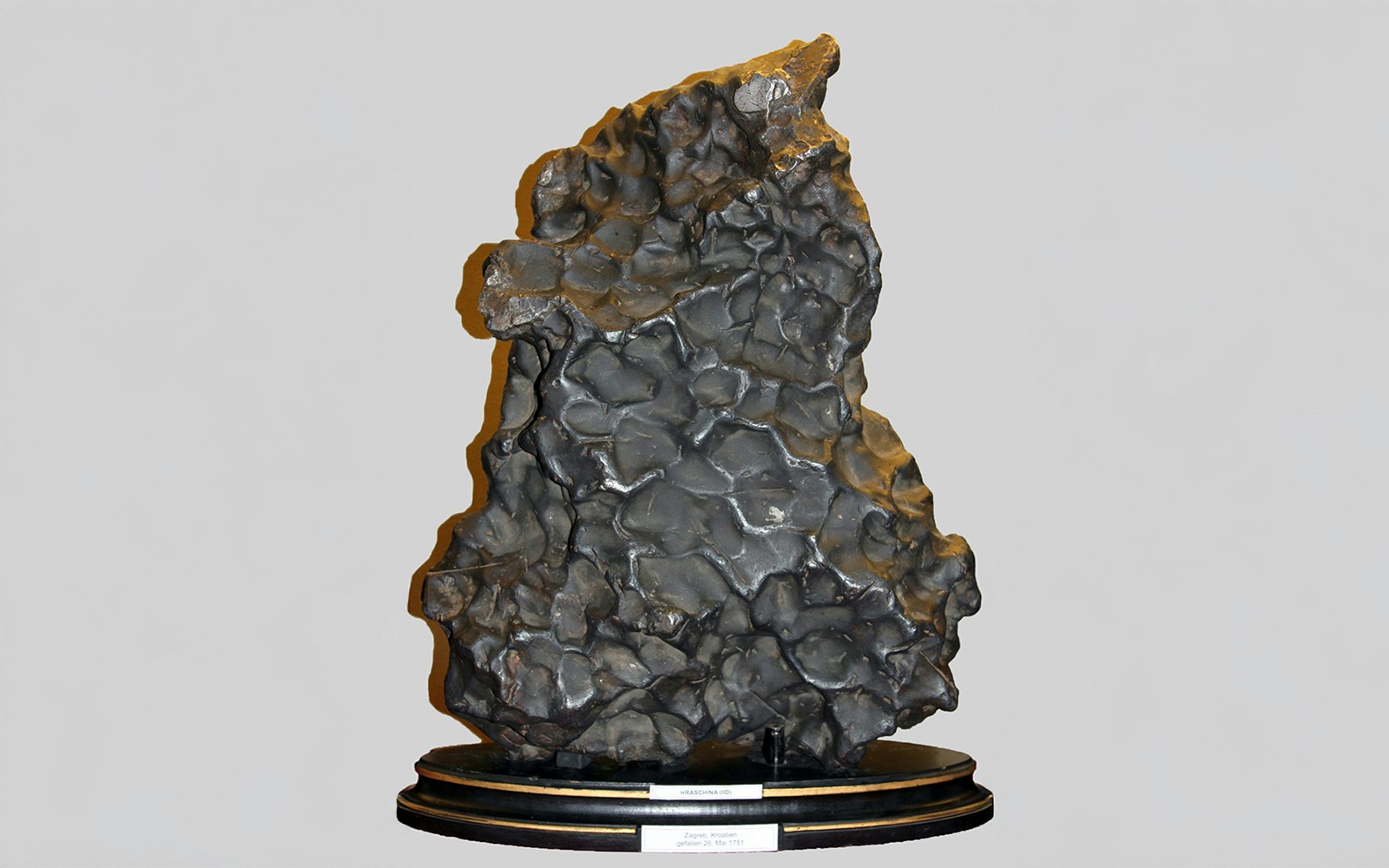
A meteorite collection like no other: The museum houses the world’s largest public meteorite display, featuring over 1,100 specimens, including the famous Hraschina meteorite, which played a key role in proving that meteorites come from space.
From dinosaurs to meteorites | Your guide to the Natural History Museum’s galleries
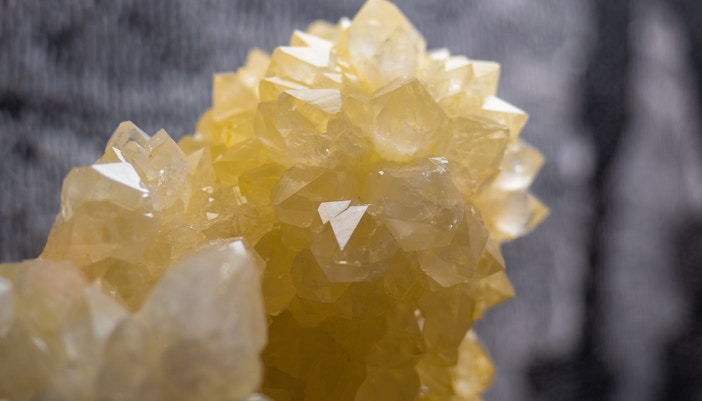
Gemstone and Mineral collection (Halls 1 to 4)
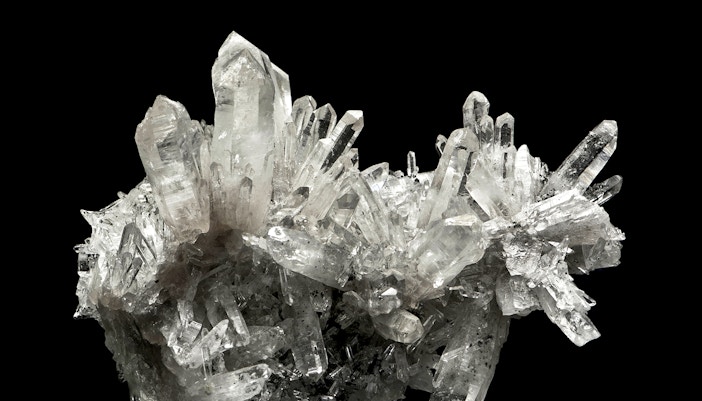
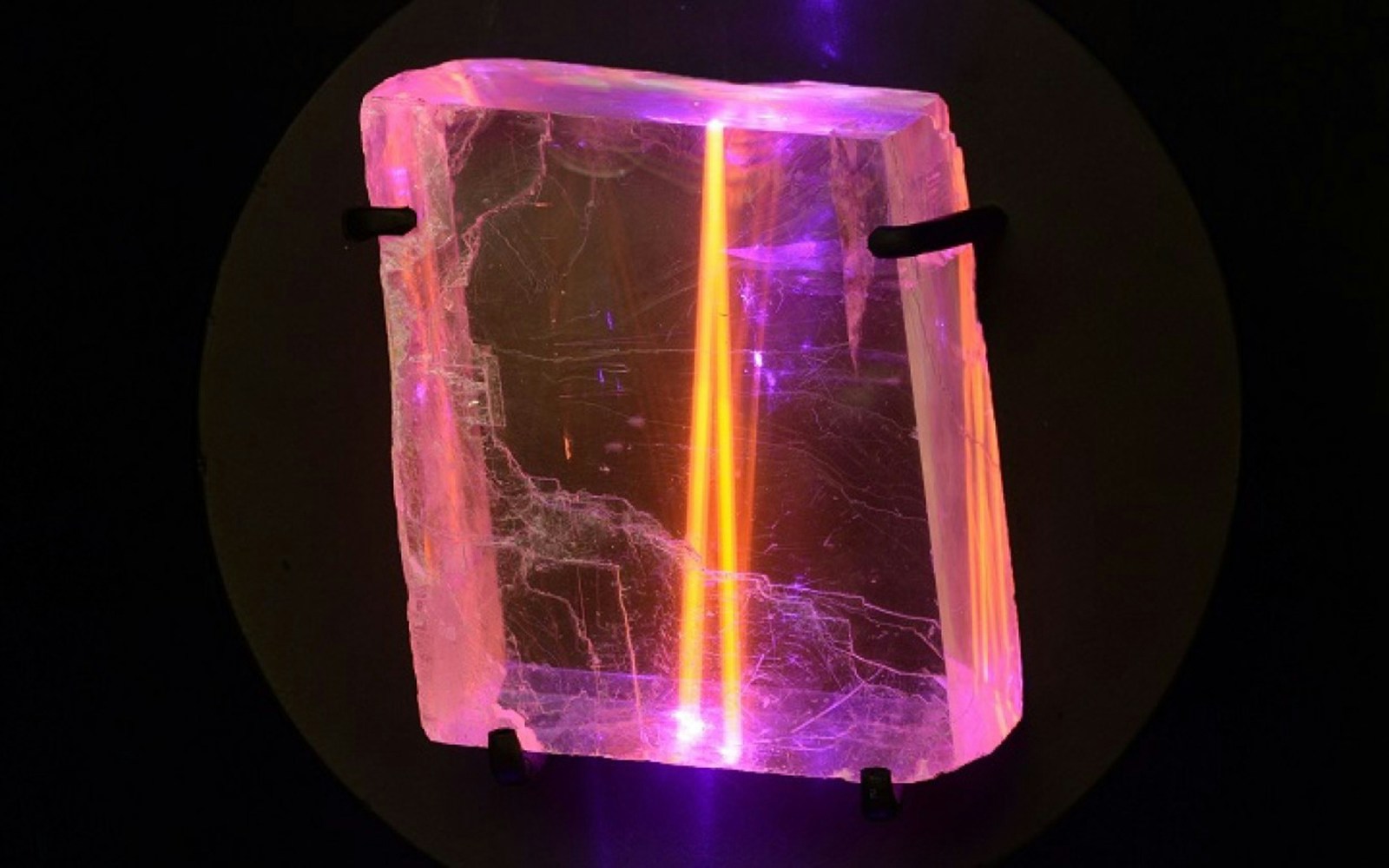
Mineralogy and Crystals (Hall 2)
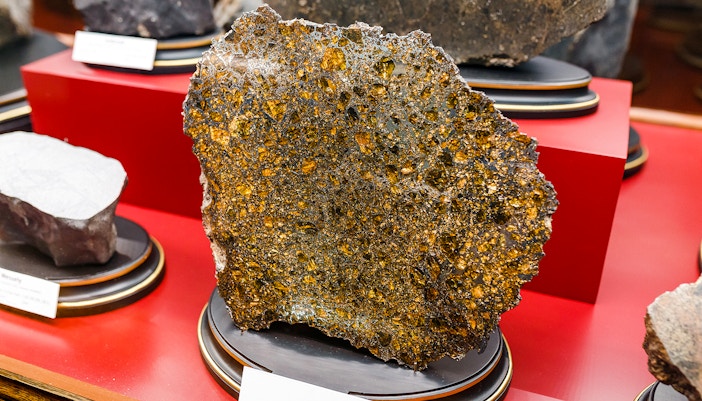
Meteorite collection (Hall 5)
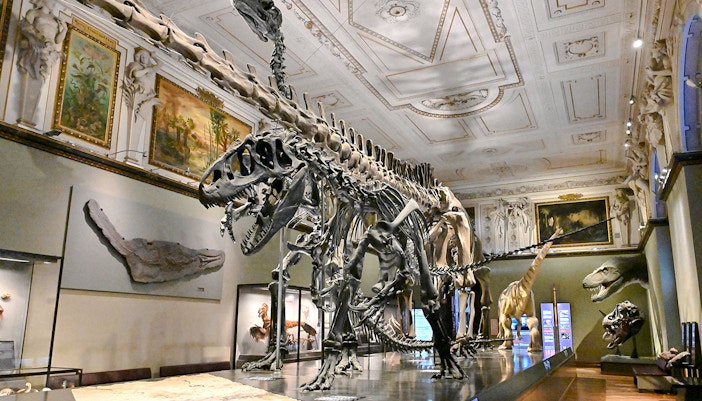
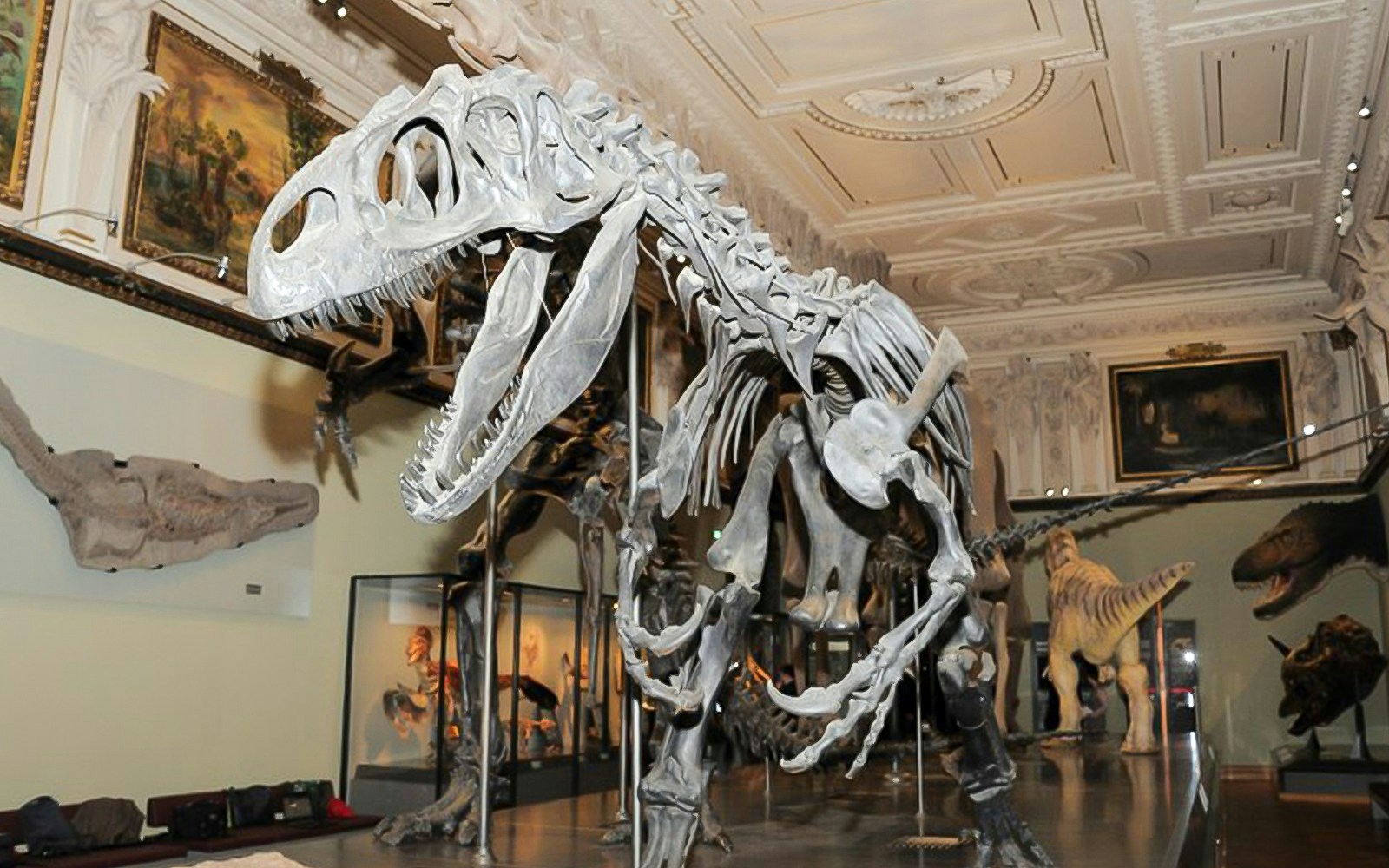
Dinosaur Hall (Hall 10)
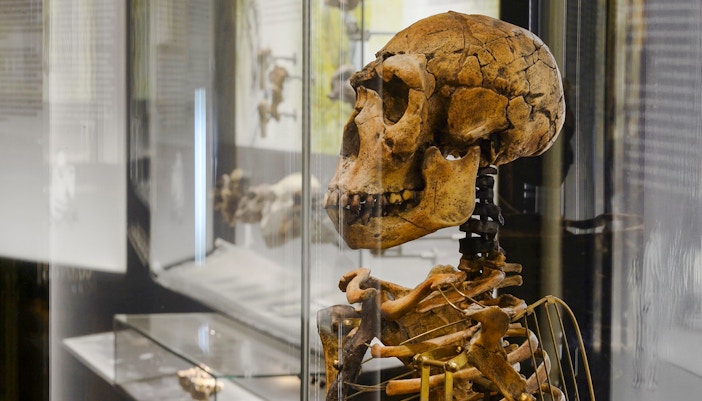
Human Origins and Prehistory (Halls 11 to 13)
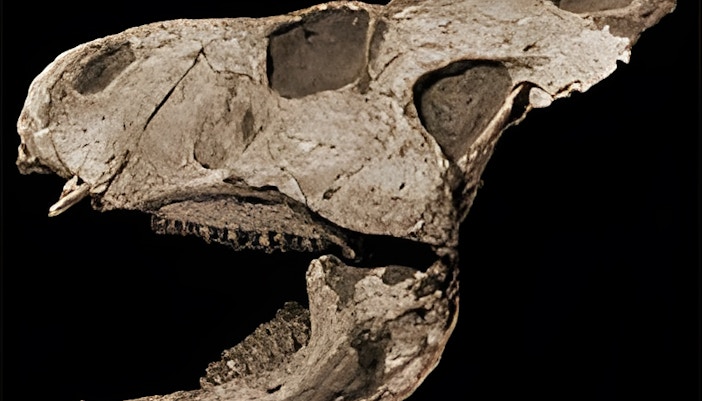
Fossil Hall (Hall 15)
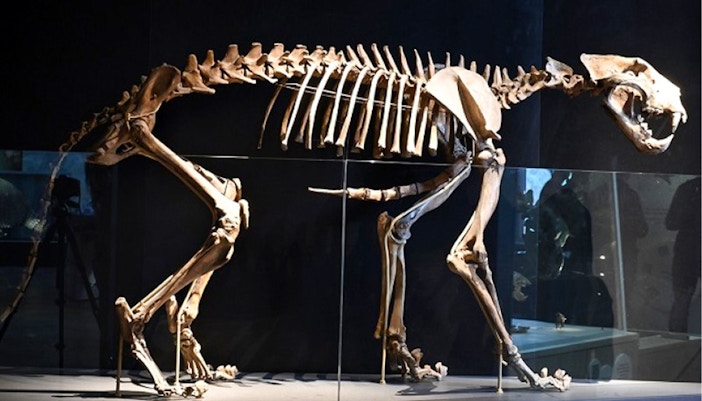
The Ice Age (Hall 16)
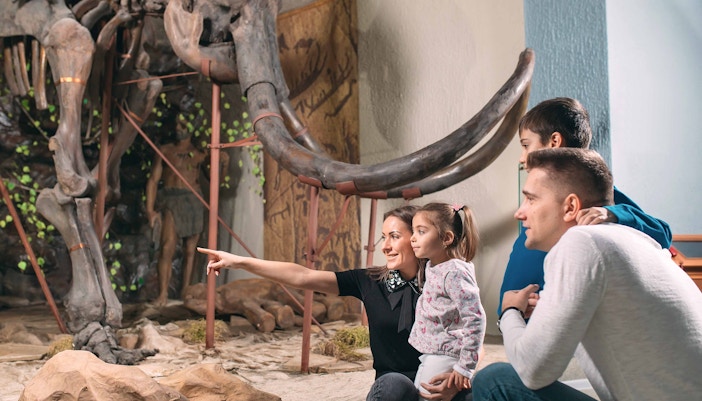
The World of Mammals (Hall 23)
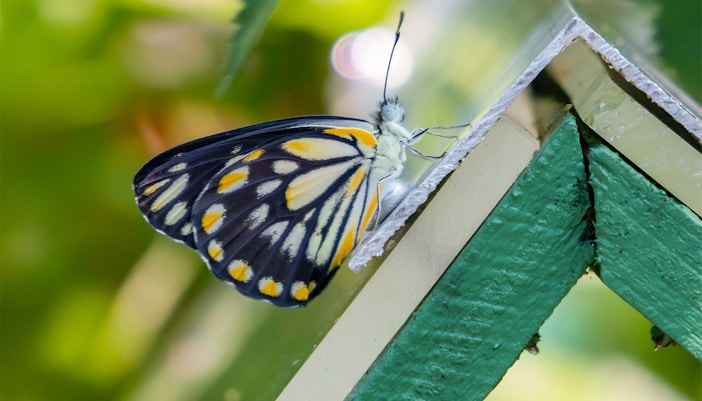
Insects and Arthropods (Hall 24)
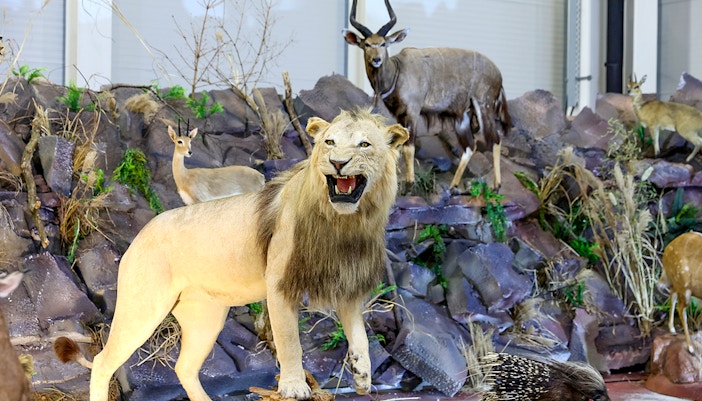
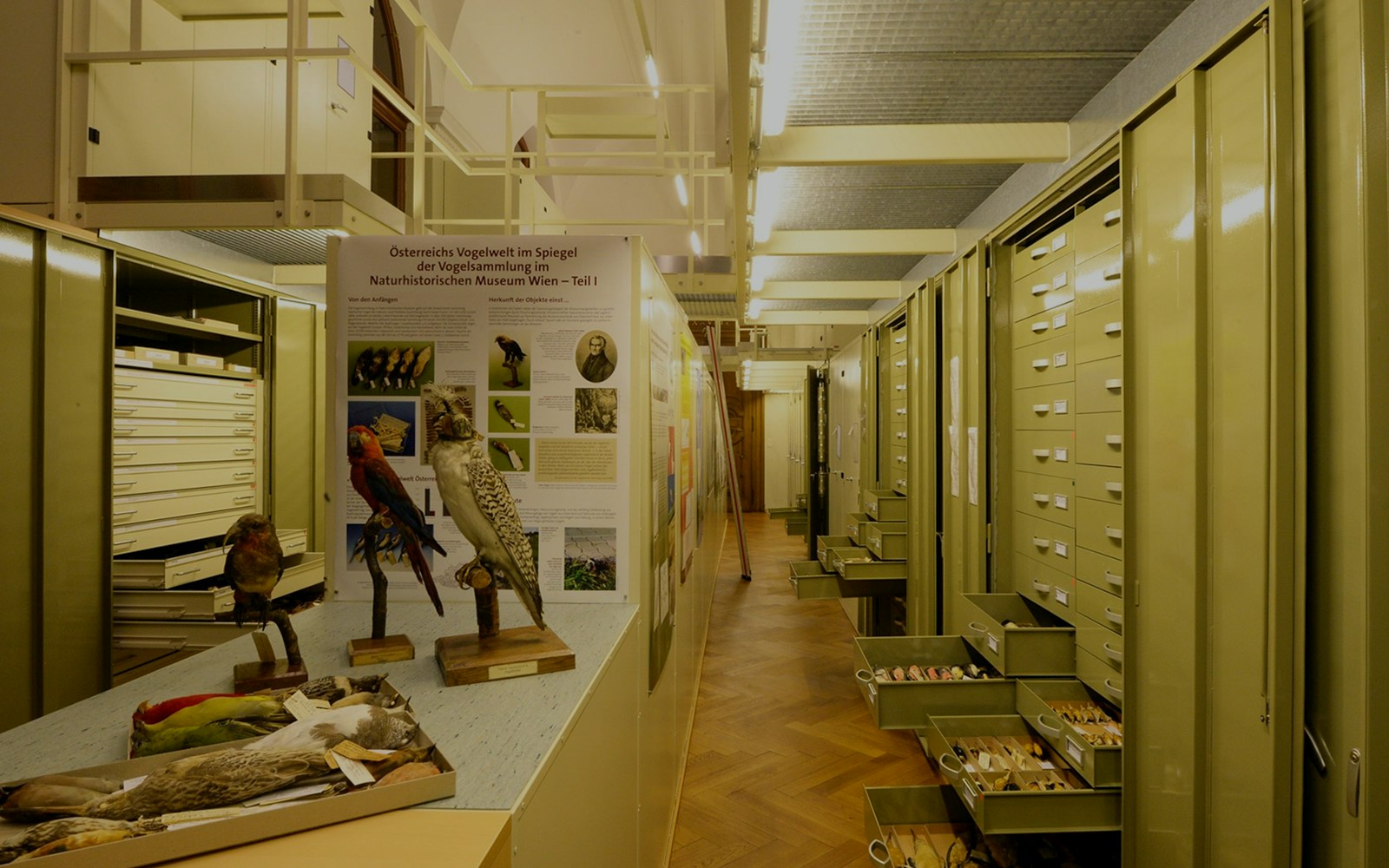
Zoology and Taxidermy (Halls 25 to 39)
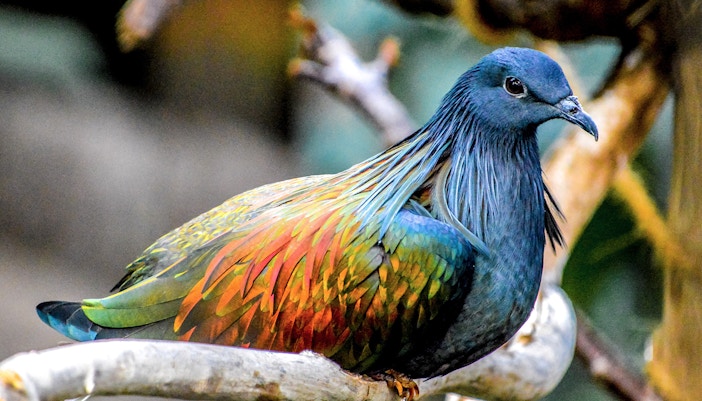
Birds of the World (Halls 27 to 29)
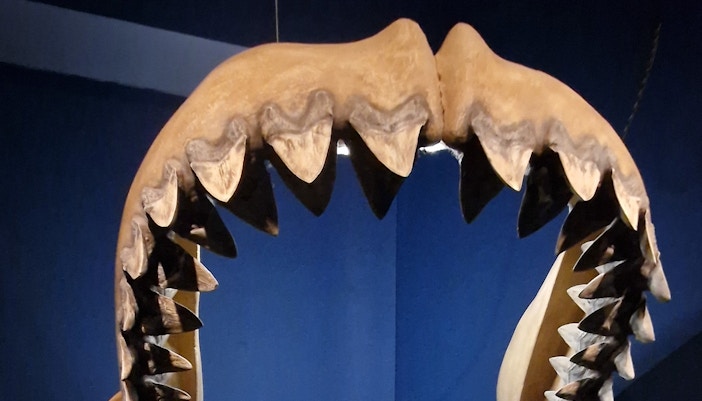
Fish and Aquatic Life (Hall 30)
Must-see exhibits
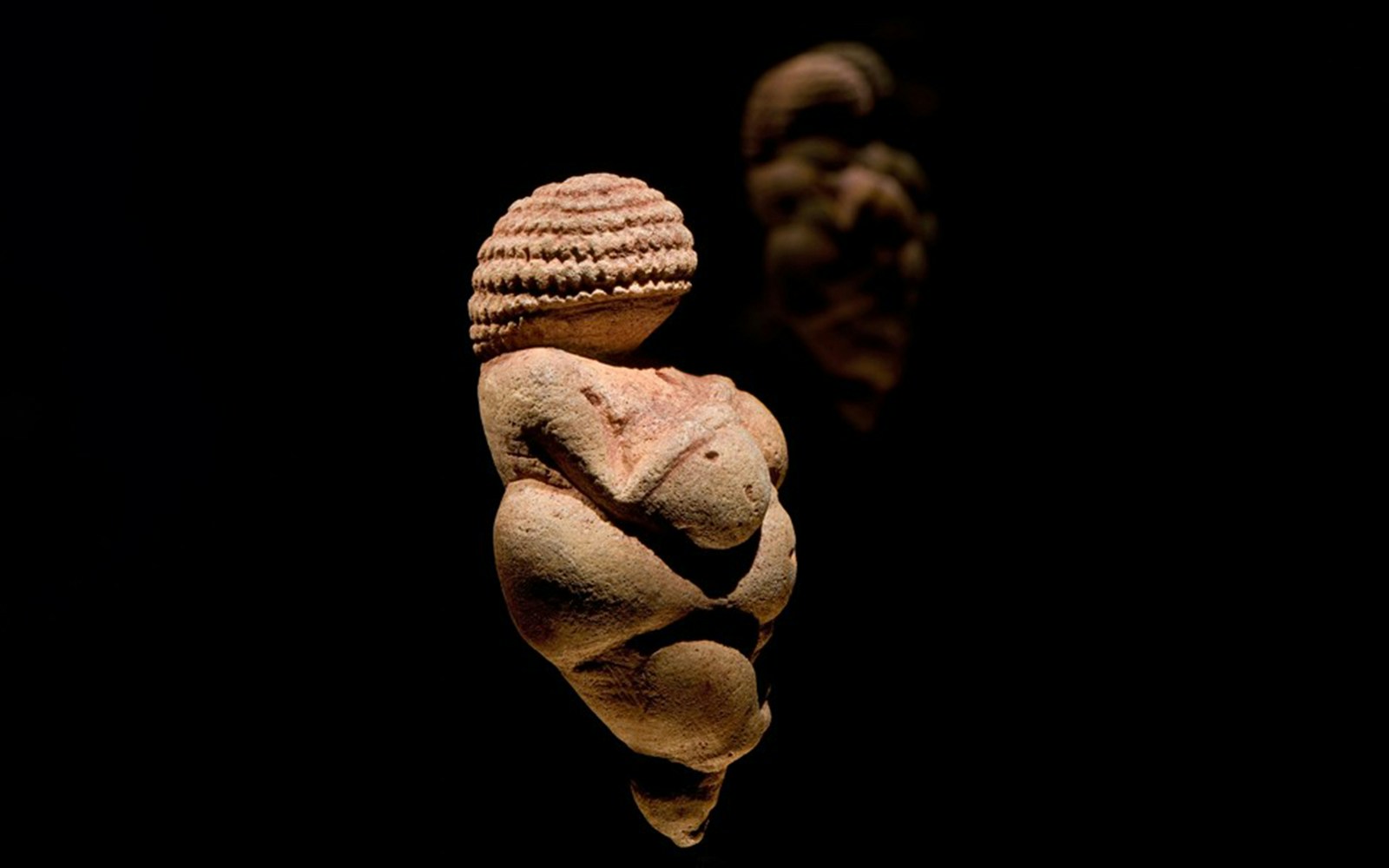
Venus of Willendorf
A glimpse into the past
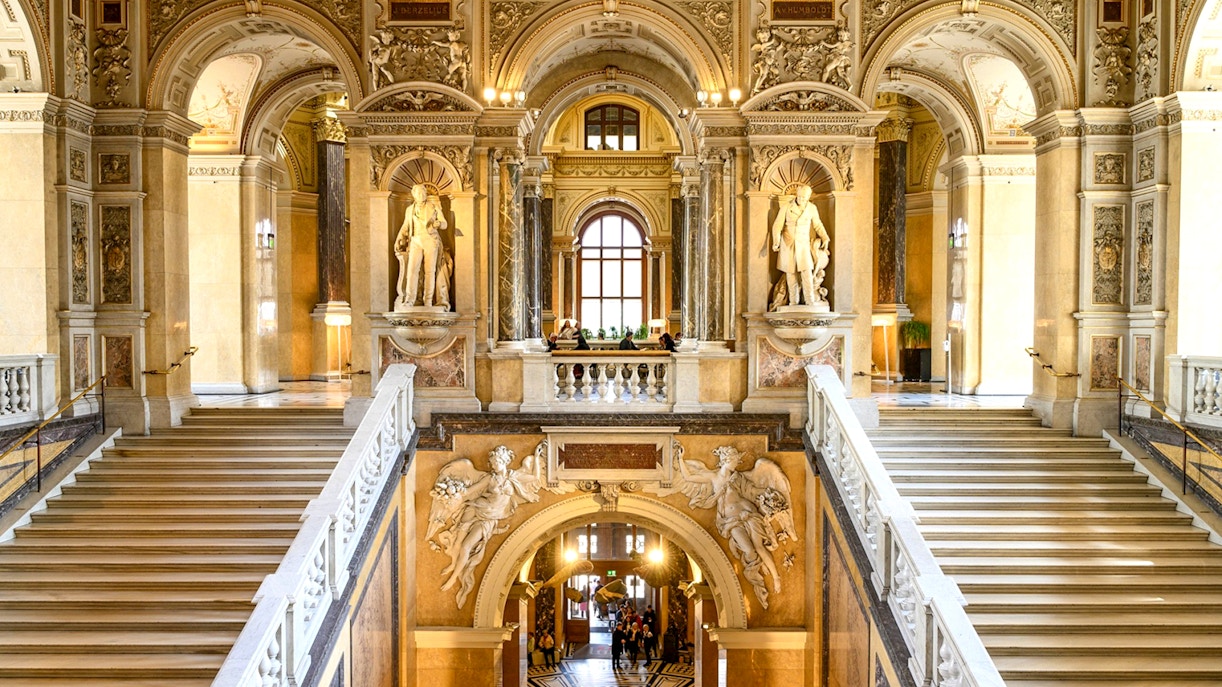
A masterpiece of Neo-Renaissance architecture