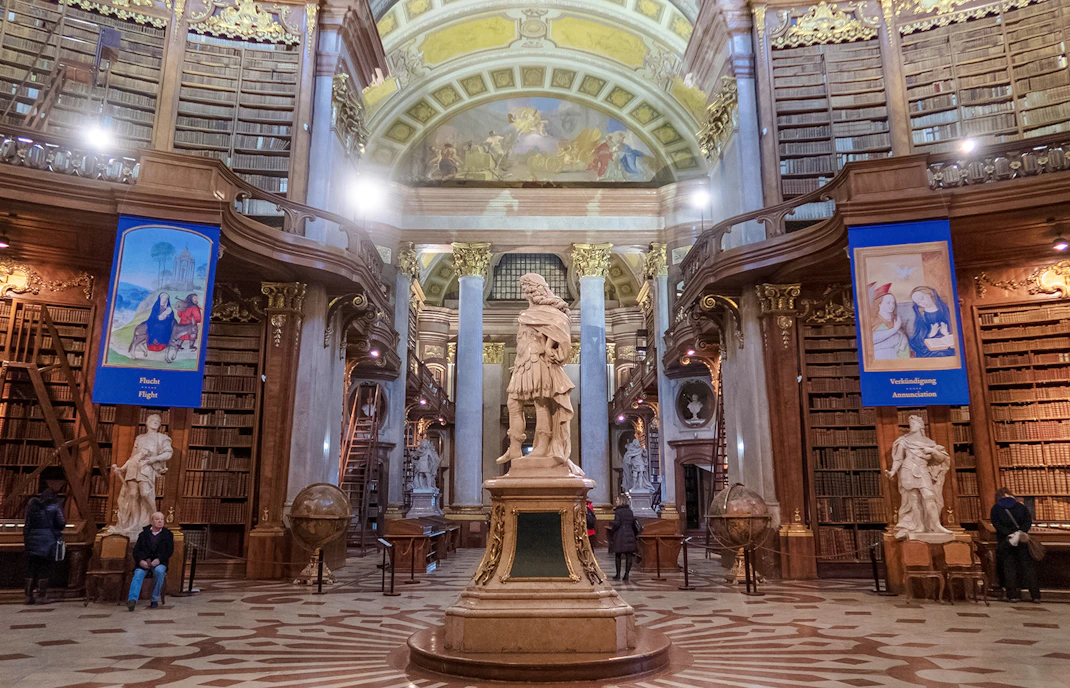
The first hour on a weekday works best. This is a compact museum, so even a small group arrival changes how easily you can step back from the largest globes. If you want time with labels, avoid weekend mid-afternoons.
Quick overview
- Access: Included in all Austrian National Library tickets
- Separate ticket: Not required
- When you'll see it: Midway, if you're planning a library-focused multi-site visit
- Visit duration: 30–45 minutes self-guided / 45–60 minutes with a guide
- Best time: First hour on a weekday; the compact rooms are calmer and easier to read
- Restrictions: Follow in-gallery signage for photography; flash, tripods, and large bags may be restricted
How to access the Globe Museum Vienna
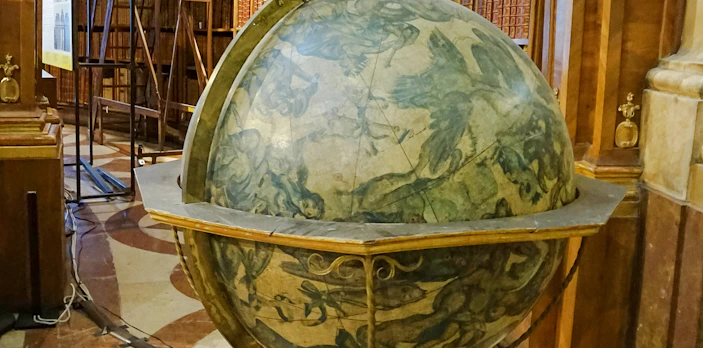
Globe Museum Vienna is included with all Austrian National Library tickets. No separate ticket is needed. It stands out because it turns cartography and astronomy into objects you can study at close range, from terrestrial globes to celestial models. Within the Austrian National Library network, it works best as a dedicated stop at Palais Mollard on Herrengasse, often paired with the State Hall or Esperantomuseum rather than reached through a fixed gallery route. Choose a ticket that gives you enough time for both the State Hall and the Globe Museum, because this is one of the few museum stops in Vienna where 30 quiet minutes changes the visit completely.
How to best experience Globe Museum Vienna
Best time to visit
How long to spend
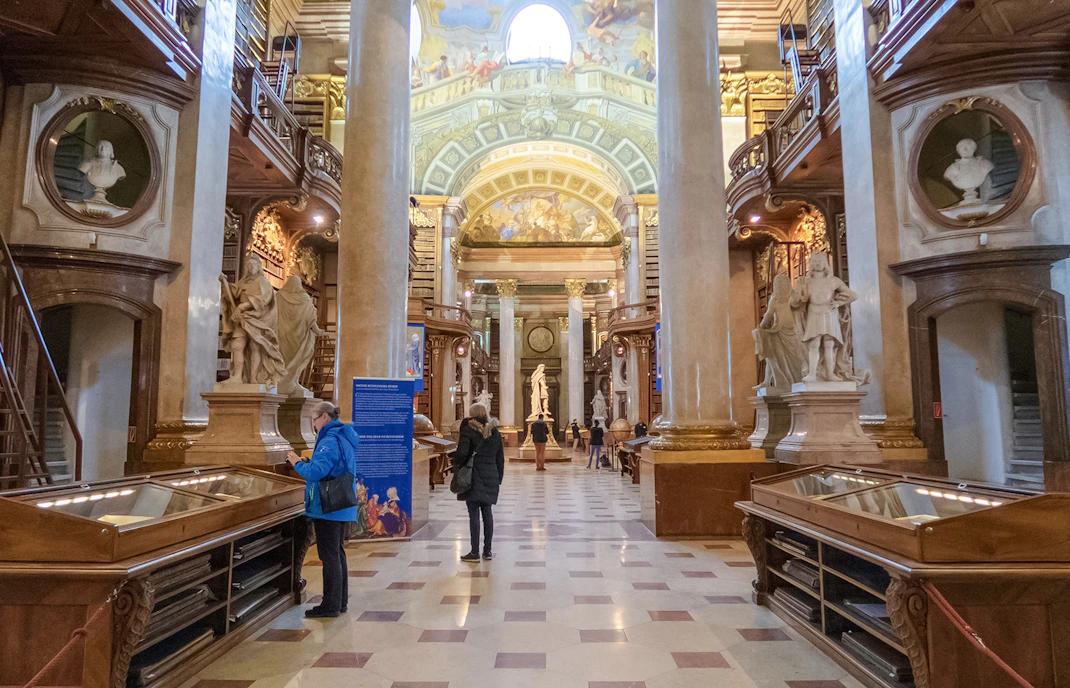
Allow 30–45 minutes self-guided, or up to 60 minutes if you read the labels closely. The collection is compact, but the objects reward comparison. If you rush, the globes blur into display pieces instead of scientific tools.
Where it fits in your itinerary
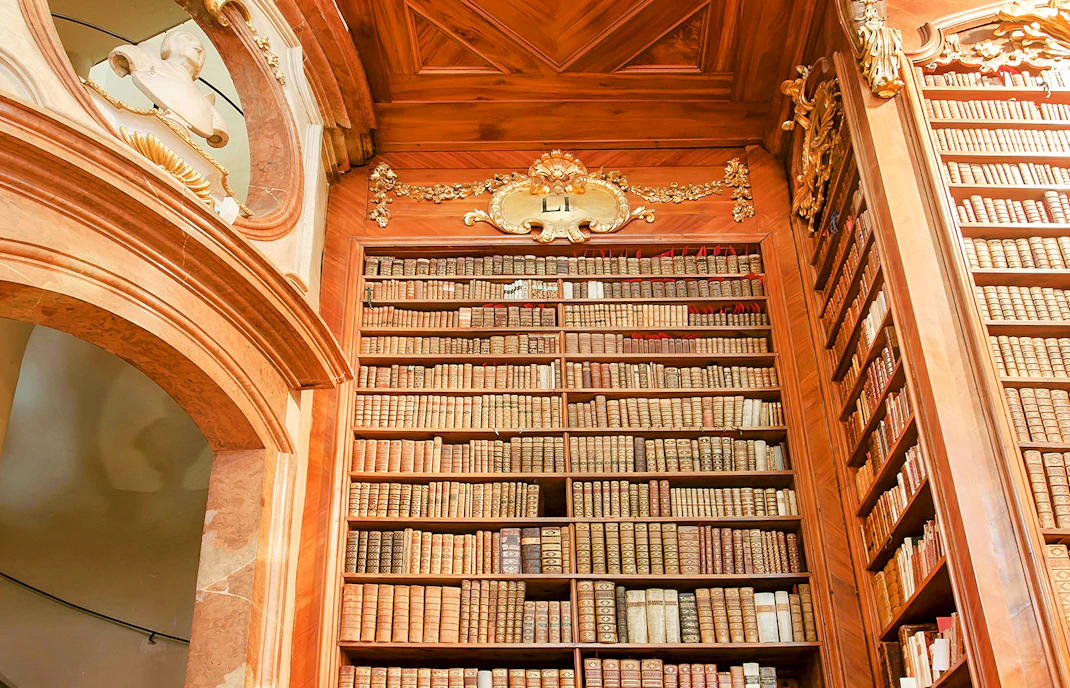
Treat it as a focused stop within a 2–3 hour Austrian National Library plan. Pair it with the State Hall or Esperantomuseum, then break nearby in the Innere Stadt. Don’t schedule it as a filler between rushed city-center sights.
Crowd patterns
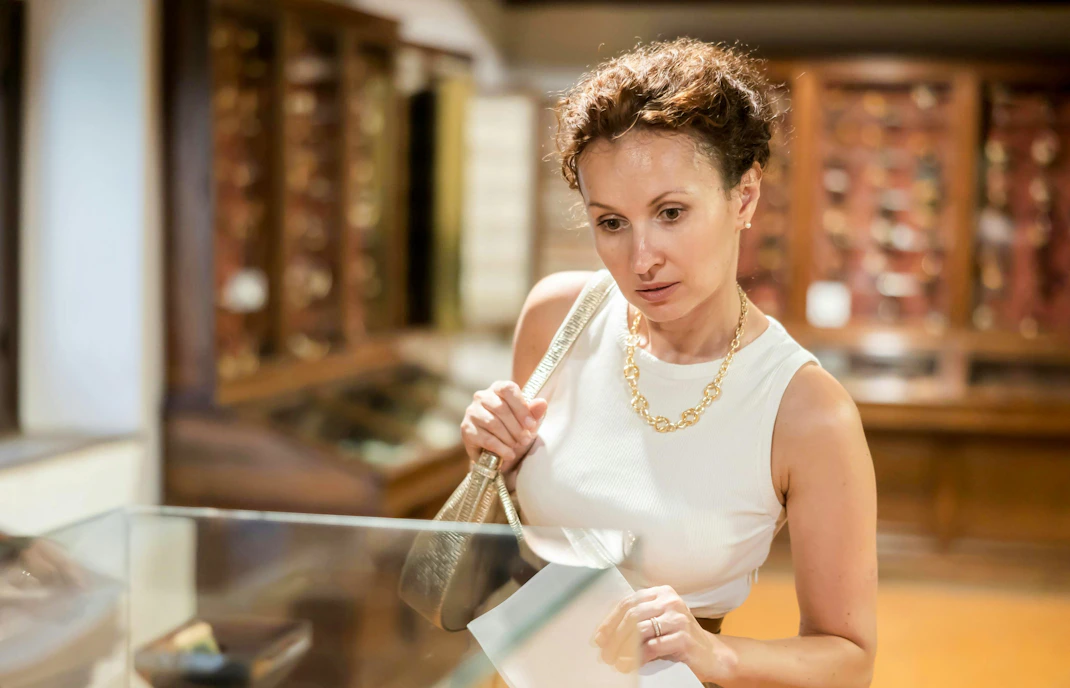
Crowding here is more about room size than lines outside. Once a school group or guided party enters, sightlines tighten around the largest cases. Off-peak visits let you circle the objects properly, so don’t assume a quiet museum always feels spacious.
What to prioritize if time is short
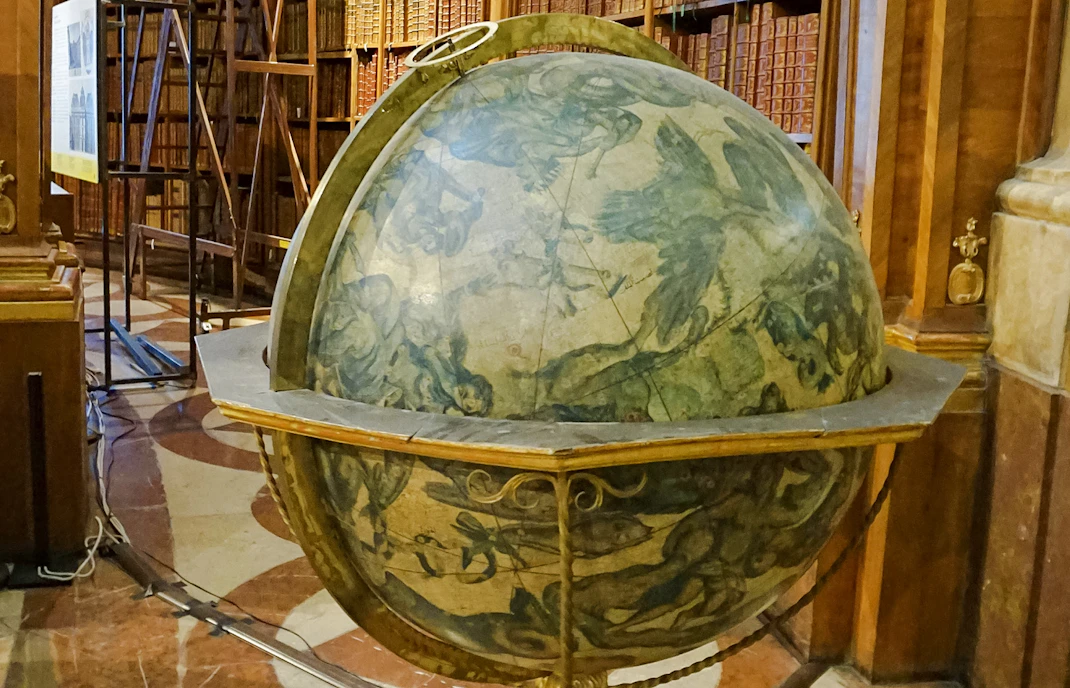
Start with the terrestrial globes, then move to the celestial globes, and finish with the armillary spheres. That sequence makes the collection easier to read. If you only have 15 minutes, skip deep label-reading, not the instrument displays.
Common mistakes to avoid
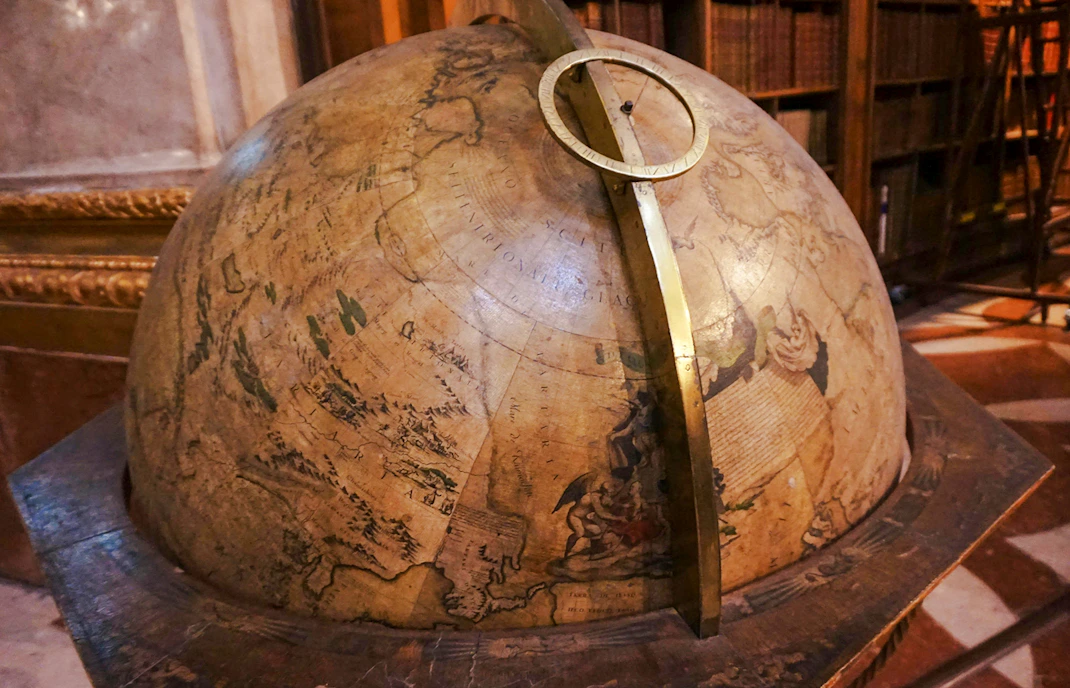
Most visitors do one quick lap and leave without comparing Earth and sky globes side by side. Also, don’t save this stop for the end of an overloaded day. Your attention matters more here than raw minutes.
Best tickets to experience Globe Museum Vienna
| Ticket type | Why choose it |
|---|---|
Standard library admission | Best for a short, focused Globe Museum visit with one other Austrian National Library highlight. |
Combined library visit | Better if you also want the State Hall or another library museum the same day. |
Guided tour | Best if you want context on cartography, astronomy, and how the collection developed. |
Why it’s worth seeing
Most visitors expect decorative antiques and leave surprised by how practical these objects once were. The Globe Museum is unusual because it shows how people pictured both Earth and the sky before modern maps, satellite images, and digital astronomy apps existed. It’s also widely regarded as the world’s only public museum devoted to globes. Use your time here to focus on three things: how borders changed, how the heavens were visualized, and how instruments turned ideas into working models.
Terrestrial globes
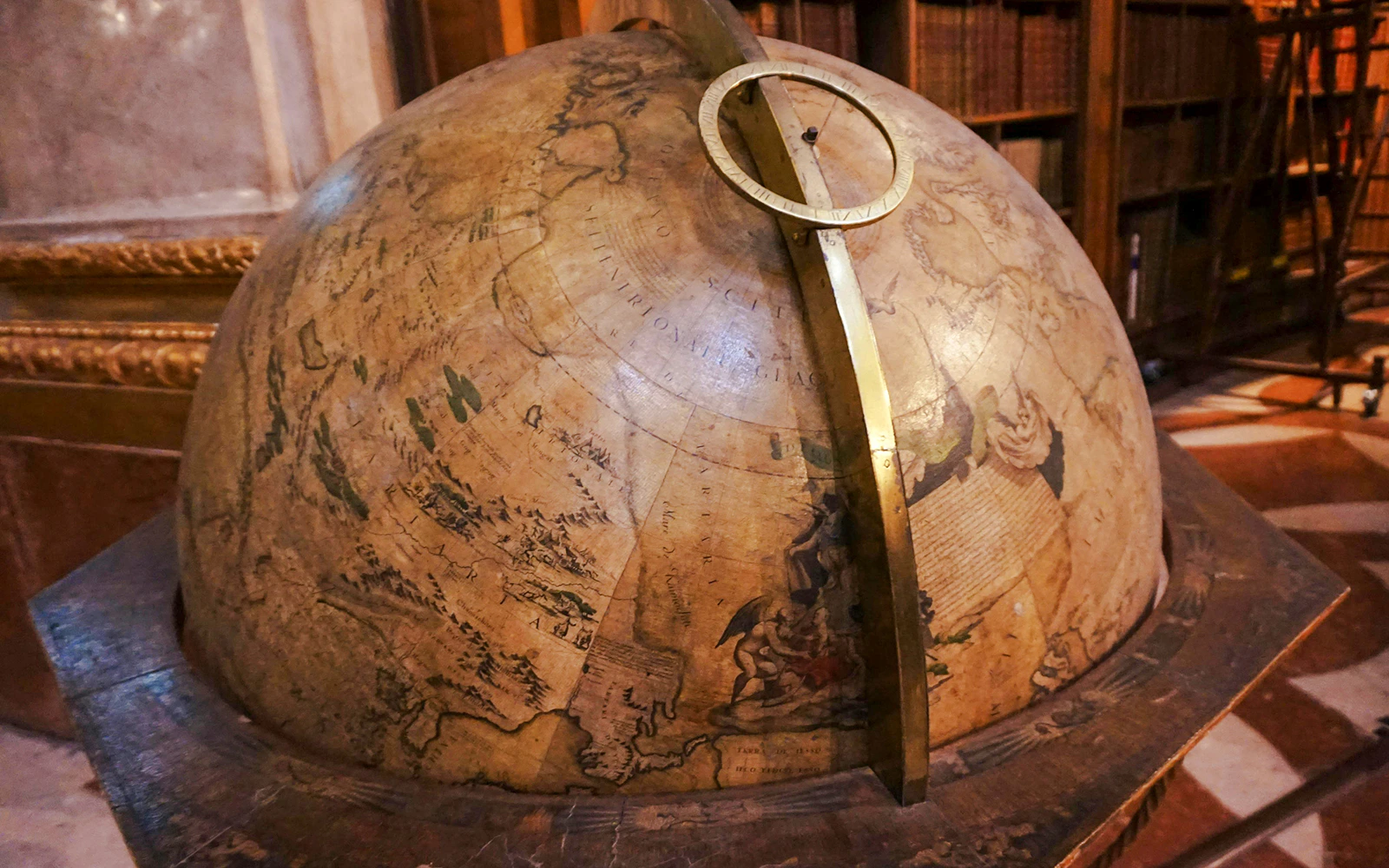
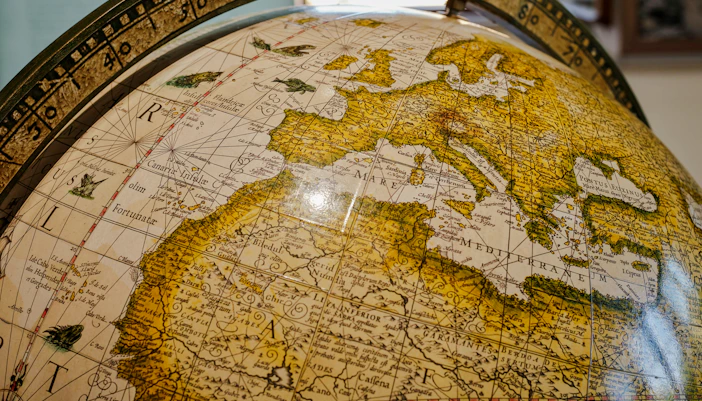
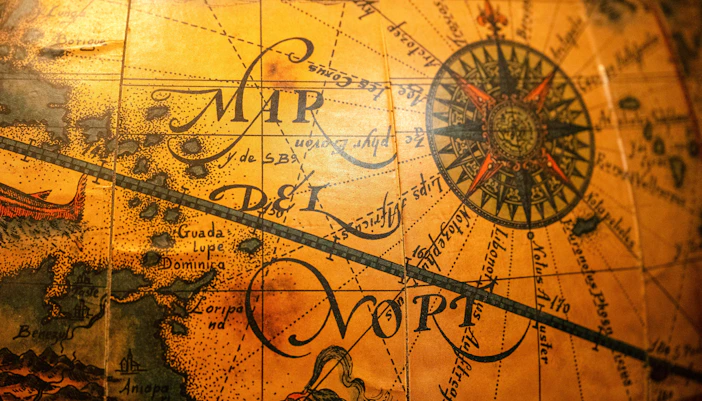
Look for coastlines, trade routes, and large blank interiors. Those empty spaces matter because they show where knowledge ended and speculation began. When you compare older globes, you’re not just seeing geography — you’re seeing how certainty expanded over time.
Celestial globes
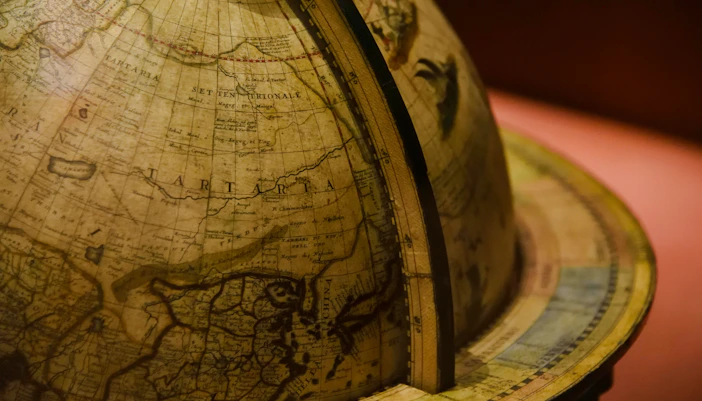
These map constellations rather than countries. Stand close enough to compare the mythological figures with the scientific labeling, then step back to read the whole sphere. They make more sense when you treat them as sky maps, not as decorative twins of Earth globes.
Armillary spheres and instruments
These ringed instruments explain how earlier scholars visualized motion in the heavens. Focus on the axis markers, intersecting circles, and layered geometry. They’re the fastest way to understand that this museum is about scientific thinking, not only collecting rare objects.
The Globe Museum opened to the public in 1956, but the collection reflects much older courtly and scholarly traditions of mapping the world and the heavens. What began as scientific and educational material became a specialist museum within the Austrian National Library, preserving globes as working instruments rather than decoration alone. That still shapes the visit today: you’re looking at tools that once explained how the world was understood.
Notable figures
Vincenzo Coronelli | Globe maker
Venetian friar-cartographer known for large Baroque globes that shaped European collecting.
Gerard Mercator | Cartographer
His mapping methods changed how Europe visualized geography on maps and globes.
Willem Blaeu | Mapmaker and instrument maker
Dutch craftsman whose globes connected navigation, astronomy, and print culture.
Know before you go
- Open: Tuesday to Sunday, 10am–6pm
- Closed: Monday
- Holiday hours: Public holiday schedules can change, so confirm before traveling
- Planning note: Enter by about 5:15pm if you want an unhurried visit
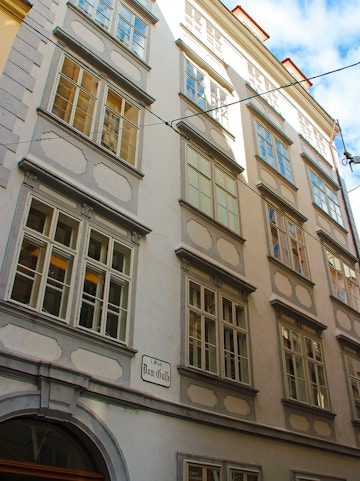
- Address: Palais Mollard, Herrengasse 9, 1010 Vienna | Find on maps
- Nearest subway: Herrengasse on U3, around 2–3 minutes on foot
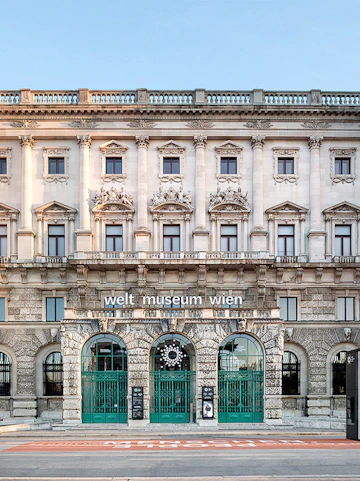
- Entry point: Use the Palais Mollard entrance on Herrengasse, not the State Hall entrance at Josefsplatz
- From State Hall: Allow around 5–7 minutes on foot if you’re combining both library sites
- Route style: This is a separate museum stop within the Austrian National Library network, so you can visit it directly with valid admission
- Building type: The museum sits inside a historic palace, so access routes depend on the staffed entrance in use
- Elevator access: Contact the Austrian National Library for the current barrier-free route and elevator instructions
- Mobility devices: The visit is short and entirely indoors, though gallery space can feel tighter around larger display cases
- Seating: Seating is limited in compact exhibition rooms
- Assistance: Staff can advise on the best arrival route if you contact the museum before your visit
- Photography: Follow entrance and in-gallery signage, as permissions can vary by exhibition
- Flash: Avoid flash photography unless staff explicitly permit it
- Tripods: Tripods and other bulky shooting equipment may be restricted
- Food and drink: Keep both outside the exhibition rooms
- Large bags: Oversized items may need to stay outside gallery spaces
Frequently asked questions about Globe Museum Vienna
Yes. Globe Museum Vienna is included with valid Austrian National Library admission. No separate Globe Museum ticket is normally issued.
No. Book Austrian National Library admission, then visit the Globe Museum as part of that ticketed visit.
Yes. You can go straight to Palais Mollard on Herrengasse rather than entering through the State Hall at Josefsplatz.
It works best as a 30–45 minute stop within a 2–3 hour library-focused itinerary. Pair it with the State Hall or Esperantomuseum.
Allow 30–45 minutes self-guided, or up to 60 minutes if you like reading labels closely.
Sometimes. Guided inclusions vary by tour, so check the exact route before booking if Globe Museum Vienna is your priority.
Yes. It suits school-age children best because the objects are visual, though the labels are more rewarding for older kids and adults.
Start with the terrestrial globes, then the celestial ones, and finish with the armillary spheres. That order makes the collection easier to understand.
No. The Globe Museum is at Palais Mollard on Herrengasse, a short walk from the State Hall at Josefsplatz.
Check the current entrance signage before shooting. Photography rules can vary by exhibition, and flash or tripods may be restricted.