Schönbrunn Palace

Schönbrunn Palace Gardens

Included with Schönbrunn Palace tickets

Timings

RECOMMENDED DURATION

4 hours

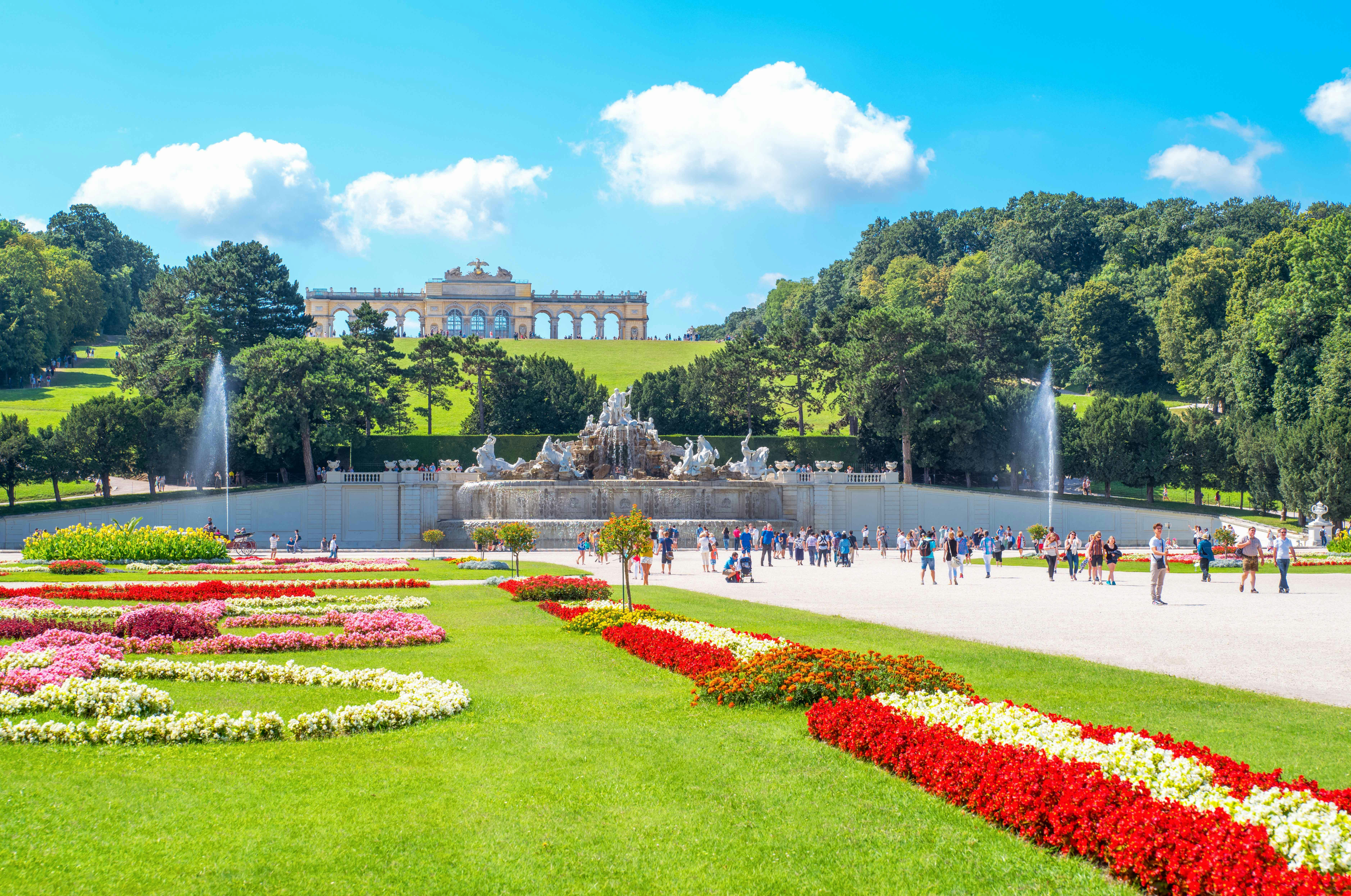
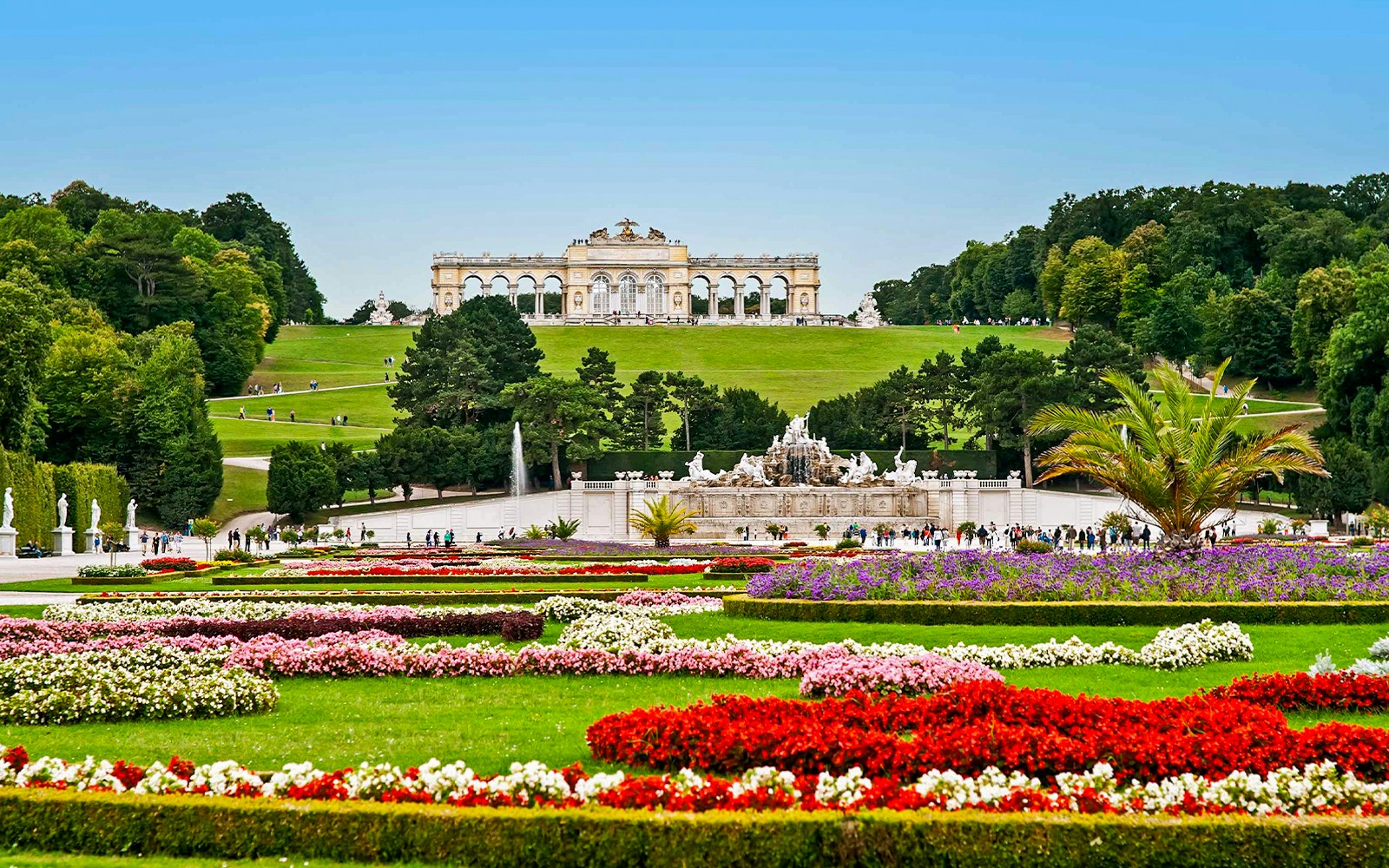
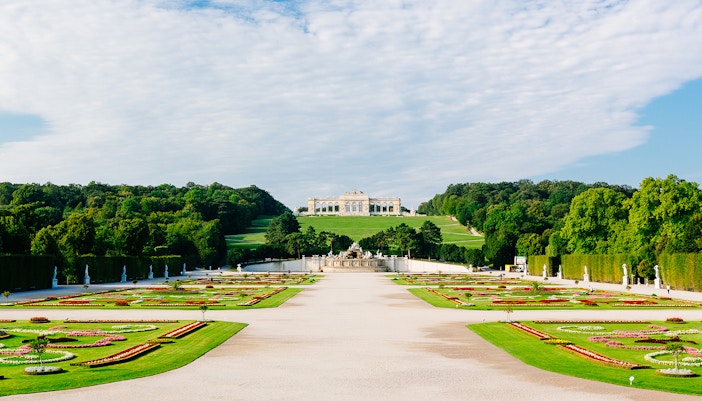
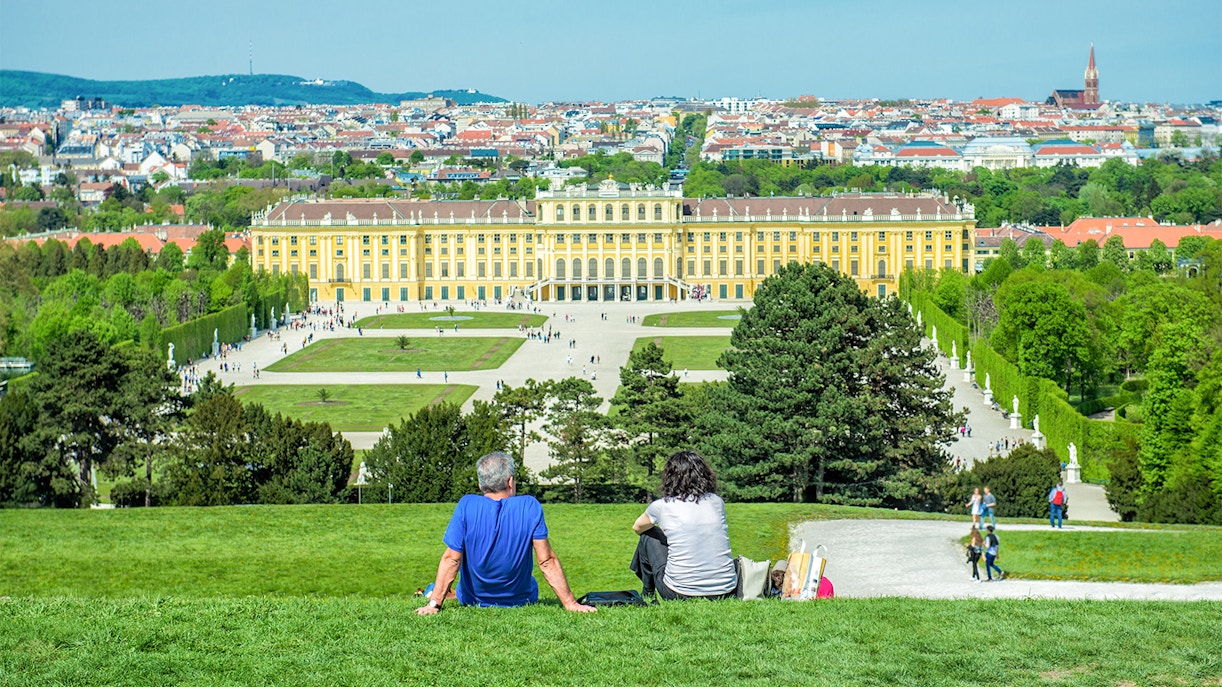
Schonbrunn Palace gardens with fountain and Gloriette in Vienna, Austria.

Baroque splendor beyond the Palace

Covering 435 acres, bigger than the entire country of Monaco, the Schönbrunn Gardens are a Baroque masterpiece of fountains, statues, and sweeping vistas. A UNESCO World Heritage Site since 1996, they are free to enter year-round, with seasonal highlights like the Maze, Privy Garden, and Gloriette terrace adding even more to explore.

Quick facts

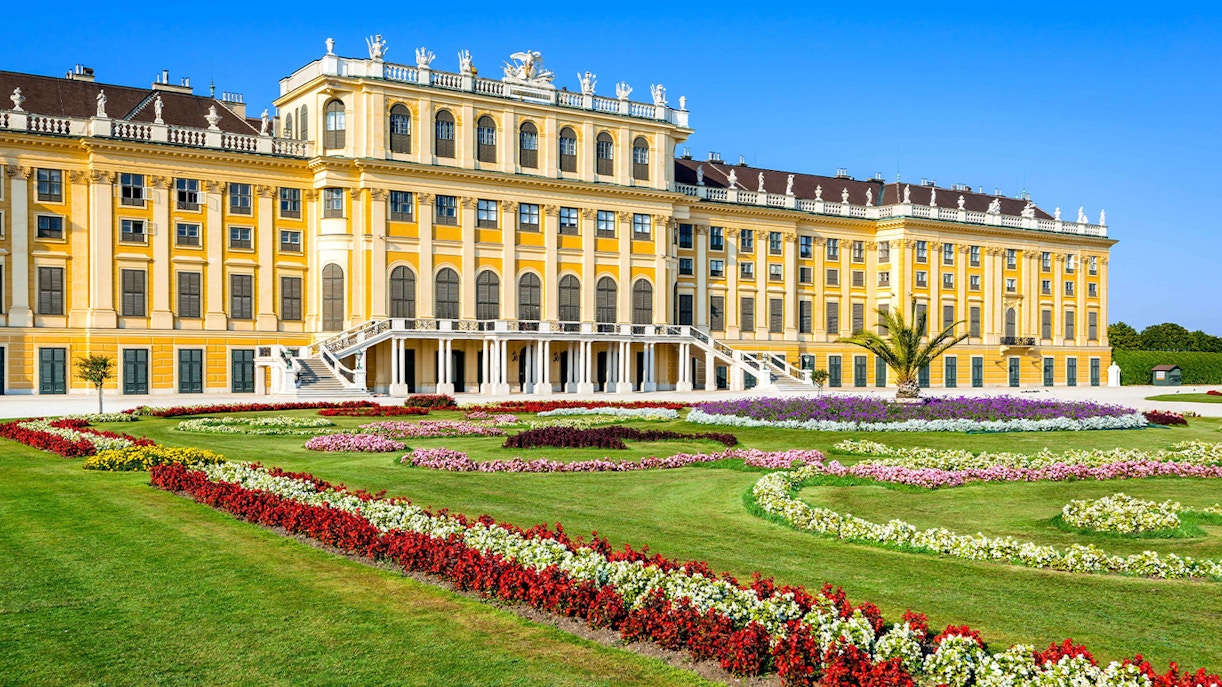
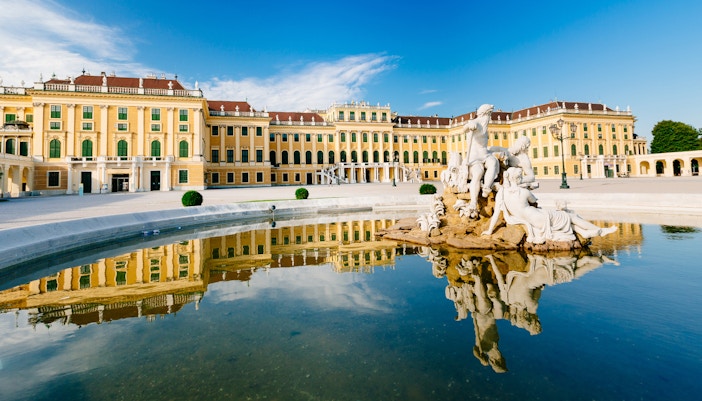
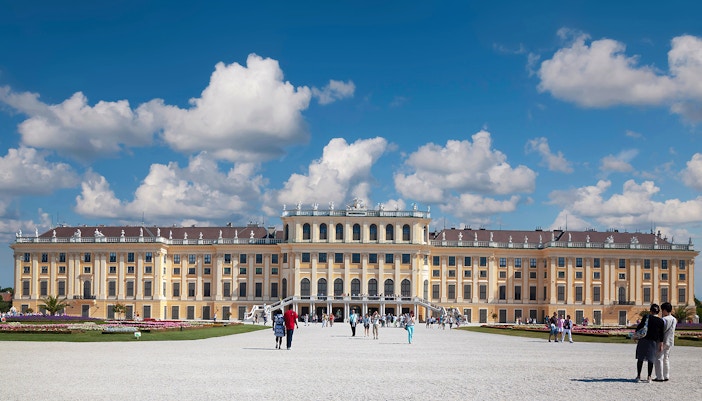
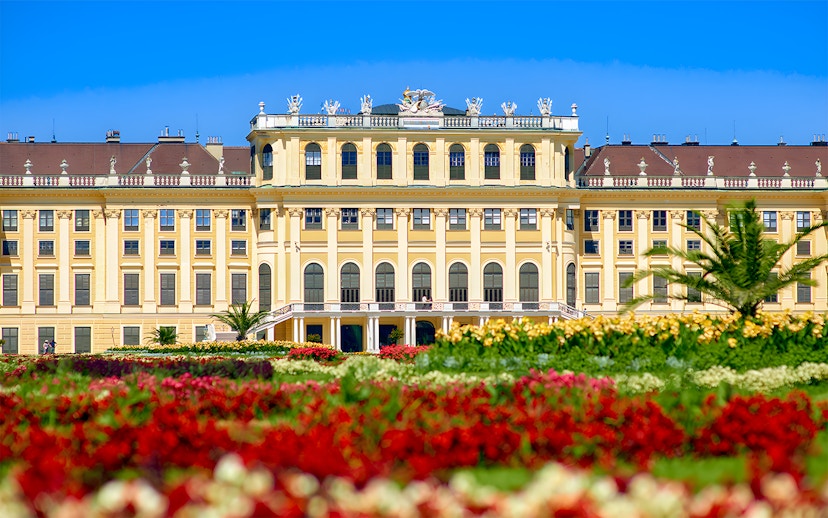
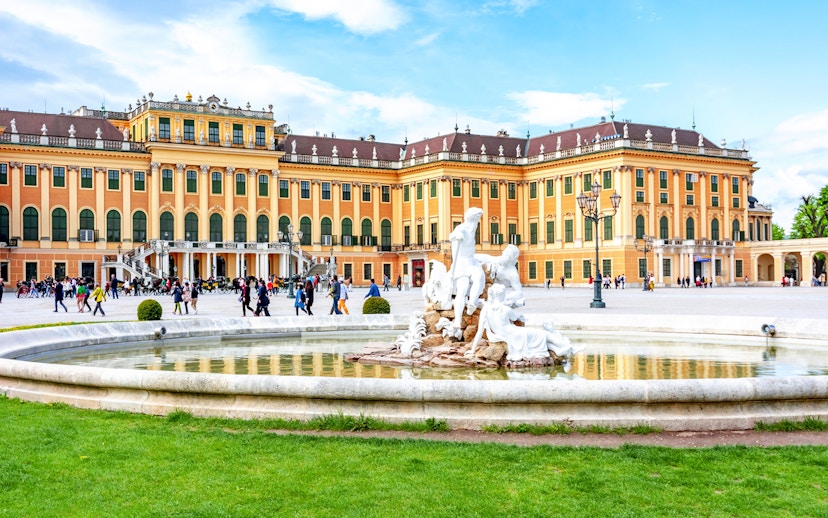
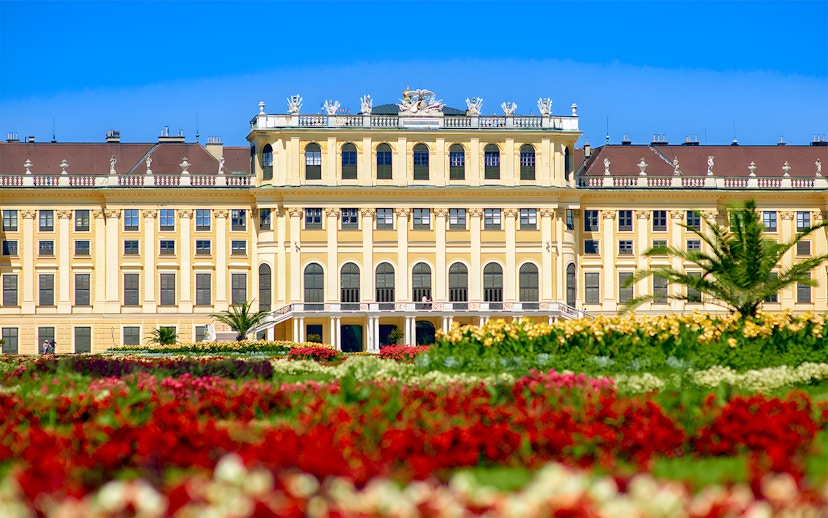
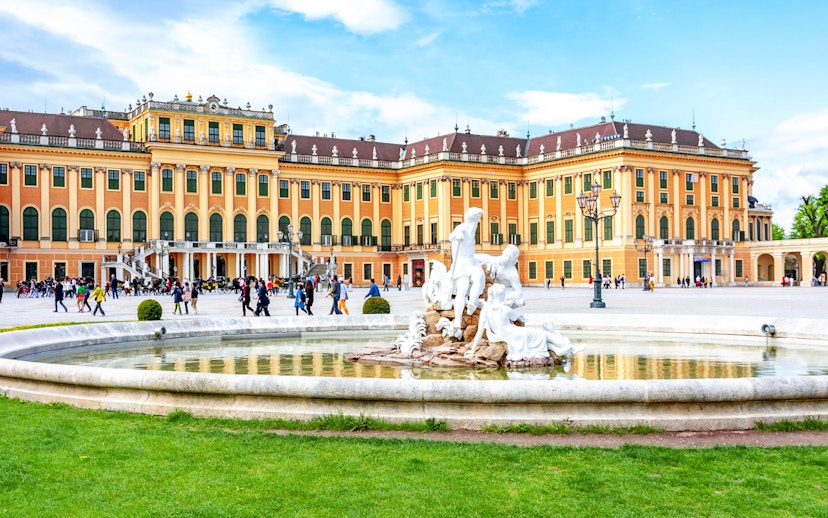
Schönbrunn Palace facade with vibrant gardens, Vienna.
  • Size: 176 hectares (435 acres)
  • Design: French Baroque layout by Jean Trehet in 1695, later enhanced in the 1770s with Rococo elements under architect Johann Ferdinand Hetzendorf von Hohenberg
  • Highlights: The Gloriette hilltop colonnade, Neptune Fountain, 32 mythological statues by Beyer, the Palmenhaus greenhouse, the Maze and Labyrinth, and Schönbrunn Zoo (the world’s oldest, founded in 1752)
  • Access: Gardens are free to enter daily from 6:30am; ticketed areas include the Privy Garden, Orangery Garden, Maze, and Gloriette terrace
  • Status: Recognized as a UNESCO World Heritage Site since 1996
Schönbrunn Palace Vienna

Why are the Schönbrunn Gardens a must-see

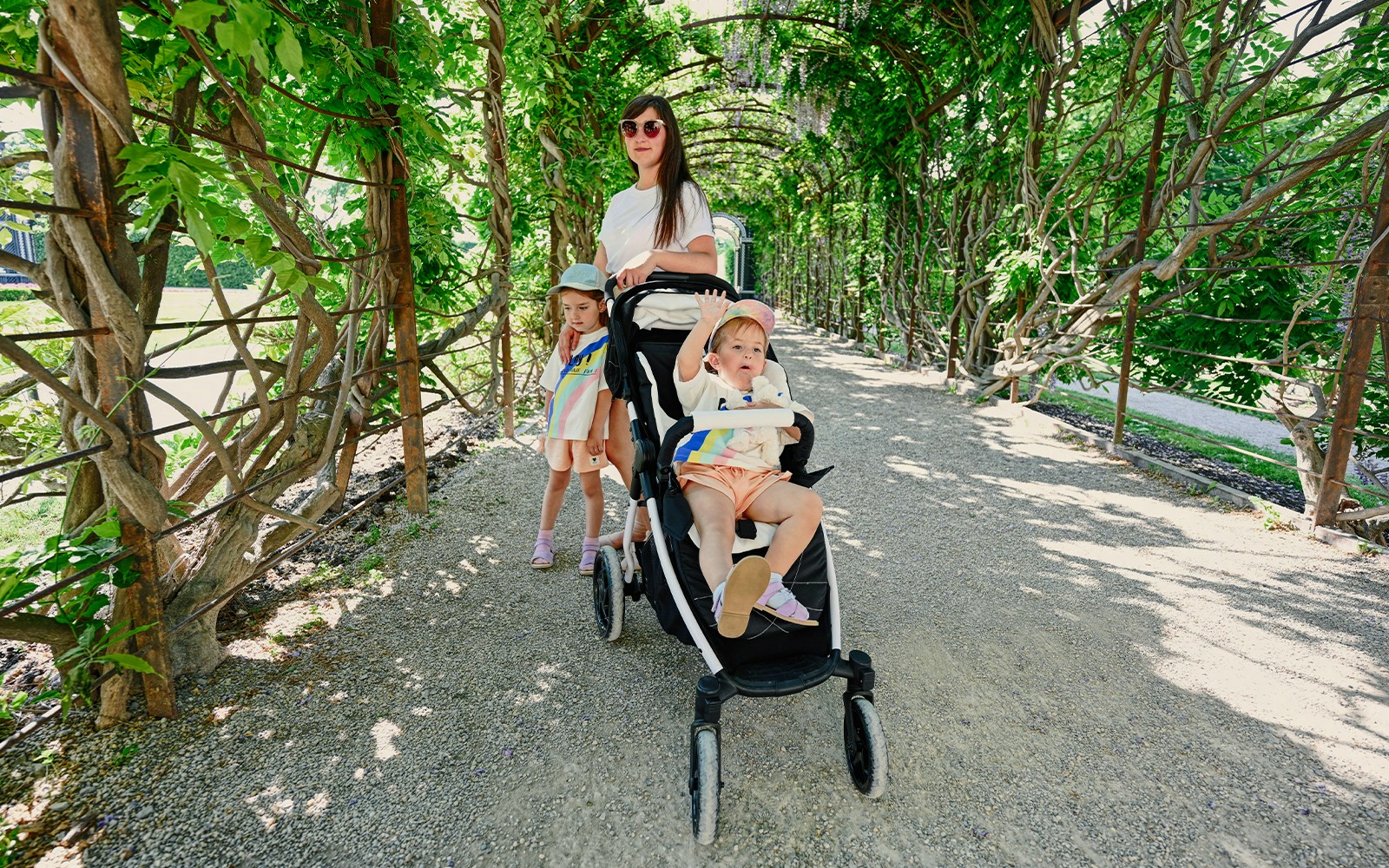
Family exploring garden path near Children's Museum at Schönbrunn Palace.
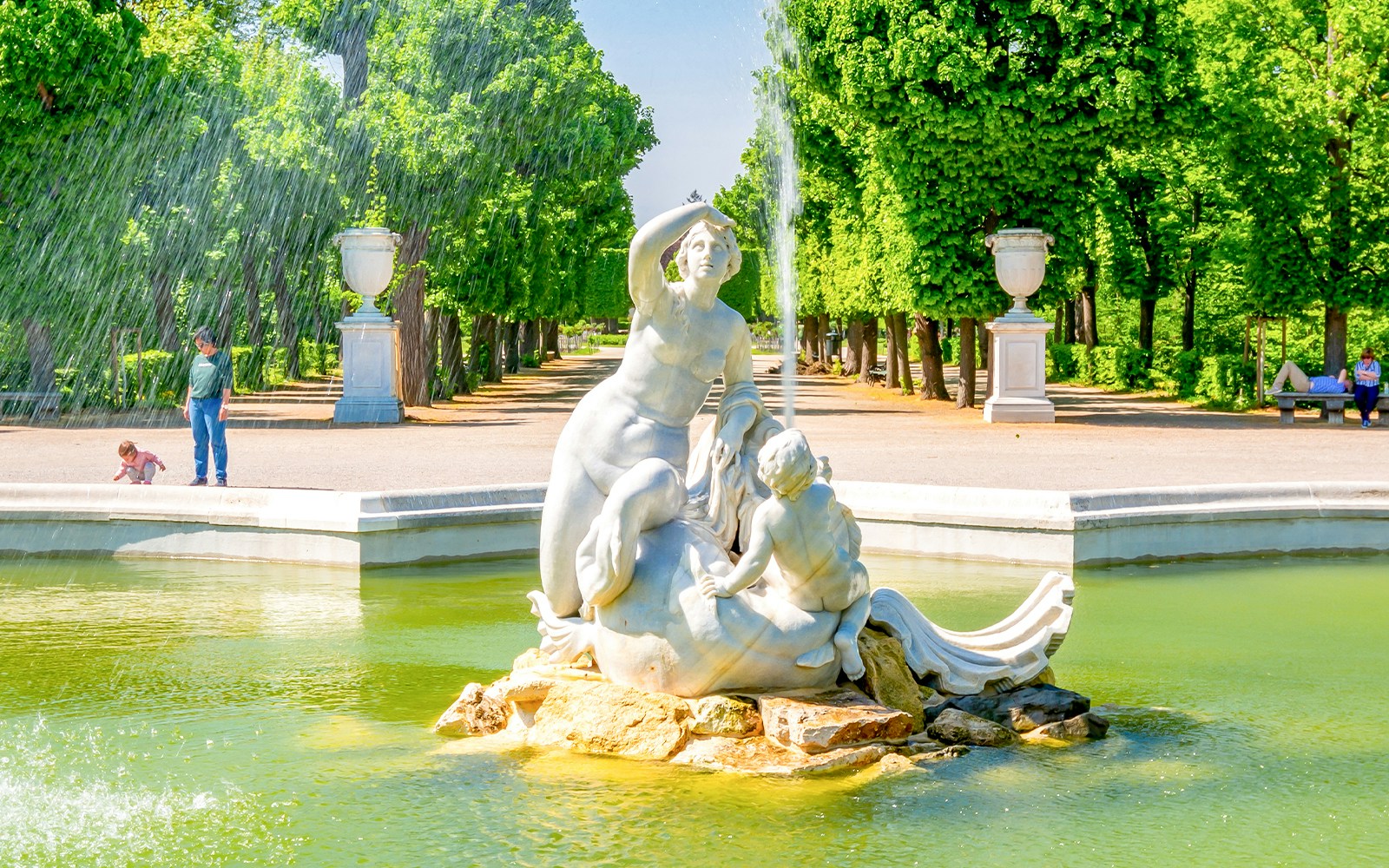
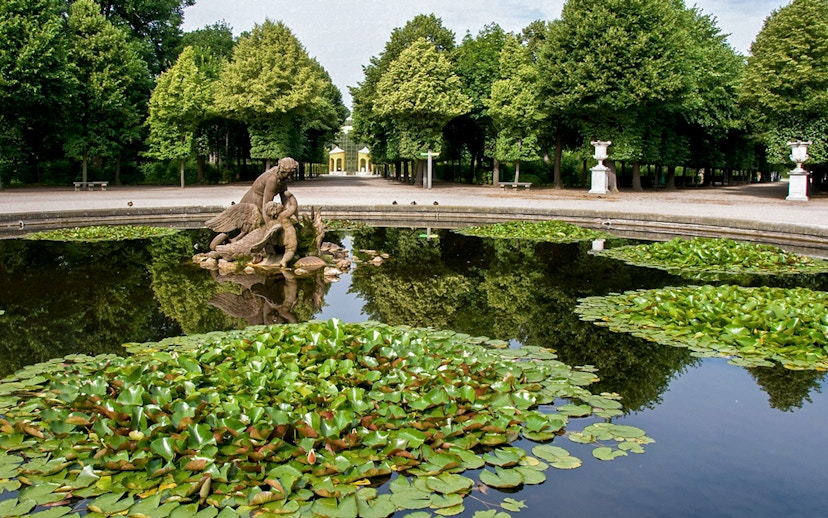
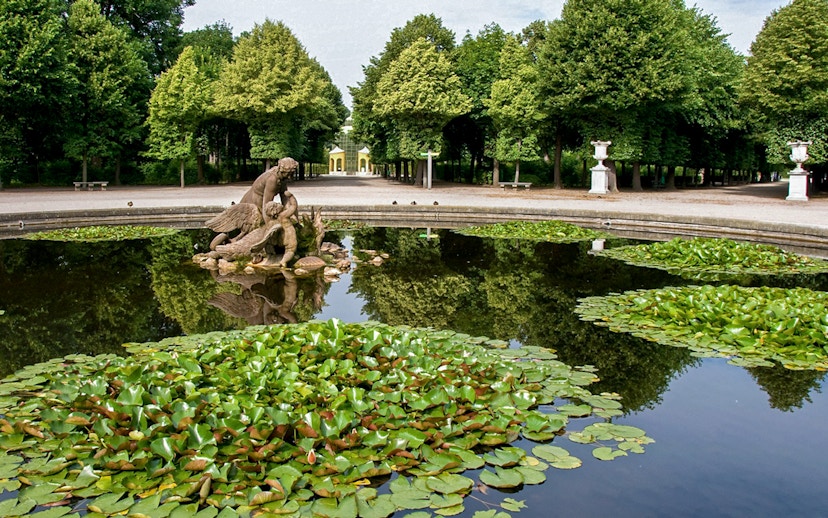
Fountain sculpture in Schönbrunn Palace gardens, Vienna, with lush greenery and visitors nearby.
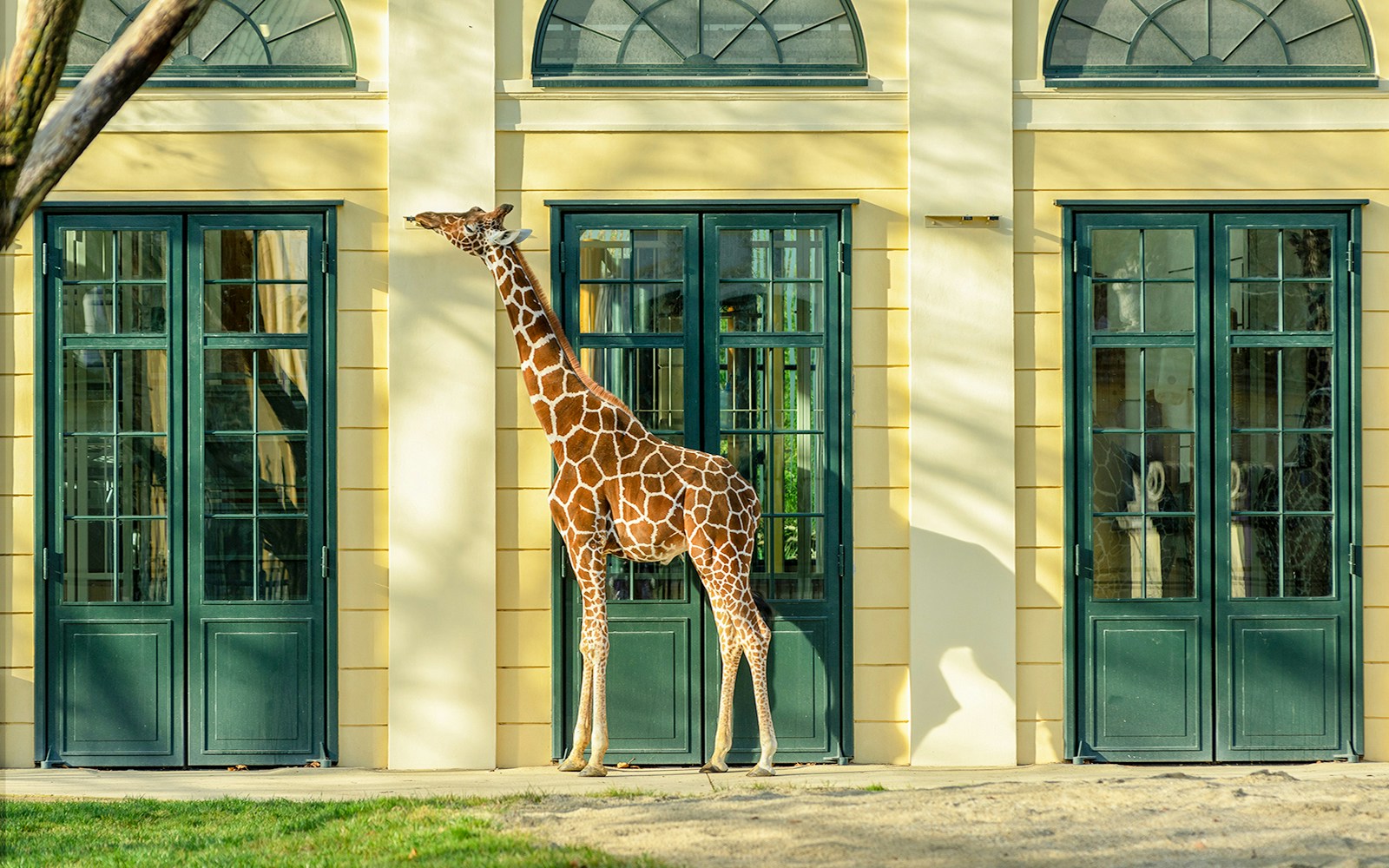
Giraffe standing by a building at Schönbrunn Zoo, Vienna.
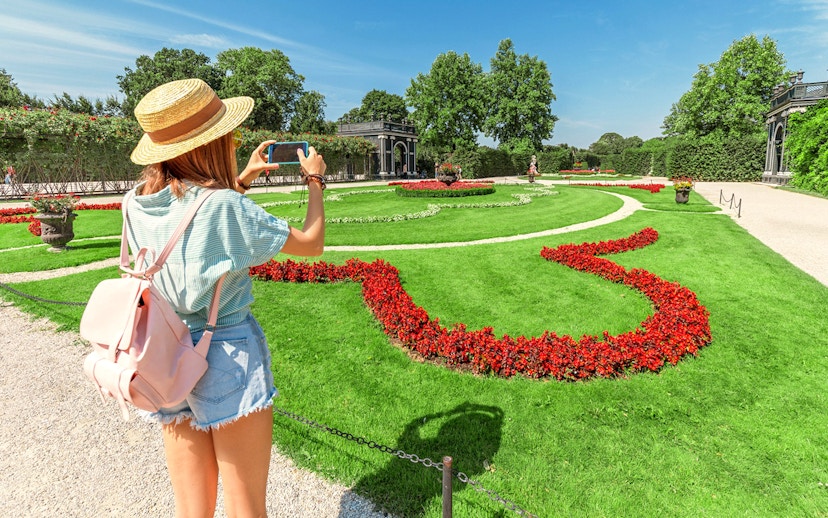
Schönbrunn Palace gardens with Gloriette in Vienna, featuring colorful flower beds and fountains.
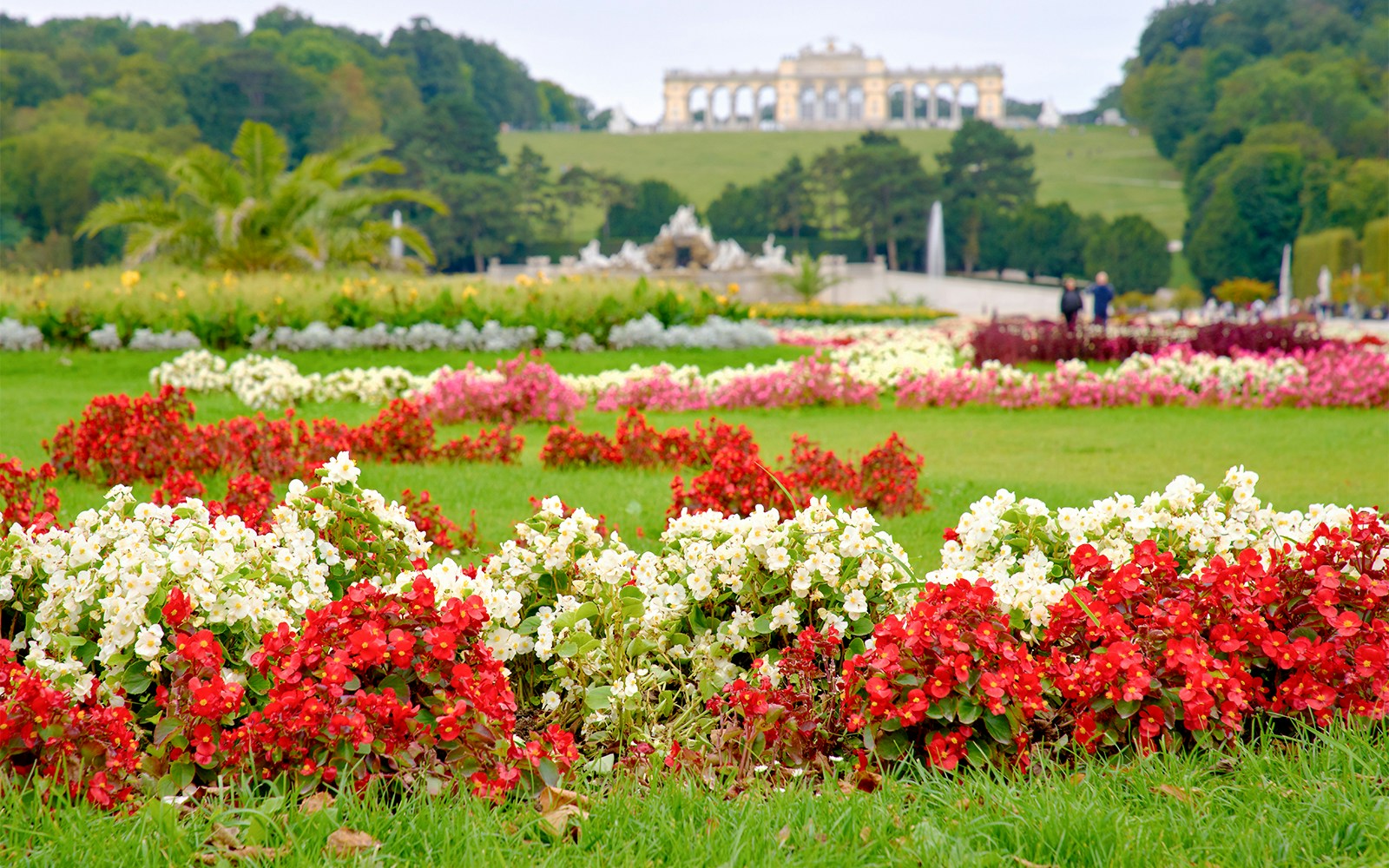
Flowers and gardens with the Gloriette in the background at Schonbrunn Palace gardens.
1/5

A UNESCO landscape you can explore for free

Unlike many royal gardens in Europe, Schönbrunn’s vast parklands are free to enter year-round, letting you stroll through a World Heritage site without spending a cent.

Baroque grandeur at every turn

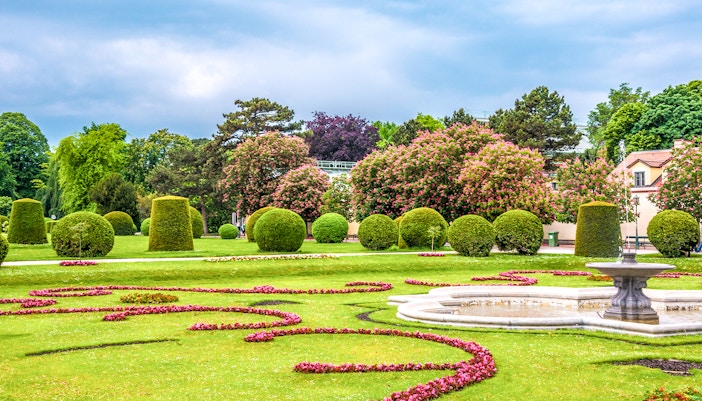
From the Great Parterre’s geometric precision to marble statues of gods and heroes, the gardens showcase the height of 18th-century Baroque artistry.

Attractions within the Gardens

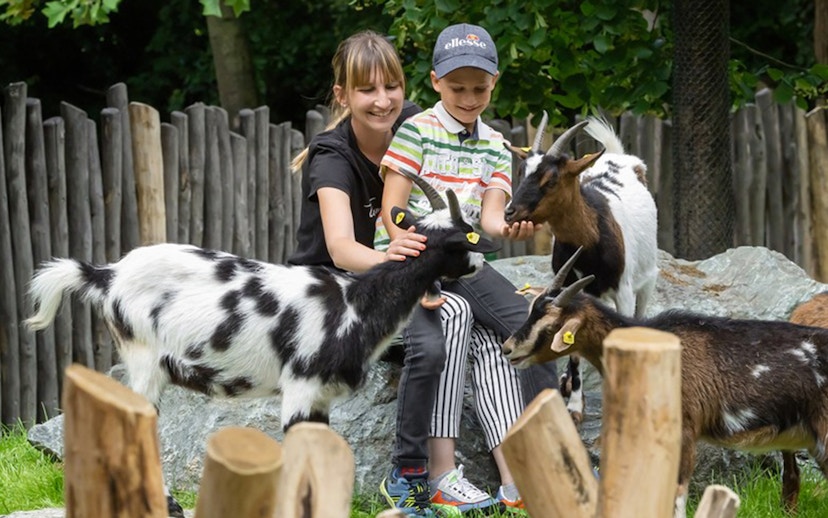
Inside the grounds, you’ll find Schönbrunn Zoo, the Palmenhaus greenhouse, and the playful Maze and Labyrinth, making the gardens more than just a walk.

Views worth the climb

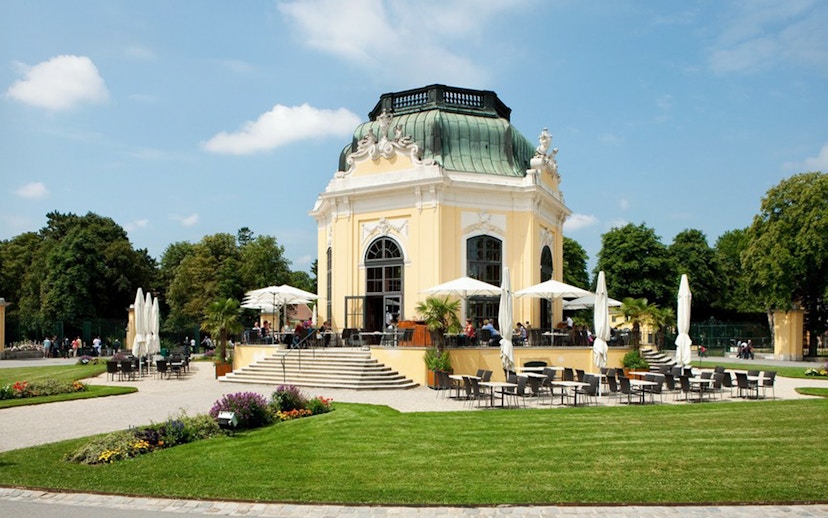
The Gloriette terrace crowns the hill with sweeping panoramas over Vienna, perfect for photos, sunset views, or coffee at the Café Gloriette.

Seasonal highlights for every visit

From April to May, the gardens burst into color with spring flower carpets. June to August brings long days with all fountains in full flow. September to October glows with autumn foliage, while November to December the palace forecourt hosts a festive Christmas market.

From Versailles' inspiration to Vienna’s jewel

Formal beginnings (1695)

The gardens were first laid out in 1695 by Jean Trehet, a disciple of Versailles’ André Le Nôtre. He introduced a formal French Baroque parterre with strict symmetry and long sightlines, creating the foundation of Schönbrunn’s grand landscape design.

Schönbrunn Palace history

Baroque redesign & sculpture (1770s)

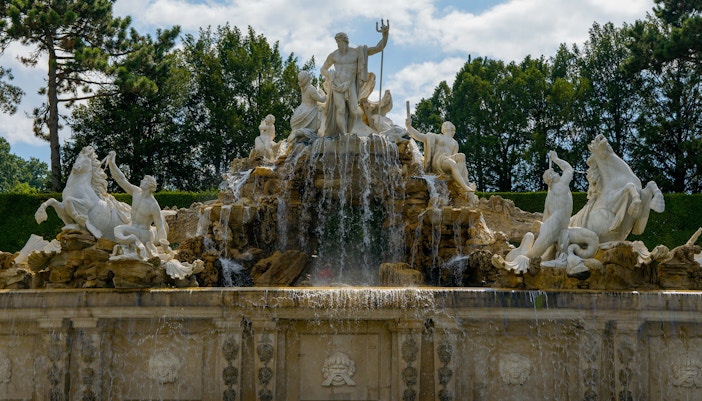
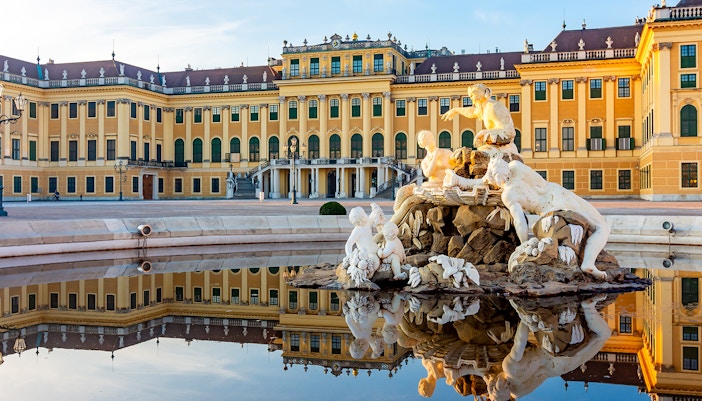
In the 1770s, Maria Theresa transformed the gardens with mythological statues by Johann Wilhelm Beyer, the Neptune Fountain, and the Roman Ruin. These symbolic features linked Habsburg power with classical ideals, blending theatrical art with Baroque landscaping.

World’s oldest zoo (1752)

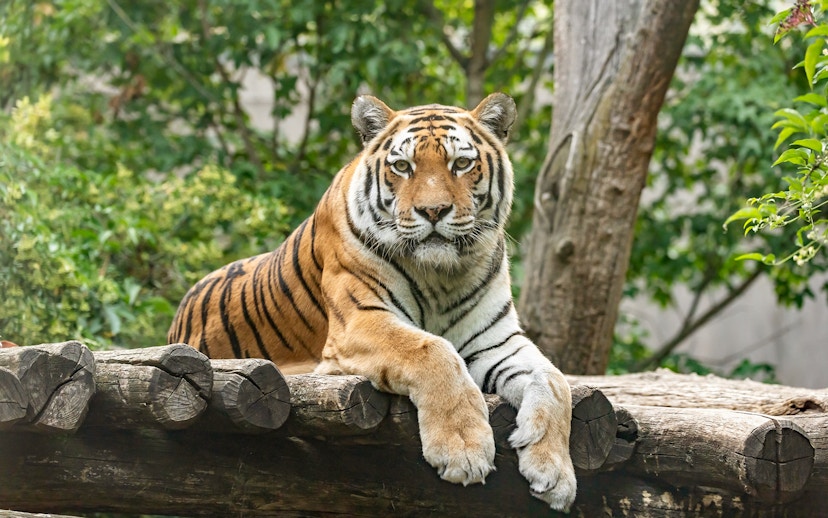
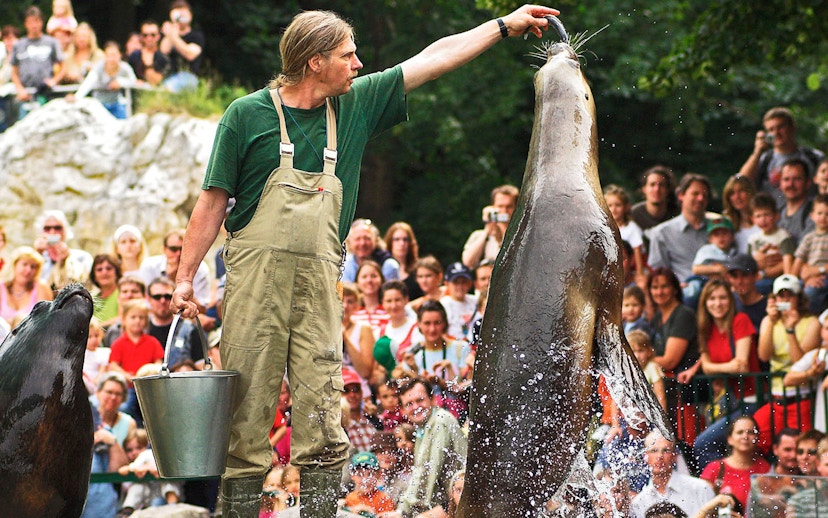
Founded in 1752 by Emperor Franz I, Schönbrunn Zoo is the oldest continuously operating zoo in the world. Originally a menagerie for the imperial court, it now houses over 700 species, including giant pandas, and is a centerpiece of the gardens’ living heritage.

Elevated views (1775)

The Gloriette rises on the hill above the gardens as a triumphal colonnade built to celebrate Habsburg victories. Its terrace offers sweeping views of Vienna and the palace grounds, and today it remains a landmark viewpoint and home to Café Gloriette.

Botanical marvel (1882)

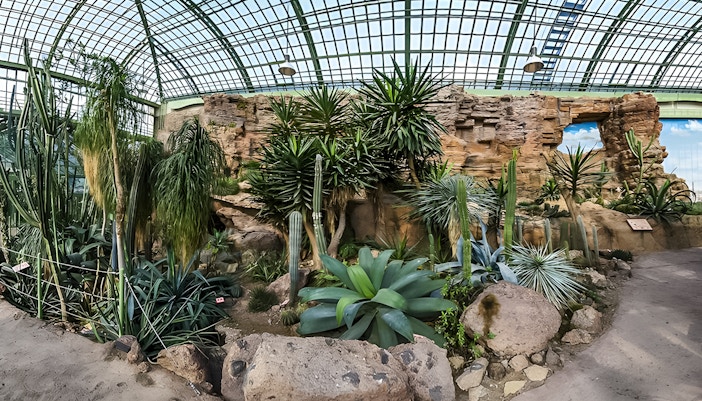
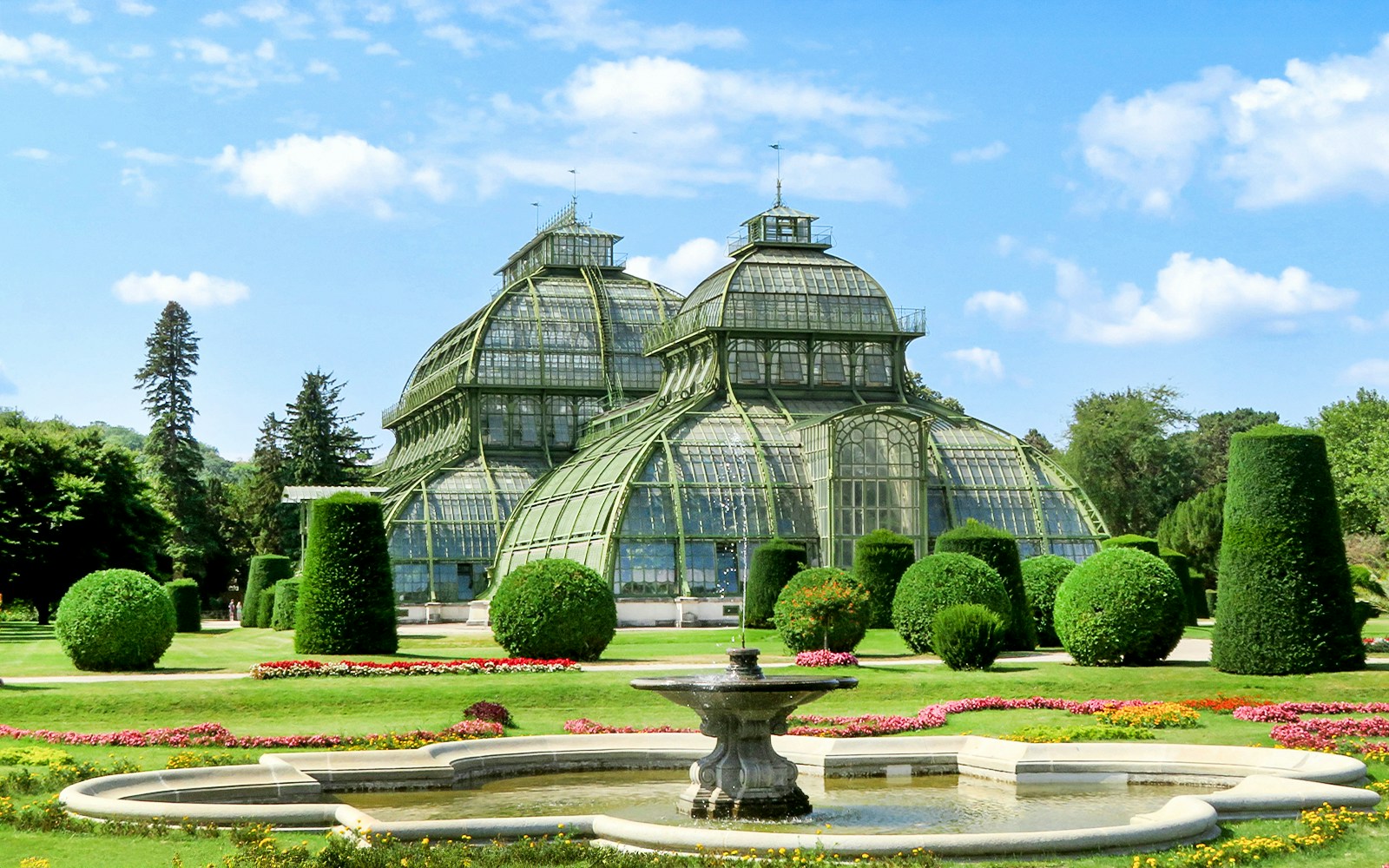
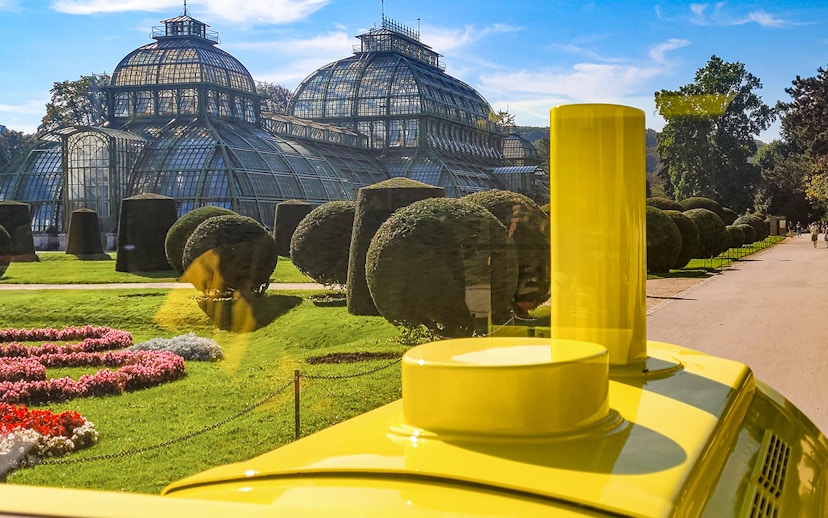
The Palmenhaus is one of Europe’s largest glasshouses, sheltering over 4,500 plant species across tropical, subtropical, and Mediterranean zones. Restored after wartime damage, it continues to showcase rare plants under the care of Austria’s Federal Gardens.

Living heritage (20th century to today)

After the fall of the monarchy, the gardens opened freely to the public and became a civic space. Since 1996, they have been recognized as a UNESCO World Heritage Site, hosting concerts, cafés, and seasonal attractions while remaining Vienna’s most visited park.

Must-see spots in the Schönbrunn Palace Park

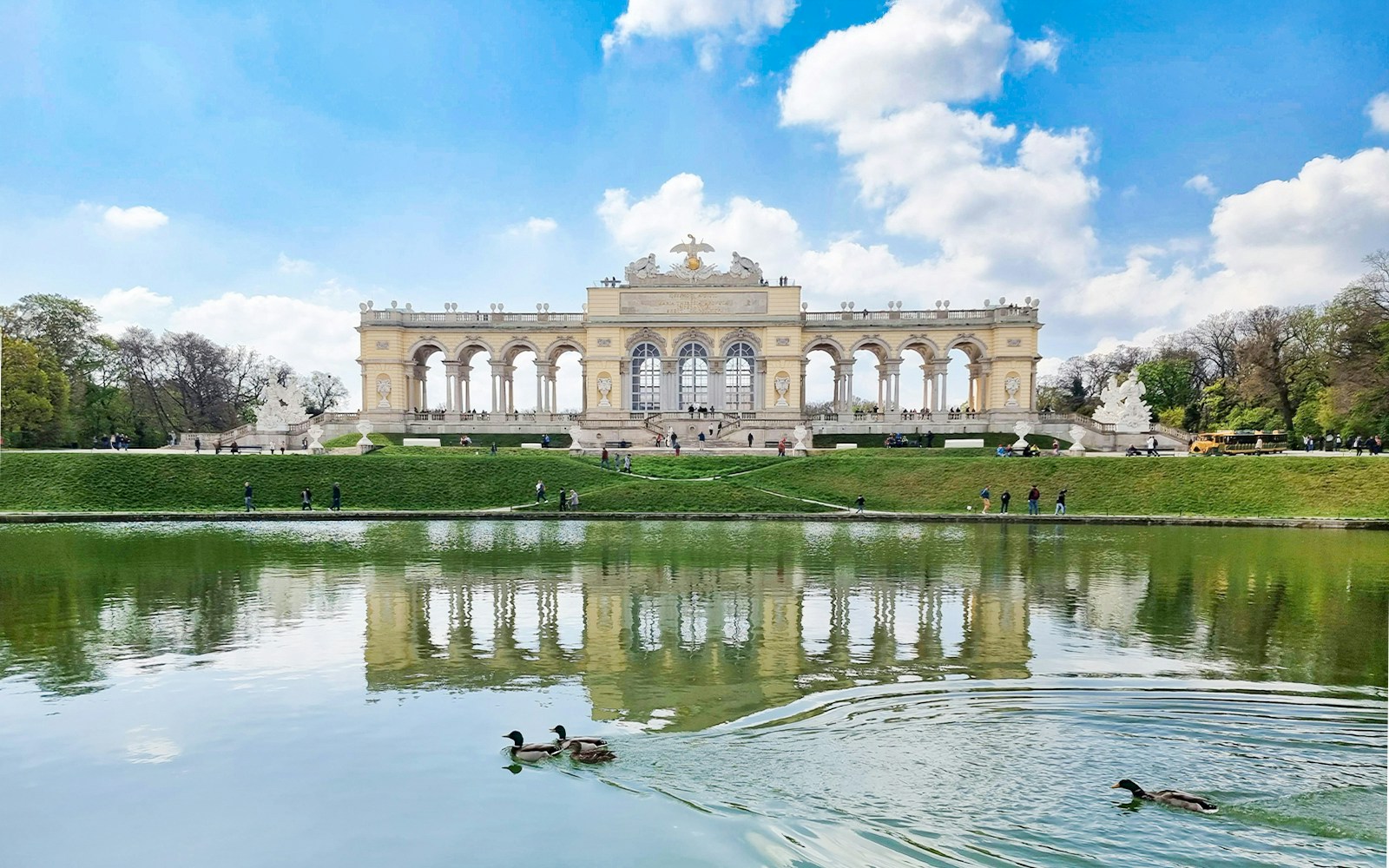
Gloriette at Schönbrunn Palace, Vienna

The Gloriette

A grand hilltop colonnade crowned with arches and eagle statues, offering breathtaking views over Vienna and a café where visitors sip coffee with palace vistas.

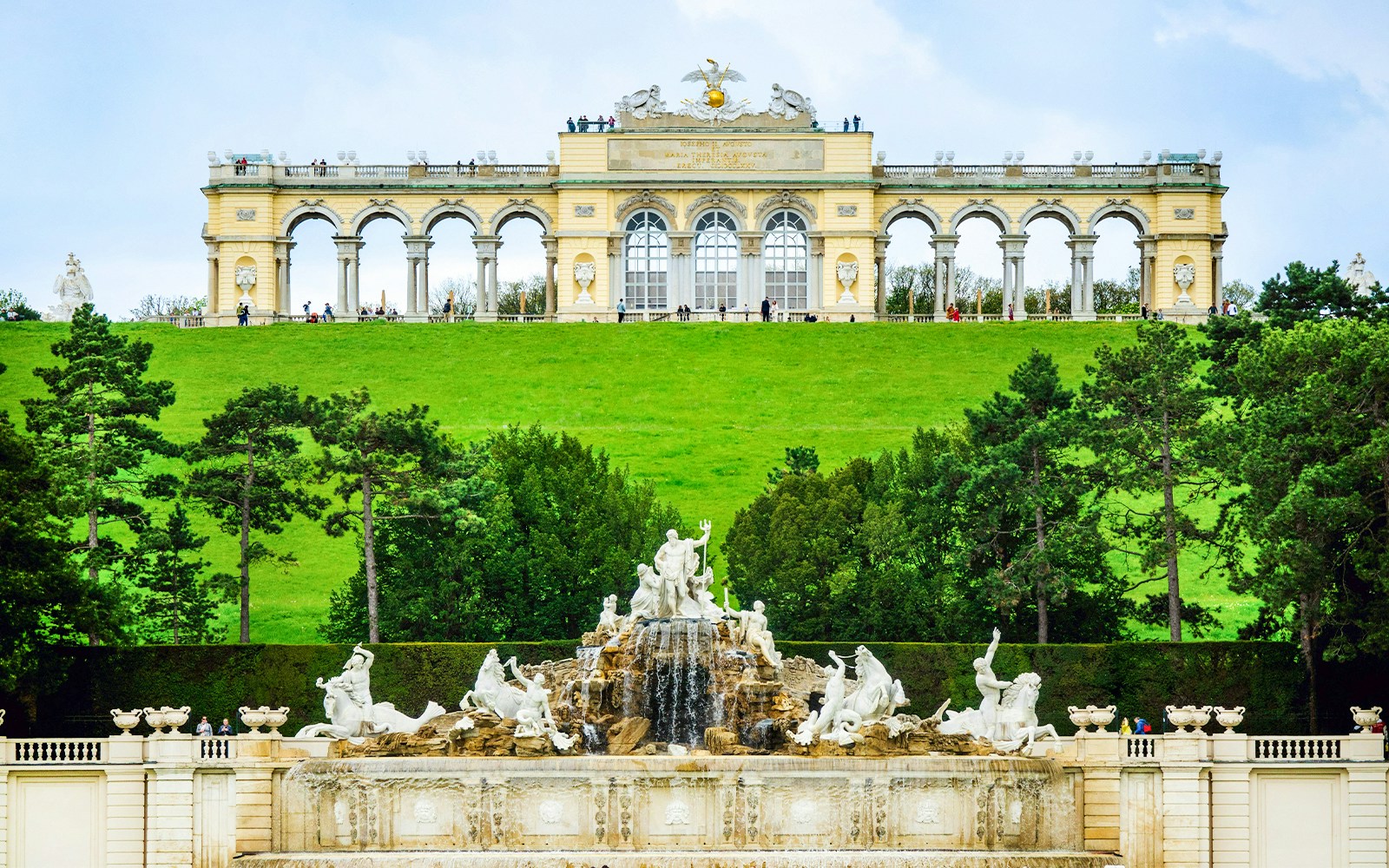
The Neptune Fountain at Schönbrunn Palace, Vienna
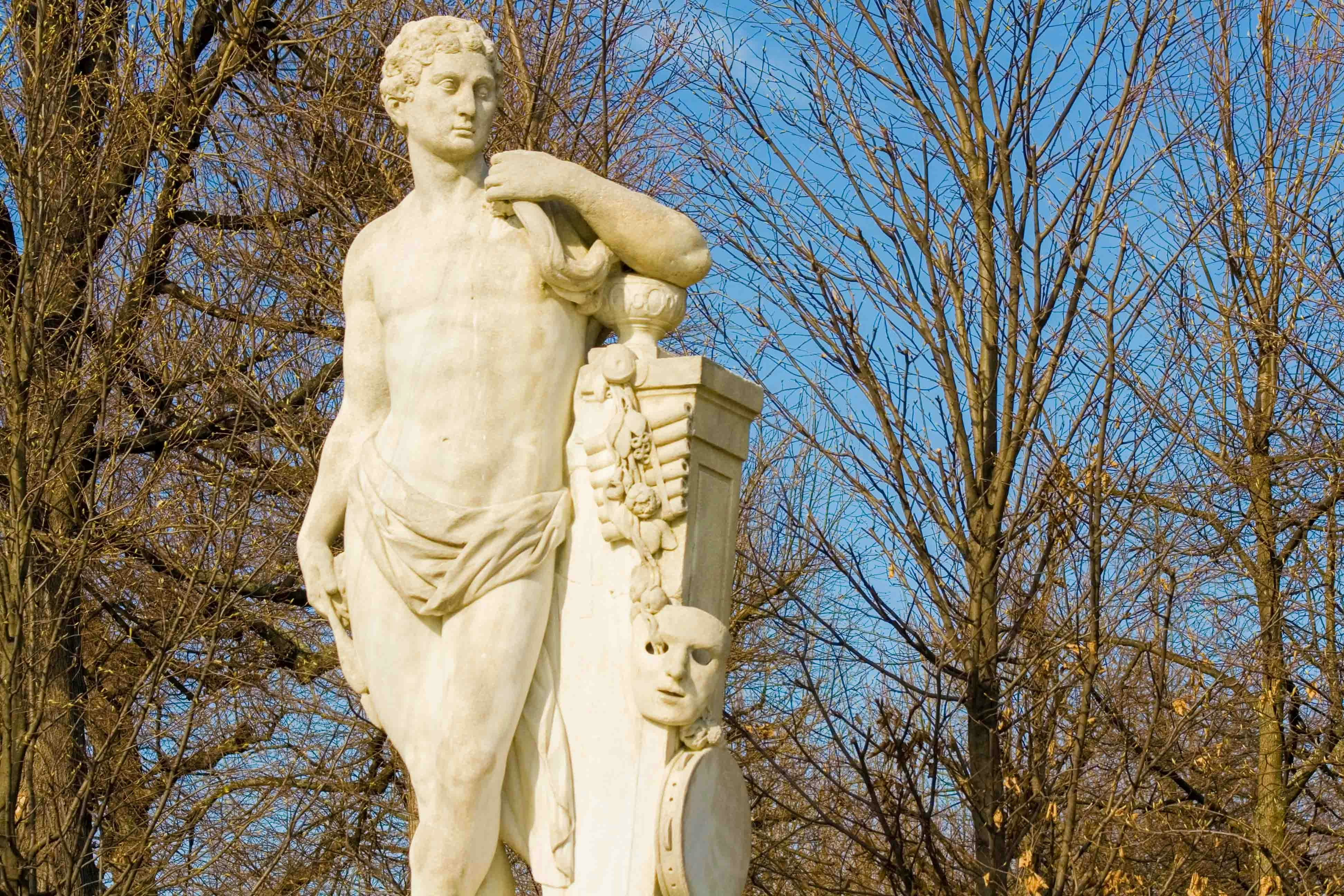
Statue of a classical figure at Schönbrunn Palace, Vienna, with bare trees in the background.
The Palm House at Schönbrunn Palace, Vienna
Red panda in a snowy tree at Schönbrunn Zoo, Vienna.

Plan your visit to the Schönbrunn Gardens

  • Opening hours: The gardens open daily at 6:30am, with closing times varying seasonally between 5:30pm in winter and 9pm in summer.
  • Public transport: Metro line U4, tram lines 10 and 60, and bus line 10A all stop at Schönbrunn, placing you steps from the palace gardens.
  • Main entrances: Enter through the main palace gate, the Hietzing Gate near the Zoo and Palmenhaus, or the Maria Theresia Gate for easier Gloriette access.
  • Accessibility: Most main paths are level and accessible, though gravel surfaces are common; wheelchair-friendly routes are available to key attractions.
  • Ticketed areas: The Privy Garden, Orangery Garden, Maze and Labyrinth, and Gloriette terrace require paid entry and are open seasonally from April 1 to November 2.
  • Fountain schedule: The fountains operate seasonally from mid-April to mid-October, typically flowing each day between 10am and 4pm.
  • Gloriette access: The climb to the Gloriette involves an uphill walk, but the Stranitzkygasse bus stop (8A) provides access through the hillside gate to reduce the effort.
  • Photography spots: The best panoramic view is from the Gloriette terrace, looking down the Great Parterre toward the palace.
  • Food and drinks: Café Gloriette serves pastries and coffee with sweeping views, and seasonal kiosks operate in the gardens.
  • Garden rules: Dogs, bicycles, drones, and stepping on lawns are not allowed, ensuring preservation of the Baroque layout.

Schönbrunn Palace concerts >

Schönbrunn Palace Park today

Schonbrunn Palace gardens with visitors in Vienna, Austria.
  • Vienna’s largest green stage for history and leisure: The Schönbrunn Gardens remain a UNESCO-recognized Baroque masterpiece where locals jog, families picnic, and visitors wander past fountains, statues, and flowerbeds that once staged imperial pageantry.
  • A free World Heritage site in daily use: Covering 435 acres, the gardens are open year-round at no cost, making world-class heritage and design accessible while preserving Austria’s cultural identity for future generations.
  • Where heritage meets living culture: From summer concerts at the Gloriette to giant pandas at the zoo, the gardens host events and attractions that keep Schönbrunn not only preserved but alive as a space of discovery.
Must-know facts about Schönbrunn Palace

Frequently asked questions about Schönbrunn Palace Gardens

Yes, entry to the Schönbrunn Palace Park is free, and the gates open daily at 6:30am year-round.

More reads

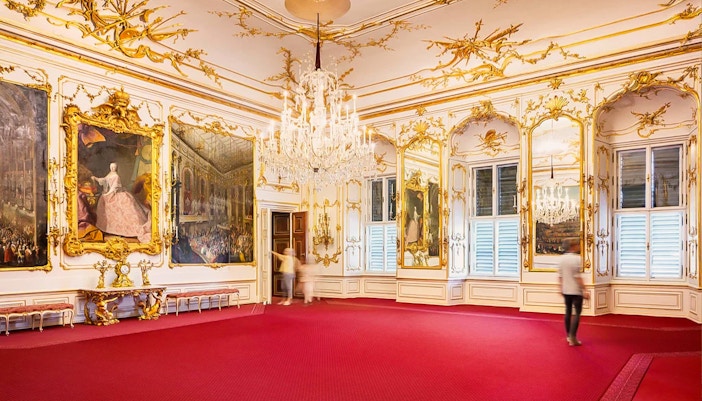
Inside Schönbrunn Palace

How to get to Schönbrunn Palace?

Schönbrunn Palace tickets and tours