
Spanish Riding School TicketsCrafted by Headout, a global experiences brand offering curated tours, tickets & experiences. Discover with ease, book with peace.
4.5/5
7k+ travellers from around the world love this
Headout is an authorized and trusted partner of this venue.
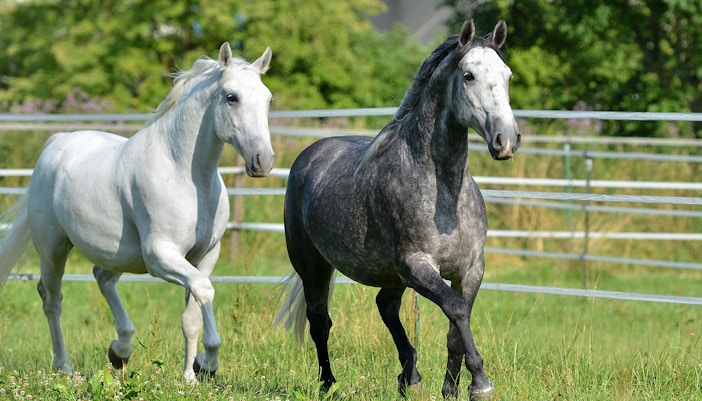
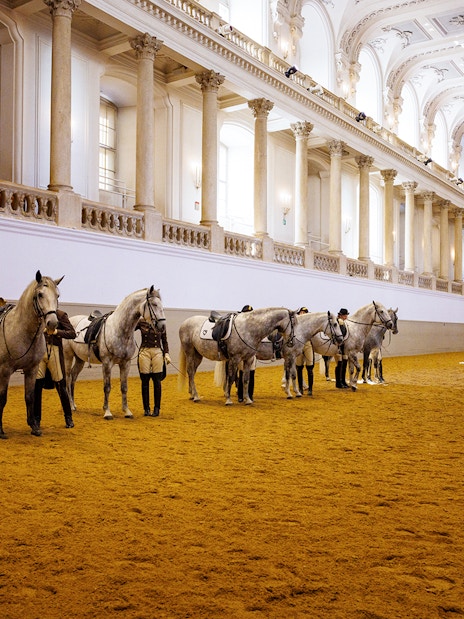
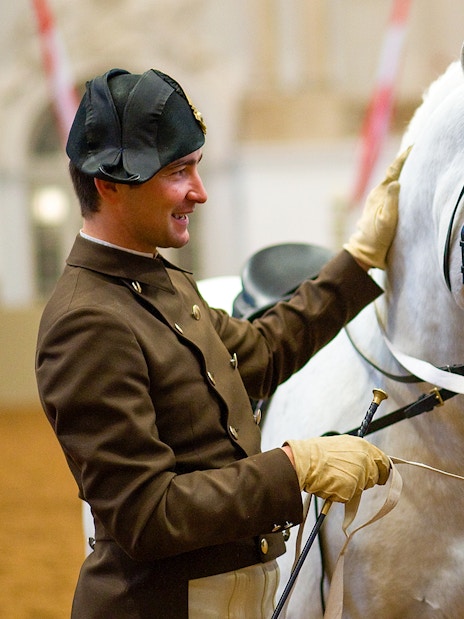
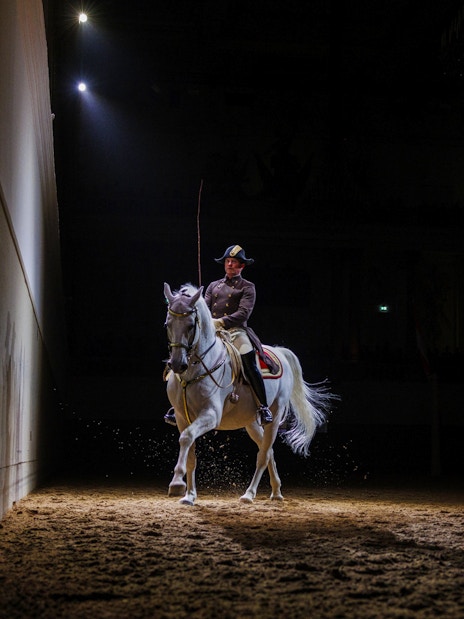
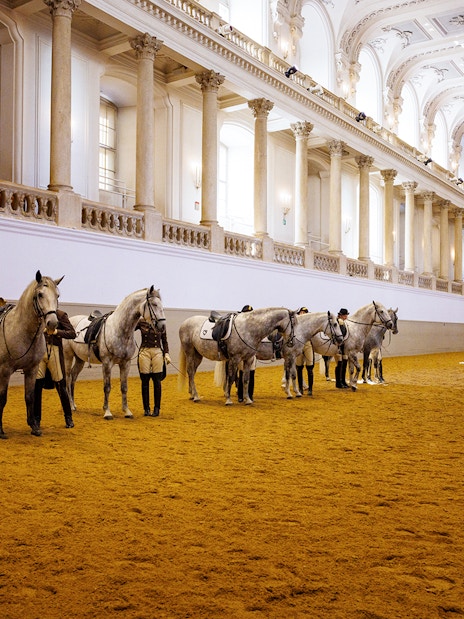
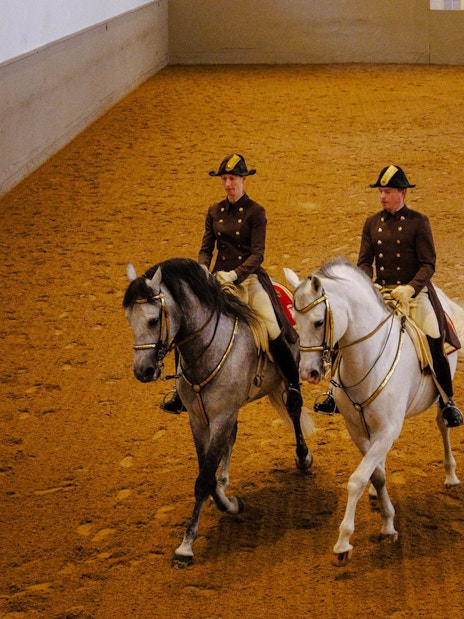
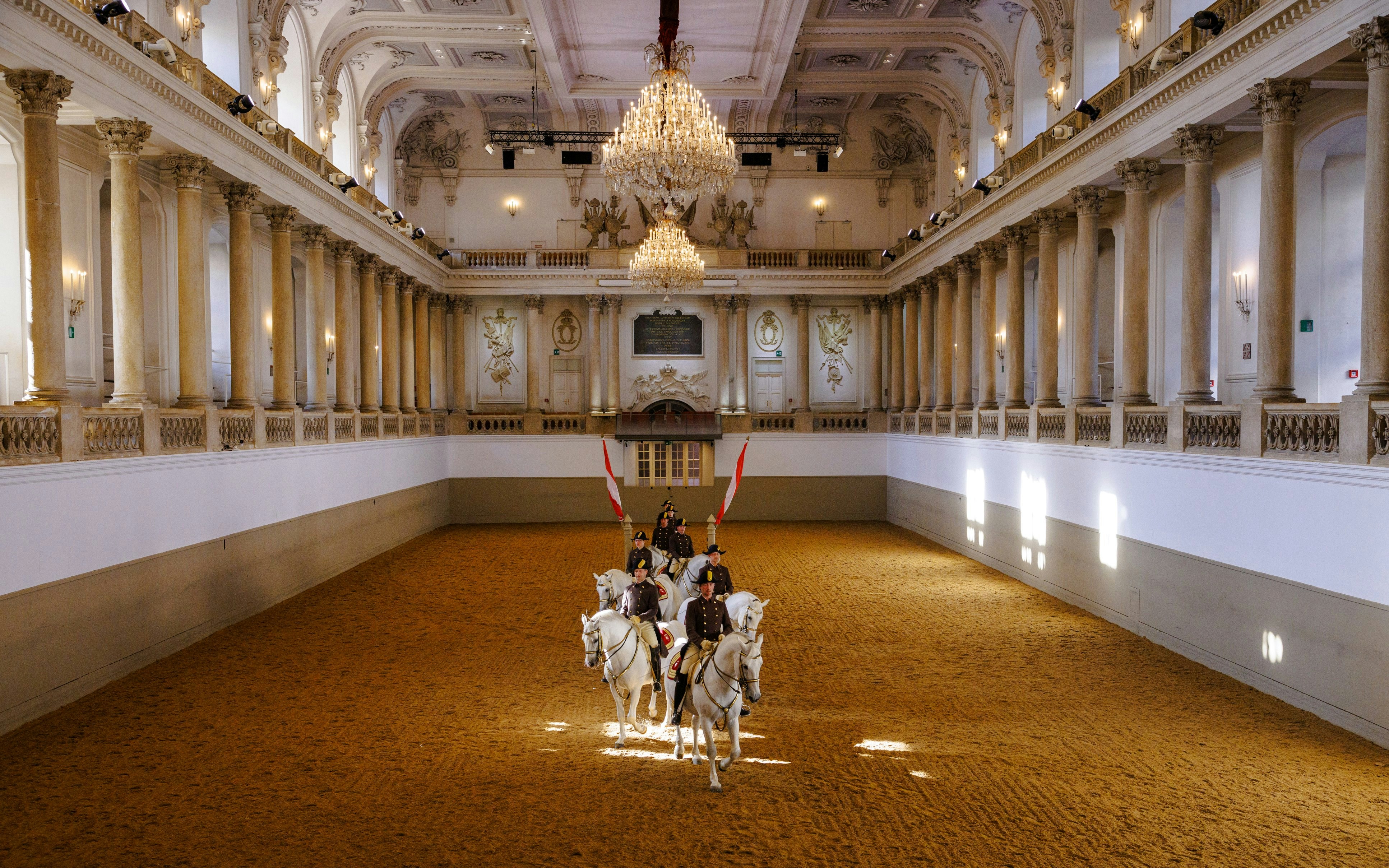
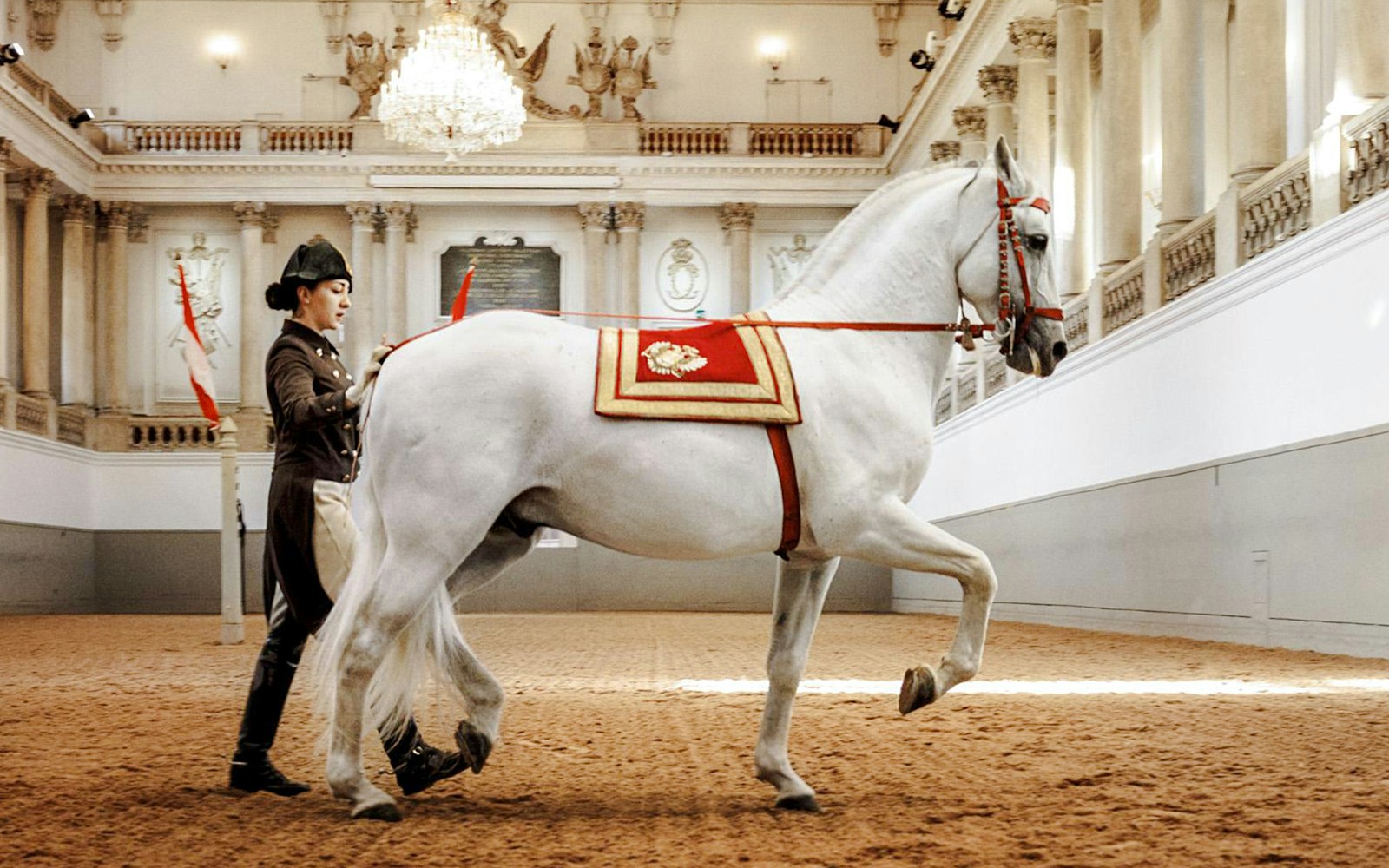
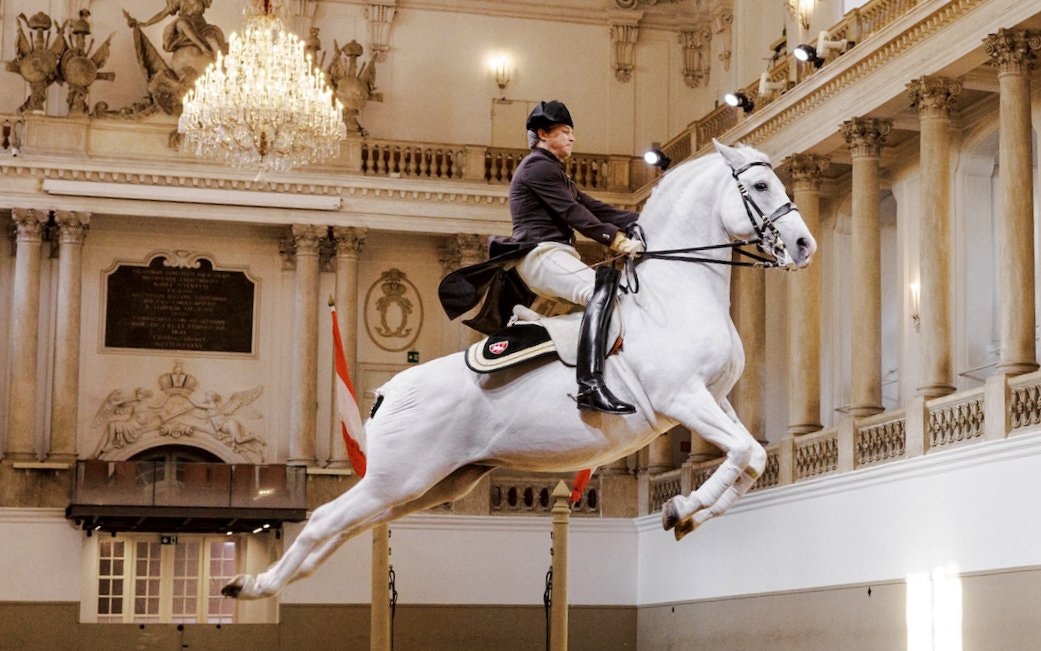
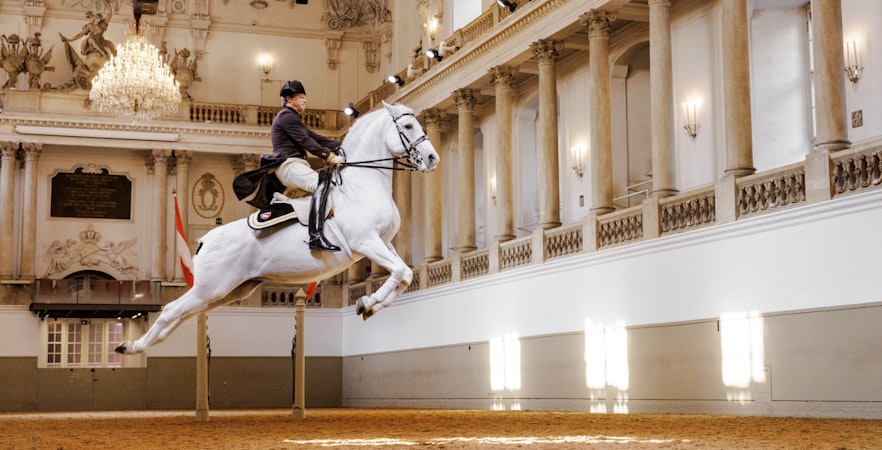
Lippizan horse performing at the Spanish Riding School, Vienna.
Discover the architectural beauty hidden inside Vienna’s Spanish Riding School

The Spanish Riding School is more than the home of the Lipizzaners. It’s also an architectural masterpiece. Step inside and explore its Late Baroque design on a guided architecture tour.
Book your spot now

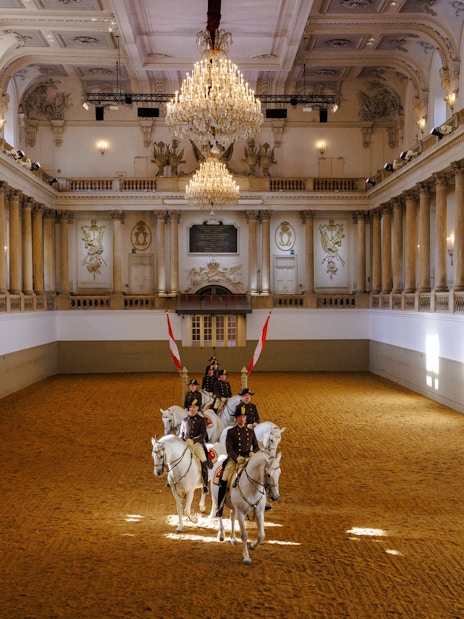
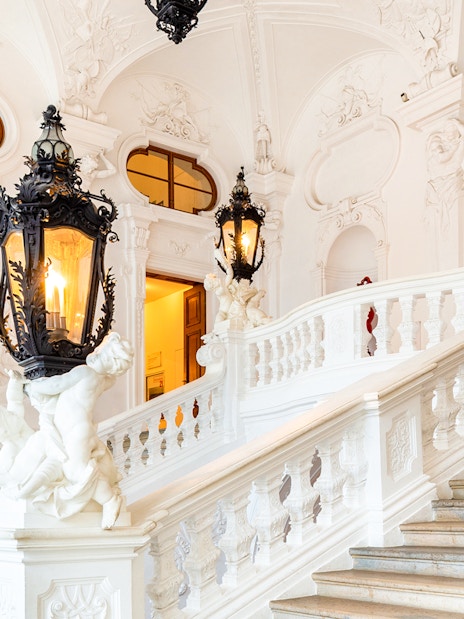
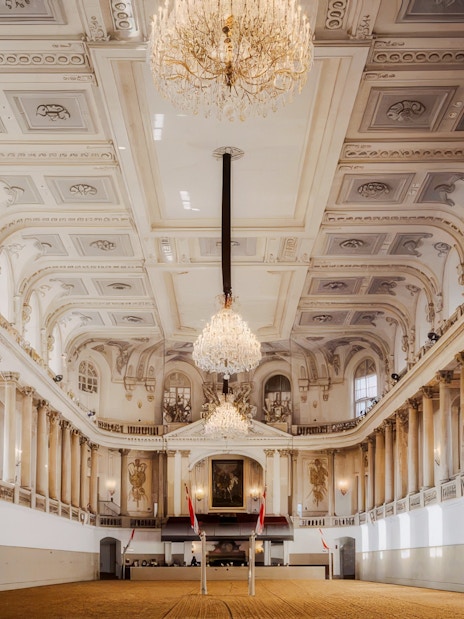
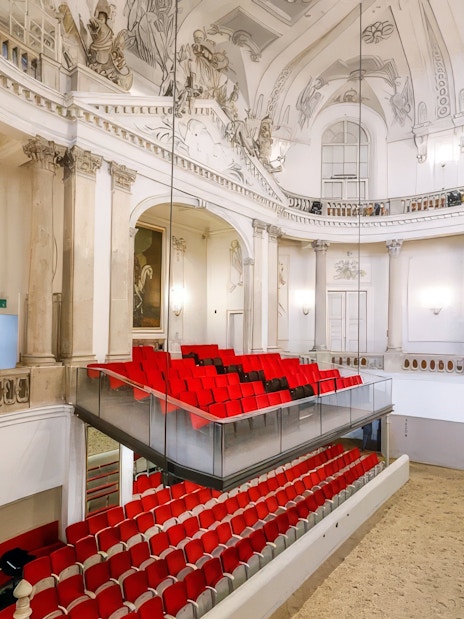
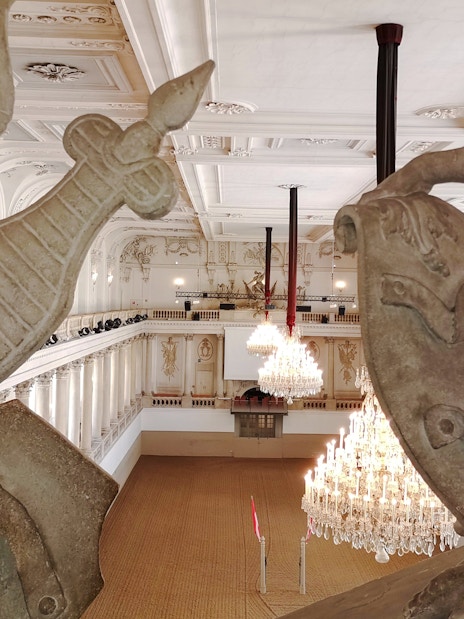
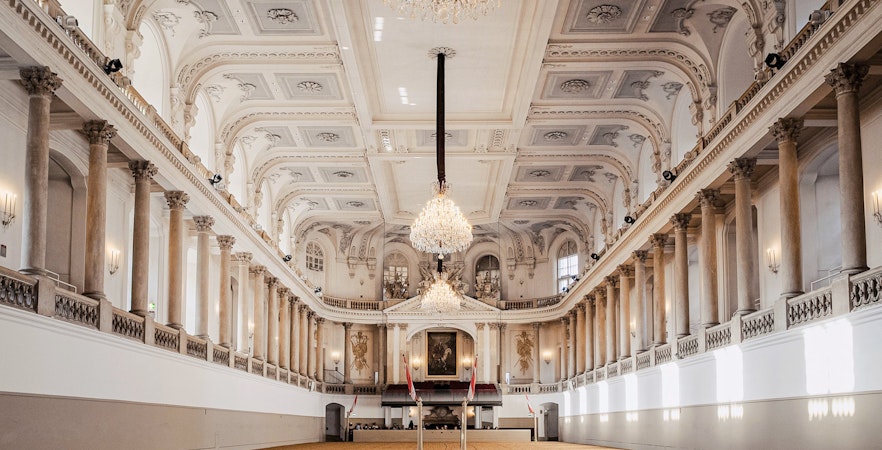
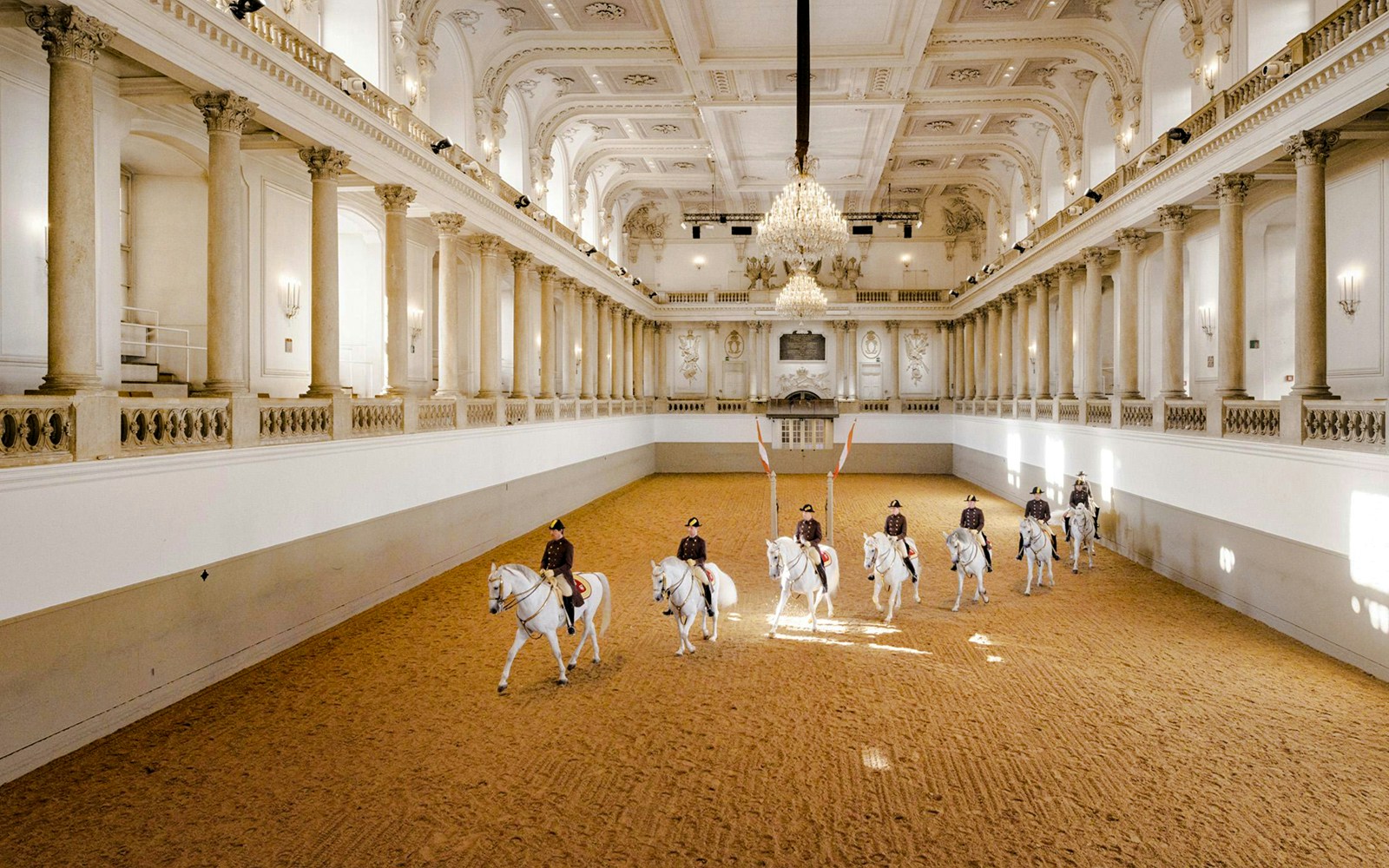
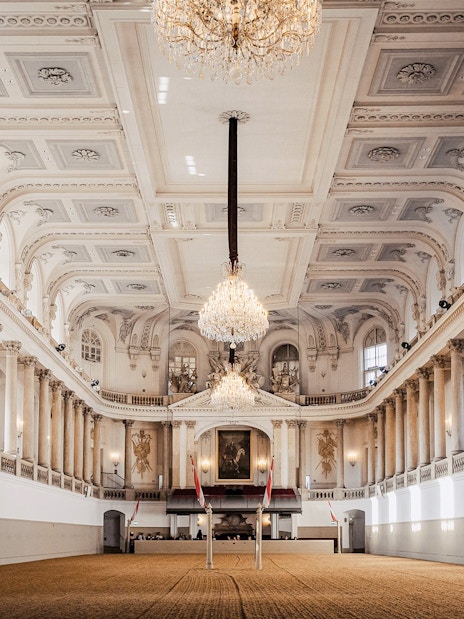
Spanish Riding School arena interior, Vienna, with chandeliers and ornate architecture.


The Spanish Riding School is one of Vienna’s most iconic institutions, where classical horsemanship, imperial architecture, and centuries-old traditions are still kept alive. Visit on a guided tour to explore its history and architecture, or attend a world-famous Lipizzaner performance.
Overview

  • Founded: 1572
  • Known for: Classical equitation in the Renaissance tradition
  • Horses: Lipizzaner stallions
  • Performances take place at: Baroque Winter Riding School
  • Architectural style: Late Baroque riding hall with Renaissance-era stables and original 18th-century roof structures
  • Experiences available: Performances, guided tours, architecture tours, behind-the-scenes visits

Why the Spanish Riding School, Vienna is a must-visit

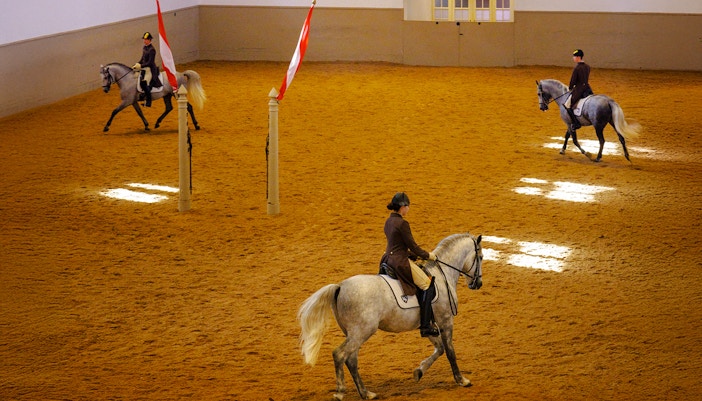
Lippizans performing at the Spanish Riding School arena in Vienna.
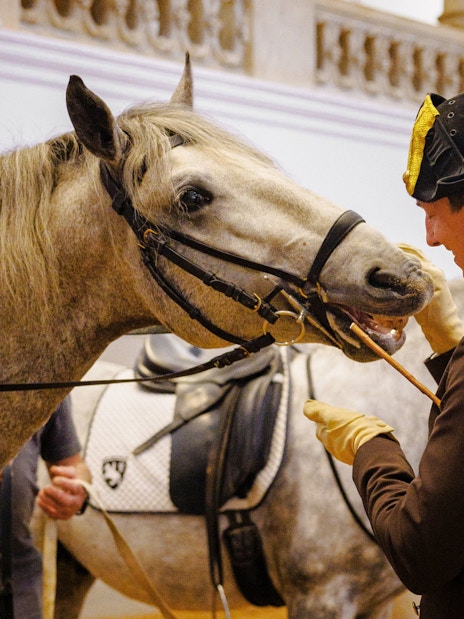
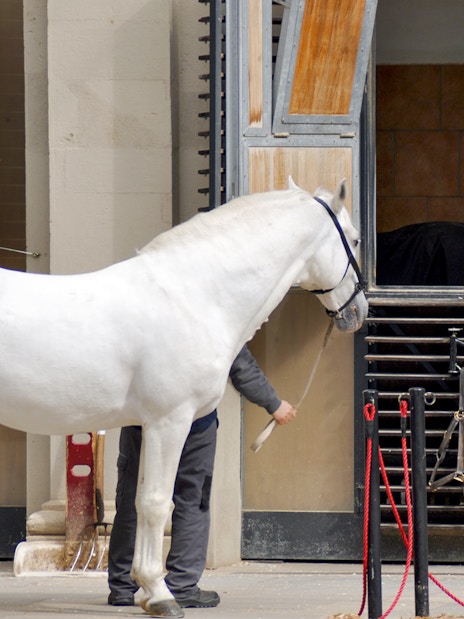
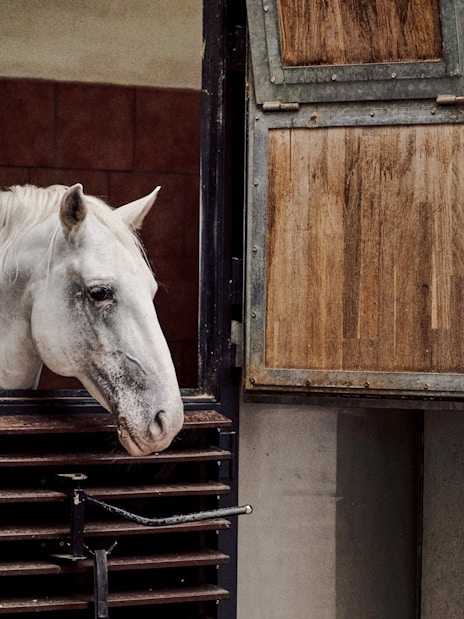
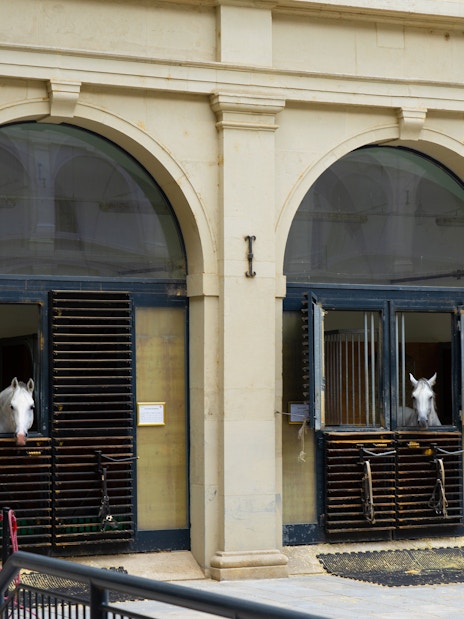
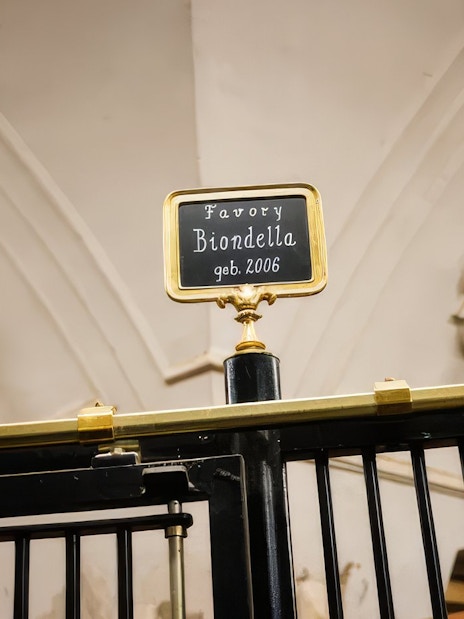
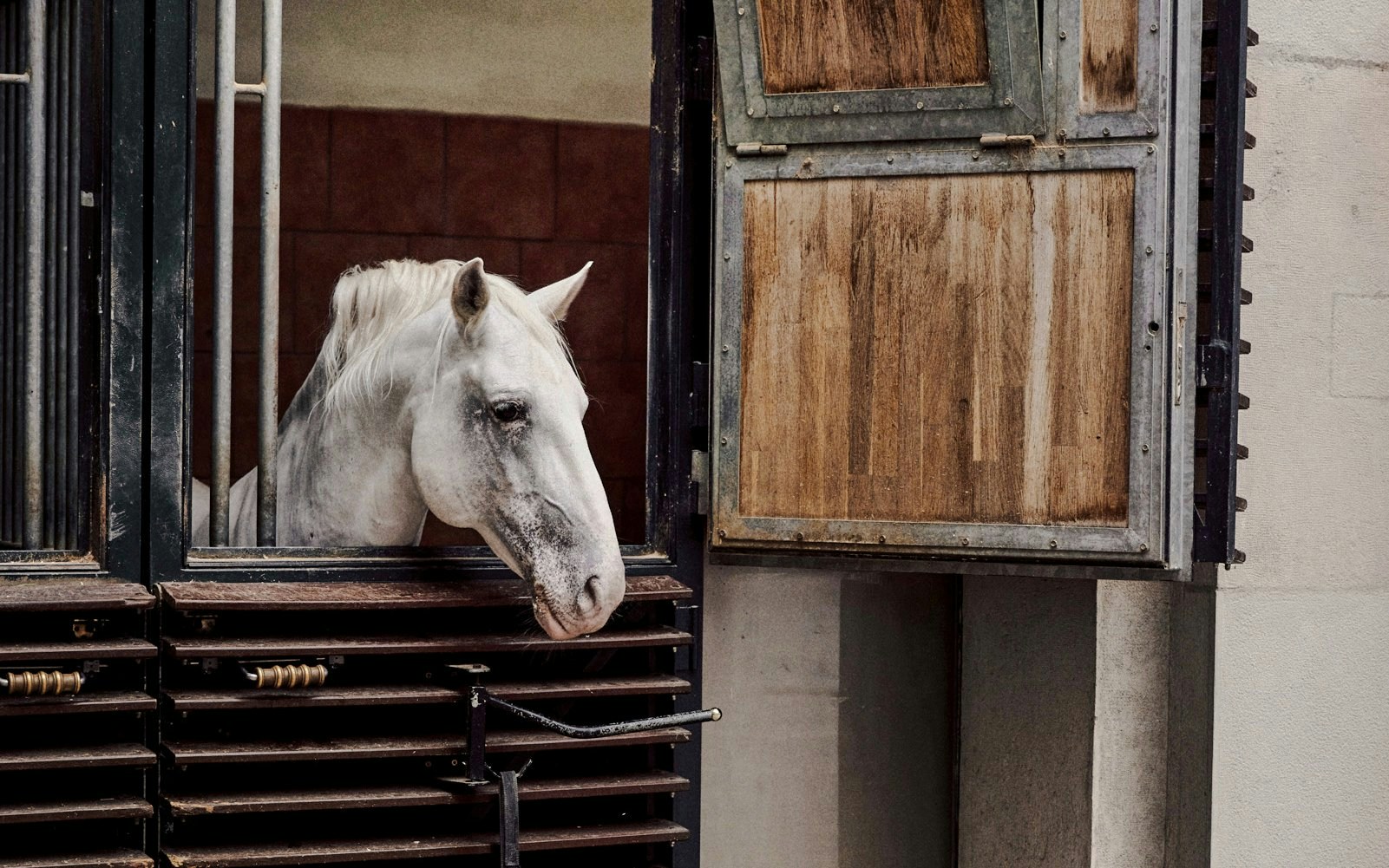
Two white horses in a stable at the Spanish Riding School, Vienna.
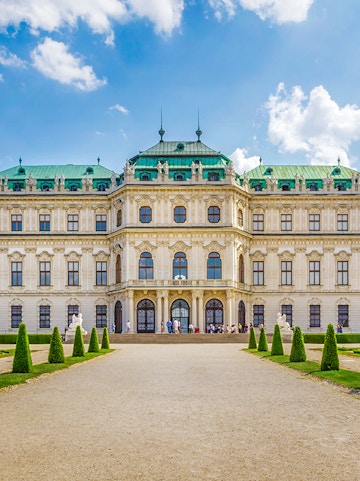
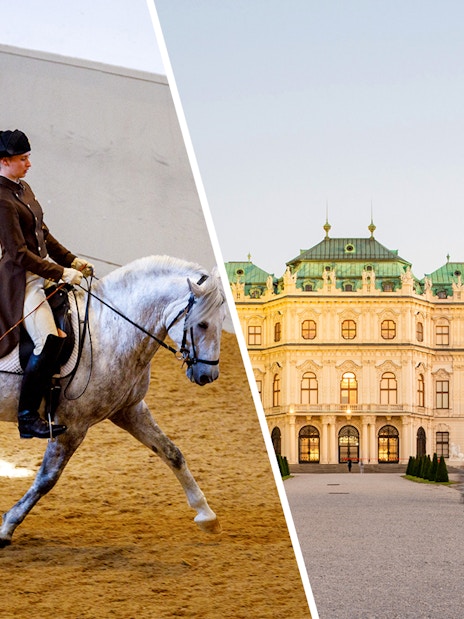
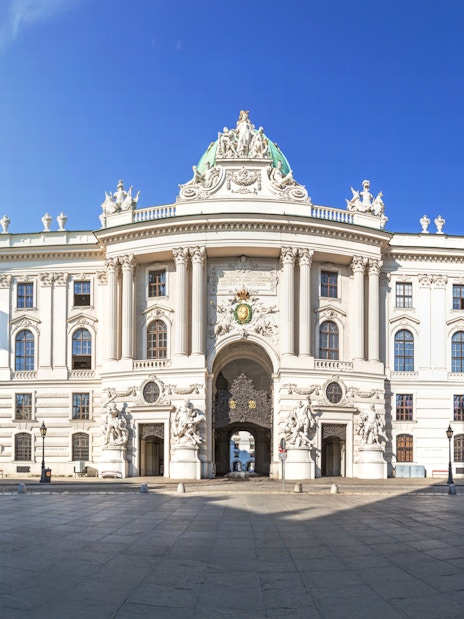
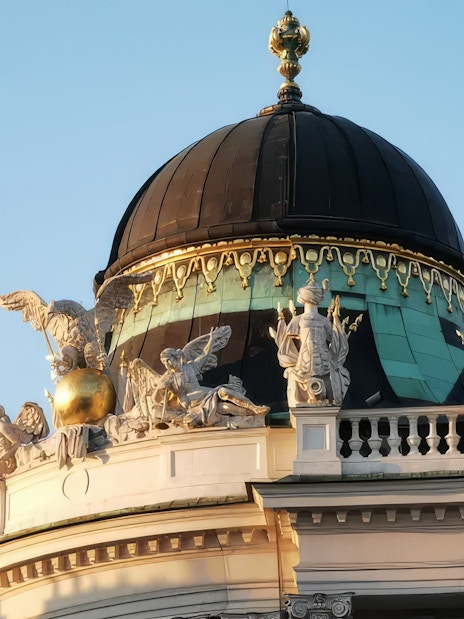
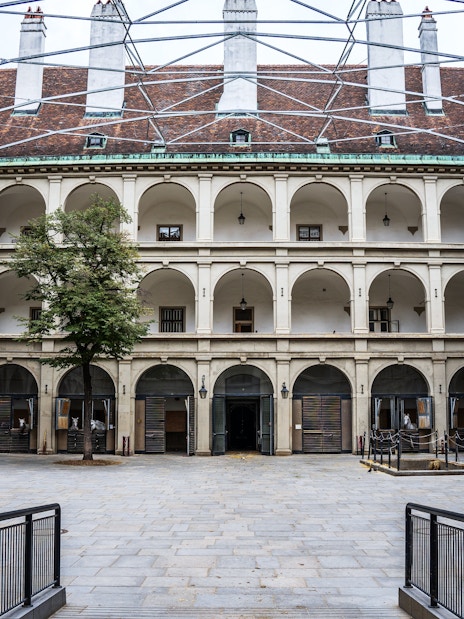
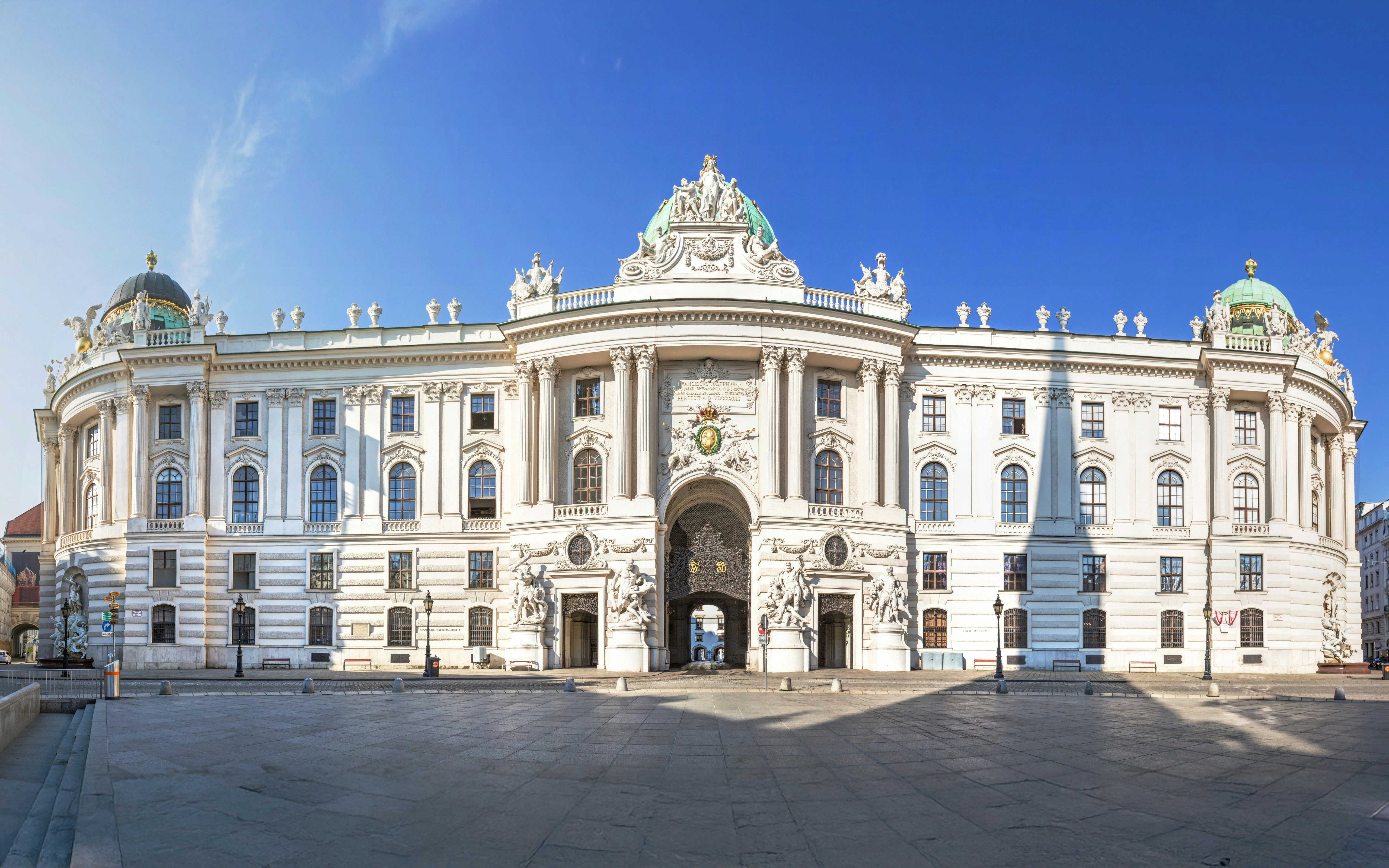
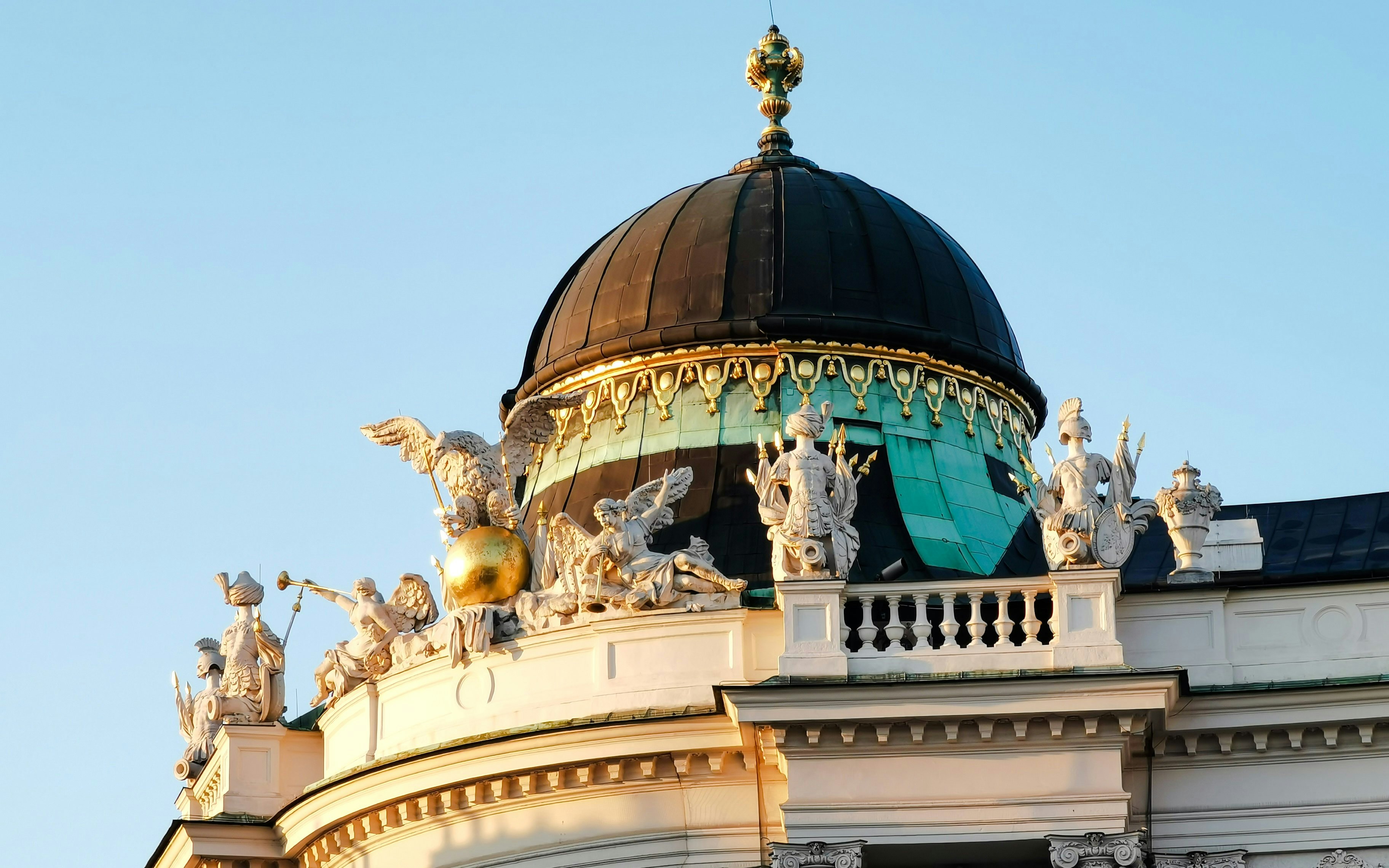
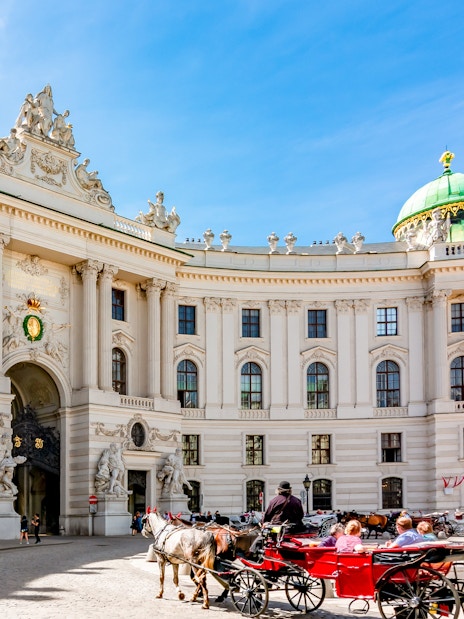
Hofburg Palace exterior in Vienna, home to the Spanish Riding School.
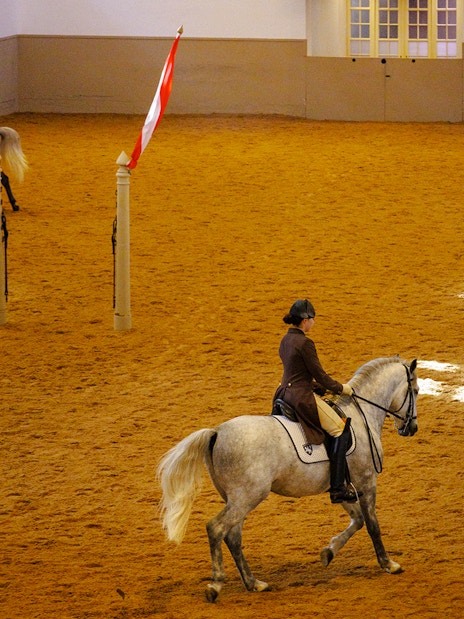
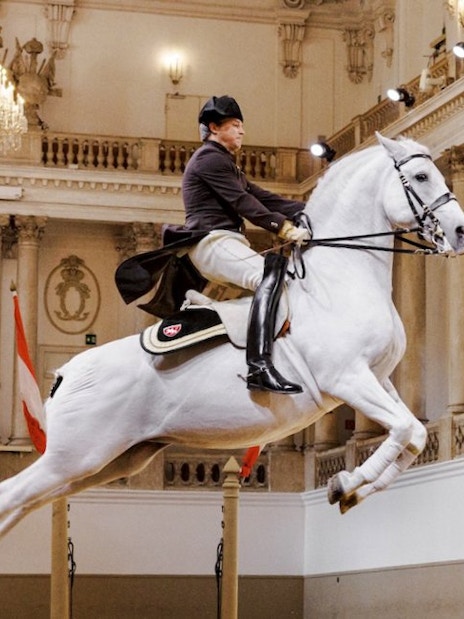
Lipizzaner horse performing at the Spanish Riding School, Vienna.
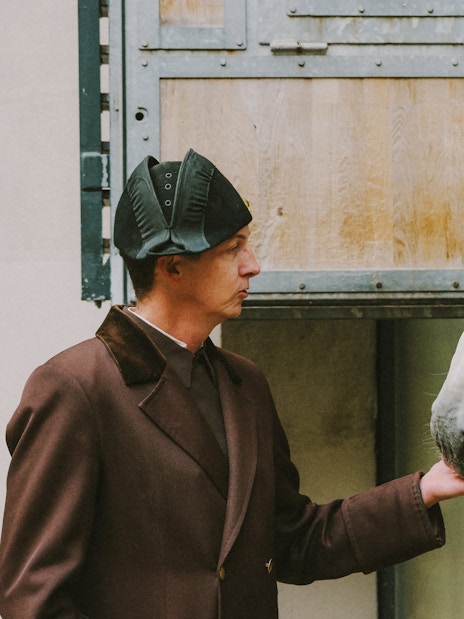
Guide leading a tour at the Spanish Riding School, Vienna.
1/5

A living 450-year-old tradition

The Spanish Riding School is a working institution where classical horsemanship has been practiced continuously since 1572. Every tour and performance connects you to a tradition that has survived empires, wars, and centuries of change.

The world of the Lipizzaner stallions

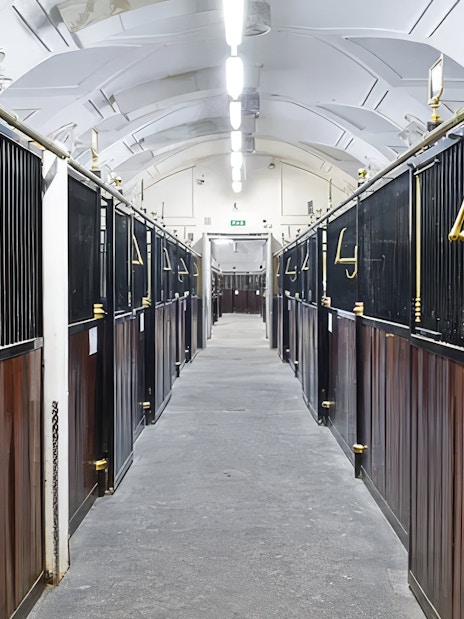
Home to the iconic Lipizzaner horses, the school offers rare insight into one of Europe’s oldest horse breeds. On guided tours, you can visit the stables and learn how young stallions train for years before performing the precise, powerful movements seen in shows.

Imperial architecture you can step inside

Set within the Hofburg Palace, the Spanish Riding School showcases Late Baroque and Renaissance architecture designed specifically for classical dressage. The architecture guided tour takes you into historic halls, roof structures, and spaces most visitors never see.

Stellar performances by the horses

Lipizzaner performances are staged in the Baroque Winter Riding School, often called the most beautiful riding hall in the world. Classical Viennese music, choreographed formations, and centuries-old exercises come together in a setting that feels distinctly imperial.

Guided tours that add meaning

Whether you choose a history-focused guided tour or a deep-dive architectural tour, expert guides help you understand what you’re seeing. You’ll learn about how the building works, why the horses move the way they do, and how tradition is preserved behind the scenes.

Things to know before booking Spanish Riding School tickets and tours

  • The standard guided tour is a 55-minute behind-the-scenes experience that takes you through both the Summer and Winter Riding Schools, along with the Stallburg, where the Lipizzaner stallions have been stabled since the 16th century. This option works best if you want a clear understanding of how the Spanish Riding School functioned in Imperial Vienna and how it continues to operate today.
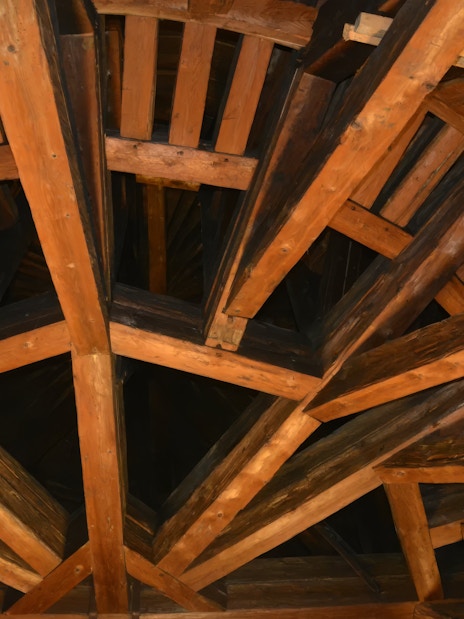
  • The Architecture Guided Tour is designed for those who are especially curious about Baroque design and engineering. In addition to the stables, it includes access to the monumental roof structure of the Winter Riding School, where original wooden trusses still support the hall. One highlight is a hidden attic window which is reachable only by ladder and offers a rare view over Vienna’s historic center.
  • The Lipizzaner Legends guided tour is a 70-minute historical deep dive focused entirely on the horses themselves. It traces more than 460 years of breeding, training, and imperial patronage, from the Habsburg court to international tours that brought the Lipizzaners global fame.
  • All guided tours are led by expert guides and are available in English or German.
  • In addition to guided tours, you can also watch Lipizzaner performances, where riders and horses demonstrate classical dressage movements developed over centuries. You can choose between 45-minute or 70-minute shows, with the option of seated gallery views or standing areas closer to the arena.
  • Alternatively, you can attend the morning exercises where you get to look at daily training of both young and experienced stallions practicing the fundamentals of the Haute École

Highlights of visiting the Spanish Riding School in Vienna

Spanish Riding School performance in Vienna arena with riders on white horses.

Baroque Winter Riding School

Built in the 18th century under Emperor Charles VI, the Winter Riding School is a masterpiece of Late Baroque design. Its white walls, symmetry, and natural light were intentionally created to frame classical dressage, turning equestrian movement into a form of living art.

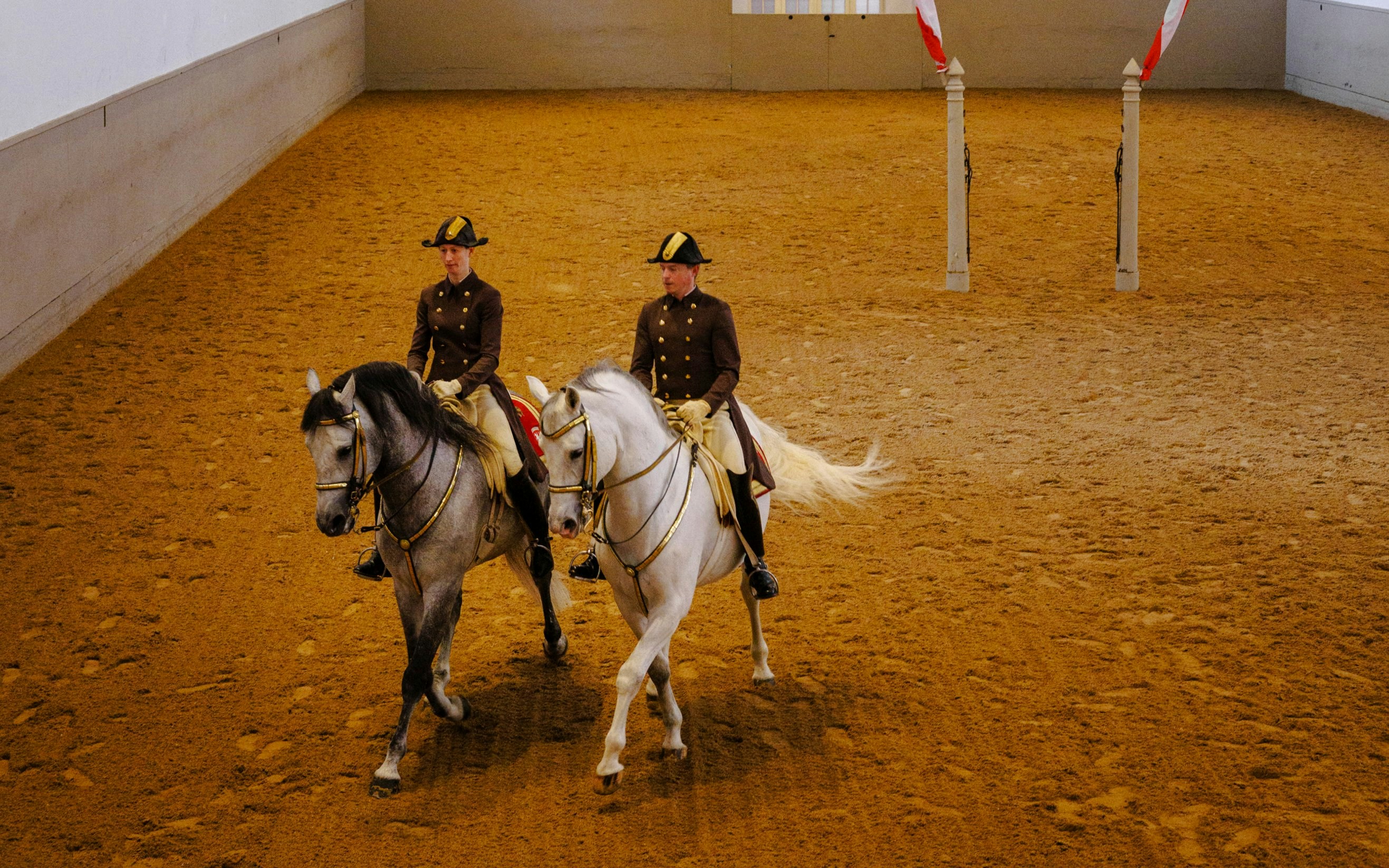
Lippizans performing at the Spanish Riding School in Vienna arena.
White horse in stable at Spanish Riding School, Vienna.
Dome exterior with sculptures, Spanish Riding School, Vienna.
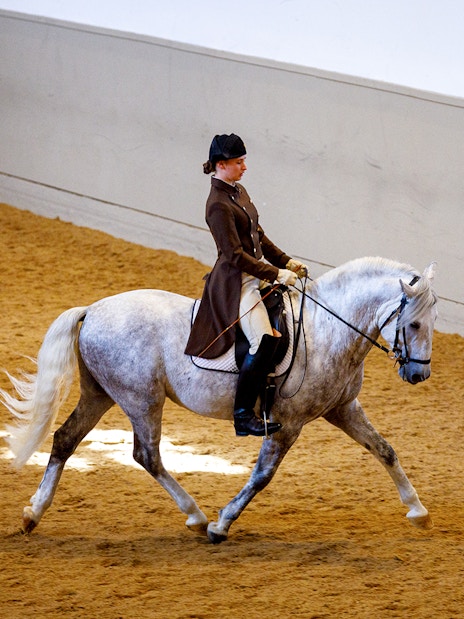
Lippizan horse performing at Spanish Riding School, Vienna.

What’s special about the Lipizzan horses?

They change color as they mature

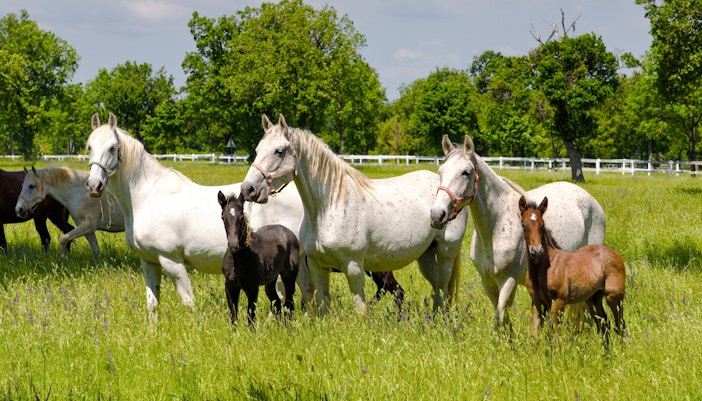
Lipizzaners are born dark, usually black, brown, or bay and gradually turn white as they age, typically between six and ten years old. This slow color transformation is the result of selective breeding and is one of the breed’s most distinctive traits.

Bred for strength, balance, and precision

Lipizzaners are compact yet powerful, with strong hindquarters and exceptional balance. These physical traits make them uniquely suited for the demanding movements of classical dressage, including jumps and lifts that require explosive strength combined with precise control.

They are trained over years

Lipizzaners mature slowly, both physically and mentally, which is why their training spans many years. Following Renaissance-era principles of the Haute École, riders focus on patience, repetition, and trust while preserving a tradition where mastery is measured in decades, not speed.

Interesting facts about the Spanish Riding School in Vienna 

  • It’s called the “Spanish” Riding School because of the horses. The name comes from the Spanish horses introduced to the Habsburg court in the 16th century. These Iberian bloodlines were later crossed with local and Neapolitan stock, forming what became the Lipizzaner breed.
  • The Winter Riding School was engineered as much as it was decorated. Its Late Baroque design isn’t just ornamental. The proportions, light, and acoustics were calculated so riders could communicate subtle cues to horses.
  • The roof above the arena has never been modernized. The massive wooden truss system above the Winter Riding School is original and held together without steel reinforcements.
  • One in 100 Lipizzaner horses remains brown even after they grow up. These rare brown stallions are considered good luck, and so the Spanish Riding School tries to keep at least one brown Lipizzaner in their stables at all times.
  • Lipizzaners don’t fully “graduate” until their teens. Unlike modern sport horses trained young, Lipizzaners often aren’t considered fully trained School Stallions until around age 10–12. This slow maturation is intentional and preserves both physical longevity and mental calm.
  • During WWII, Lipizzaners were evacuated across Europe to prevent them from being lost to bombing or starvation. In 1945, U.S. forces helped rescue them in what later inspired the Disney film Miracle of the White Stallions.
  • Classical dressage here predates modern competition rules. The movements performed today were developed for battlefield agility and courtly display, not sport. What you see in modern Olympic dressage traces its roots directly back to techniques preserved at the Spanish Riding School.
  • The Spanish Riding School is recognized by UNESCO not for its architecture, but for its living knowledge: the rider–horse relationship, training philosophy, and oral teaching methods passed down for generations.

Plan your visit to the Spanish Riding School, Vienna

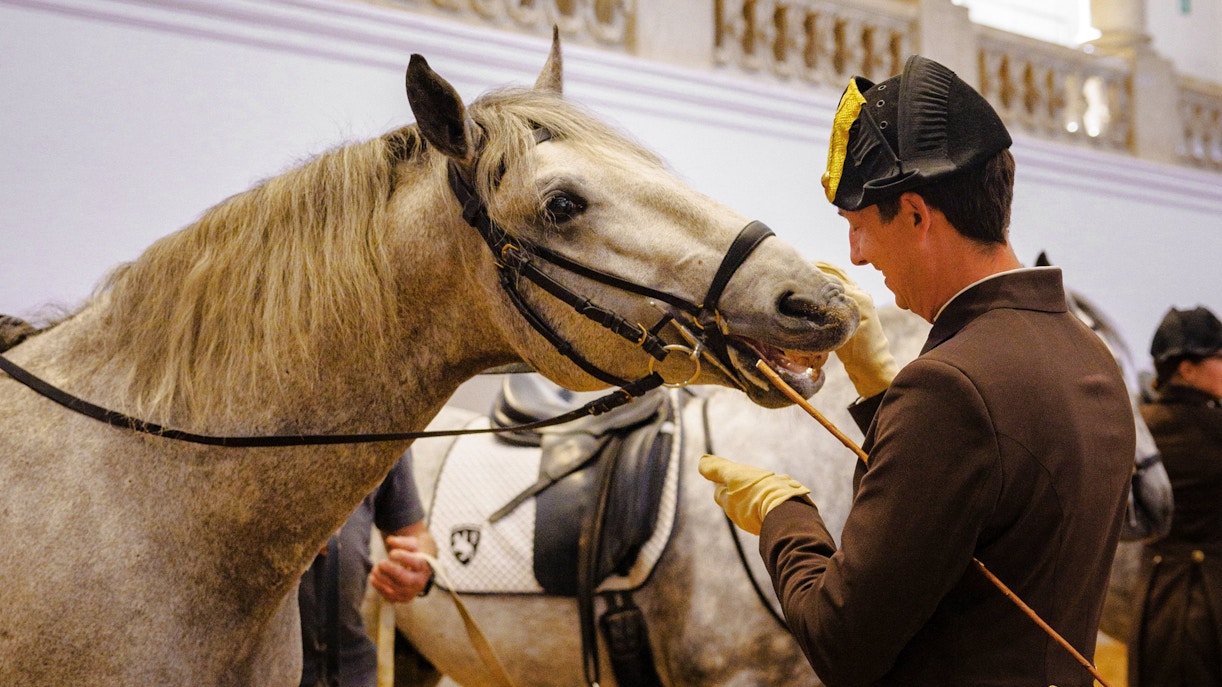
Horse training session at the Spanish Riding School, Vienna.

Visitor Centre:

  • Tuesdays to Sunday: 9am - 4pm

Souvenir Shop:

  • Tuesdays to Sunday: 9am - 4.30pm

Note: Both the Visitor Centre and Souvenir Shop are closed on 12, 19, 26, 27 and 28 January.

Address: Michaelerplatz 1 1010 Vienna | Find on maps

  • By tram: 1, 2, D, 62
    • Nearest stop: **Kartner Ring Oper stop
  • By metro: U1, U2, U3 and U4
    • Nearest stop: Stephansplatz (U1), Herrengasse (U3), Karlsplatz (U2 and U4)
  • By bus: 1A, 2A, and 3A
    • Nearest stop: Herrengasse (1A), Michaelerplatz (2A), Habsburgergasse (3A)
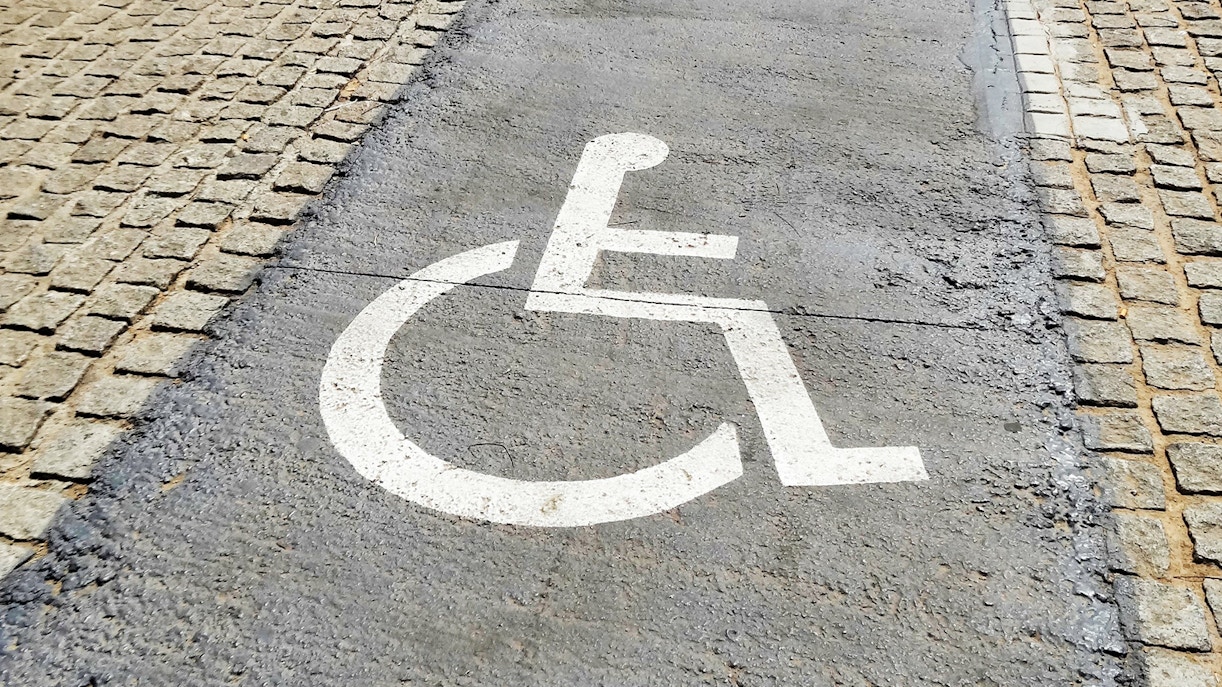
Wheelchair accessibility sign on a paved pathway.
  • There is a disabled parking space available near the inner courtyard.
  • There is a wheelchair accessible toilet near the visitor centre.
  • Due to limited accessible capacity, wheelchair users must email the Spanish Riding School in advance at office@srs.at. Access is only confirmed once written approval is received and must be shown when collecting tickets.
Facilities available at the Spanish Riding School Vienna
  • Restrooms: The Spanish Riding School has sufficient restrooms in the visitor center. 
  • Visitor center: You can approach the visitor center for information or assistance. It also has a cash desk for your convenience. 
  • Souvenir shop: You can buy souvenirs and mementos of your visit at the school’s gift shop.
Friends enjoying breakfast at Opéra-Grand Café Capucines in Paris.
  • Café Spanische Hofreitschule: Located within the Spanish Riding School premises, Café Spanische Hofreitschule is a great place to have a quick coffee and a strudel during your visit.
  • Ilona Stüberl: Ilona Stüberl, at a 5-minute walk from the riding school, offers hearty Hungarian fare. Their goulash and bean soup are crowd favorites.
  • Café Demel: No visit to Vienna is complete without trying its delicious pastries. Café Demel, a lovely 19th-century Viennese café, serves traditional pastries, scones, and strudels. Their apple strudel and sachertorte are not to be missed.
  • Restaurant beim Hofmeister:Restaurant beim Hofmeister, located just a 3-minute walk away from the riding school, is a great spot to try traditional Austrian cuisine, including perfectly breaded and fried schnitzel.

Insider tips for visiting

  • Performances focus on spectacle and atmosphere, while guided tours explain why things look and function the way they do. If context matters to you, pair a tour with a show.
  • The Winter Riding School feels very different when it’s quiet. Arriving early lets you appreciate its scale, symmetry, and light before attention shifts to the performance.
  • Watch the riders as much as the horses. Much of classical dressage is communicated through subtle cues like posture, leg pressure, and timing. Noticing the rider–horse dialogue adds depth to what you’re seeing.
  • Don’t expect constant movement during performances. Classical horsemanship values precision over speed. Some moments are deliberately restrained, allowing you to see balance, control, and discipline rather than nonstop action.
  • Photography is usually restricted during performances, but the architecture, courtyards, and exterior views around the Hofburg Palace offer excellent photo opportunities before or after your visit.
  • Treat this as a cultural ritual, not a sporting event. Applause is traditionally reserved for the end of movements or sequences.

Frequently asked questions about Spanish Riding School tickets and tours

Spanish Riding School tickets start from $19.54. Prices vary depending on whether you opt for a standing or a seating ticket in the arena.