Quick Information

RECOMMENDED DURATION

5+ hours

VISITORS PER YEAR

1500000

NUMBER OF ENTRANCES

3

EXPECTED WAIT TIME - STANDARD

0-30 mins (Peak), 0-30 mins (Off Peak)

UNESCO YEAR

2001

Plan your visit

Did you know?

The ‘Battle of the Kiss’: During World War II, most of the valuable artworks from the Belvedere collection, including Gustav Klimt's iconic painting ‘The Kiss,’ were evacuated to prevent them from being damaged or stolen by Nazi forces. This daring rescue mission, known as the ‘Battle of the Kiss,’ involved transporting the artworks to various hiding places throughout Austria.

Historic events: Over the centuries, the Belvedere Palace has been the setting for numerous diplomatic gatherings. It has hosted visits from emperors, kings, and other dignitaries, as well as lavish balls, receptions, and cultural celebrations. Today, the palace serves as a venue for prestigious events and exhibitions, maintaining its status as a cultural hub in Vienna.

Home to cultural institutions: The Belvedere Palace complex is home to several cultural institutions, including the Austrian Gallery Belvedere, which houses an extensive collection of Austrian art, ranging from medieval masterpieces to contemporary works. The palace also hosts concerts, lectures, and educational programs, further enriching Vienna's cultural landscape.

Book Belvedere Palace tickets

Upper Belvedere Palace Direct Entry Tickets

Book now, pay later
Flexible duration
Guided tour

Combo (Save 8%): Direct Entry Tickets to Upper and Lower Belvedere Palace

Flexible duration

Upper Belvedere Palace & Gardens Guided Tour with Direct Entry

Free cancellation
Book now, pay later
1 hr. 30 min.

Vienna Pass: Choose 1 to 6 Days

Free cancellation
Book now, pay later
Flexible duration
Audio guide

History of Belvedere Palace

The history of the Belvedere Palace goes back to the 17th century when the Prince of Eugene commissioned Baroque Architect, Johann Lukas von Hildebrandt, to build a summer residence. The construction work for the summer residence began in 1712, in what is today the Lower Belvedere, while the construction of Upper Belvedere began in 1717.

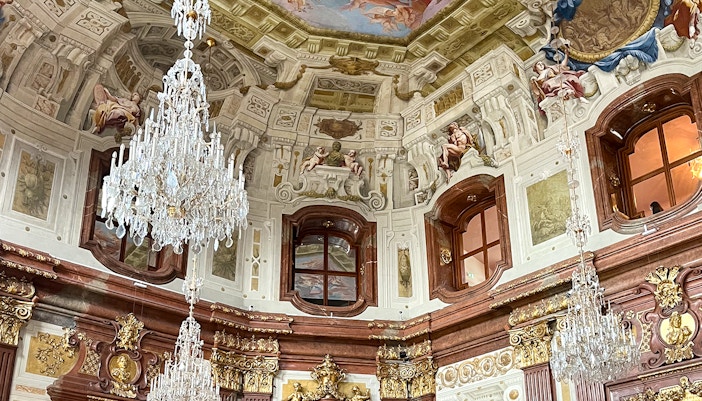
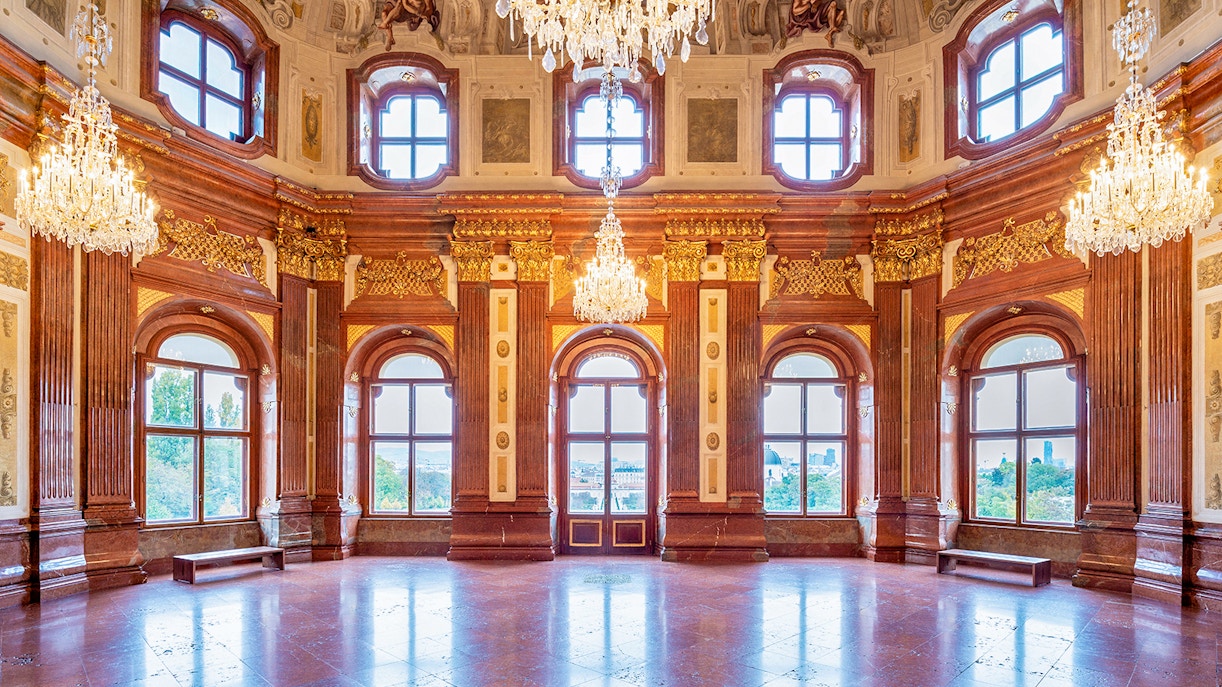
Prince Eugene also commissioned, Carlo Carlone, a pioneer of the Rococo style to paint the fresco ceiling of the Marble Hall. However soon after the Prince died in 1736, the museum was acquired by his niece, Maria Theresa, who converted the Upper Belvedere into one of the first public museums in the world.

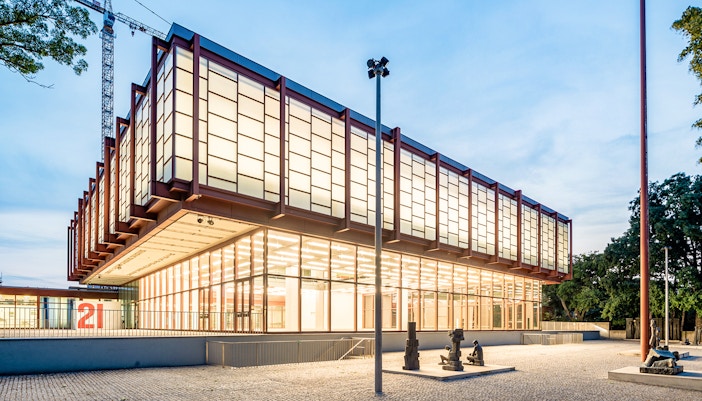
In 1908, the Imperial Ministry of Culture acquired the Palace’s most renowned pieces of Art- Gustav Klimt’s The Kiss. In 1845, during World War II, the Belvedere Palace became severely damaged and had to undergo renovation. The latest addition to the Belvedere Palace, the Belvedere 21 was built by the architect Karl Schwanze for the 1958 World’s Fair in Brussels.

Belvedere Palace architecture

Belvedere Palace About

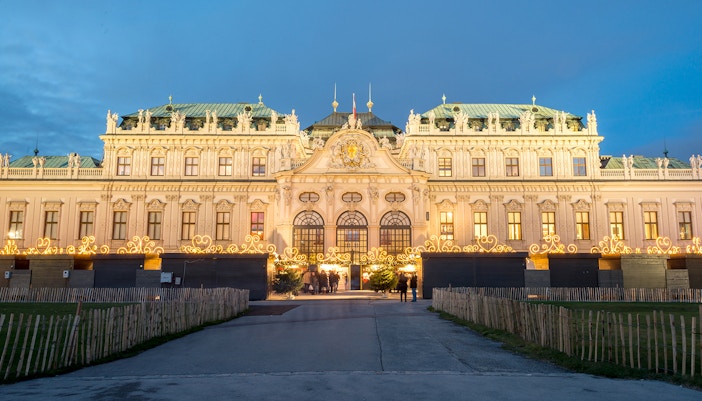
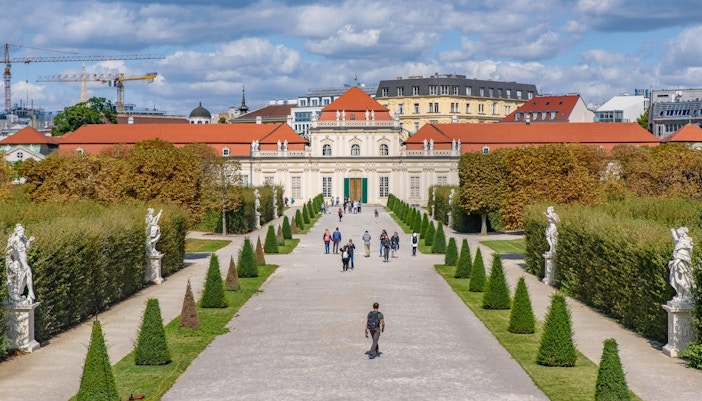
The Belvedere Palace is known for its ornamental Baroque architecture and for preserving the elements of other palaces in the 17th century. The stunning landmark was constructed by a renowned architect, Johann Lukas von Hildebrandt. In 1718, Dominique Girard, a French garden architect, was summoned for the construction of the Baroque Park. His expertise in the design of the garden and water technology is tangible in the Baroque Pearl.

The ceiling fresco in the Upper Belvedere Marble Hall was painted by the great pioneer of the Rococo style Carlo Carlone, while the recent Belvedere 21 was constructed by Karl Schwanzer. The building continues to be an icon of post-war modernism.
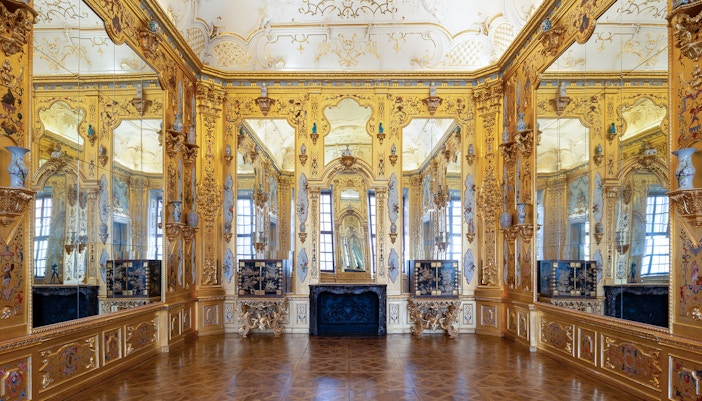
Inside the Belvedere Palace

Who built the Belvedere Palace?

The stunning Belvedere Palace was built by the Austrian Baroque architect, Johann Lucas von Hildebrandt. Johann’s work has a strong influence on the architecture of Central and Southern Europe. He was inspired by the architectural era in France of Louis XIV. Some of his other works of prominence include the Schonborn Castle near Gollersdorf, Schönborn Castle near Göllersdorf, and the episcopal residence at Wurzburg, Ger.

Belvedere Palace highlights

Upper Belvedere Palace

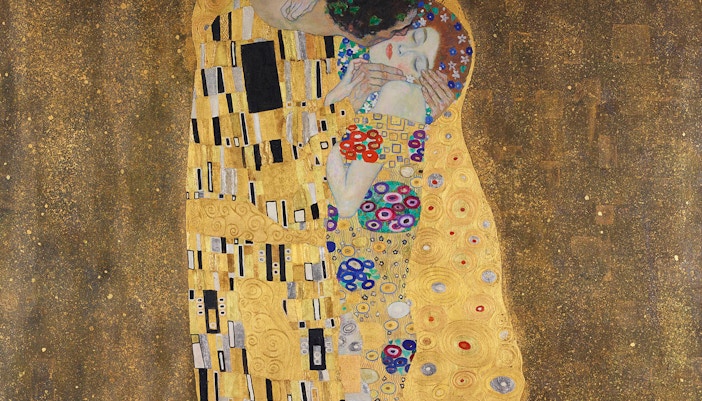
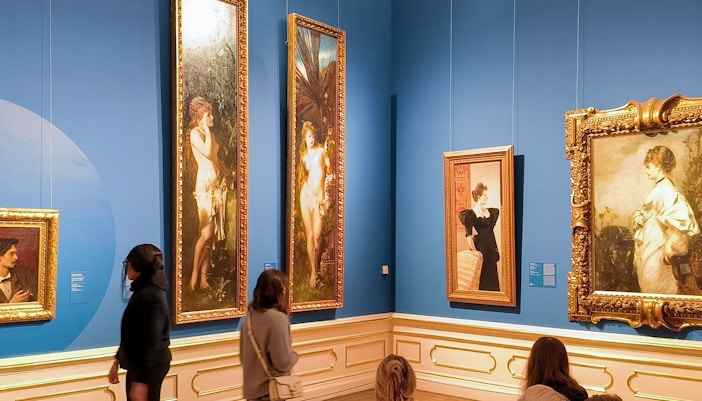
The Upper Belvedere section houses an extensive collection of Austrian art, particularly focusing on the 19th and 20th centuries. You can admire iconic works like Gustave Klimt's 'The Kiss', and 'Judith', as well as paintings by Egon Schiele and Oskar Kokoschka.

Visit Upper Belvedere Palace

Lower Belvedere Palace

The Lower Belvedere Palace hosts a diverse range of exhibitions, showcasing both historical and contemporary art. Here, you can explore temporary exhibitions featuring international artists, as well as thematic displays that delve into various aspects of art and culture.

Visit Lower Belvedere Palace

Belvedere 21 Museum of Contemporary Art

Originally built as a pavilion for the 1958 World Exhibition, the Belvedere 21 Museum is now part of the Belvedere complex and focuses on contemporary art. The museum showcases works by several Austrian and international artists, engaging visitors with thought-provoking contemporary themes.

Explore the Belvedere 21 Museum

What’s inside the Belvedere Palace?

The beauty of the Belvedere Palace is only enhanced when you enter the palaces to see the most valuable art collections that are exhibited there. Some of these masterpieces include:

Gustav Klimt’s The Kiss

The Imperial Ministry of Culture and Education for Modern Gallery acquired Gustav Klimt’s The Kiss in 1908. This artwork features Klimt and his muse, Emilia Floge. The aspects of love with subtle hints of the sensual energy shared between the two make for a painting that should not be missed while visiting the Belvedere Palace.

Belvedere Palace exhibitions

Character Heads by Franz Xaver Messerschmidt

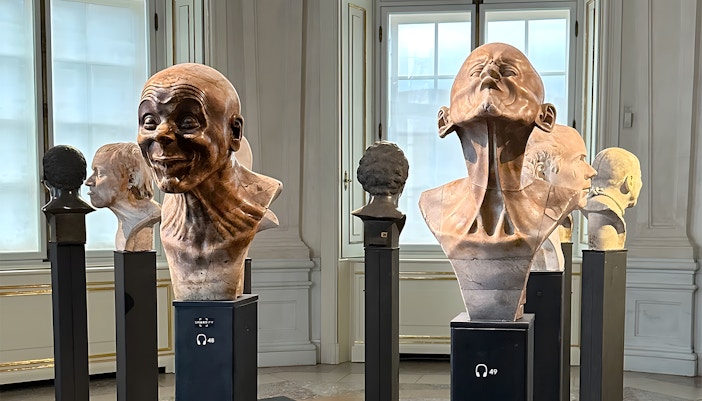
The Character Heads are displayed on the first floor of the Upper Belvedere. The 16 Character Heads on display in Belvedere show a series of avant-garde expressions. What some may rumor to be a product of the artist’s schizophrenia may as well be the artist’s genius imagination.

The Marble Hall

What initially served as the place for ceremonial receptions in its time, The Marble Hall is now a structure that shows the success of Prince Eugene as a commander. The Marble Hall also serves as a great place to see the view of Vienna.

Frequently asked questions about the Belvedere Palace

The Belvedere Palace is a historical complex building that served as the summer residence of Prince Eugene of Savoy in the early 17th century. The Palace now houses some famous art wonders from prominent artists.

More reads

Belvedere Palace opening hours

Book Now

Belvedere Palace history

Book Now

Belvedere Palace art collection

Book Now