Brief history of Spanish Riding School
1572 – The Spanish Riding School is first documented during the reign of the Habsburgs, marking the beginning of formal classical horsemanship in Vienna.
16th century – Spanish horses are brought to the Habsburg court, influencing breeding and riding styles; this is where the name “Spanish” Riding School originates.
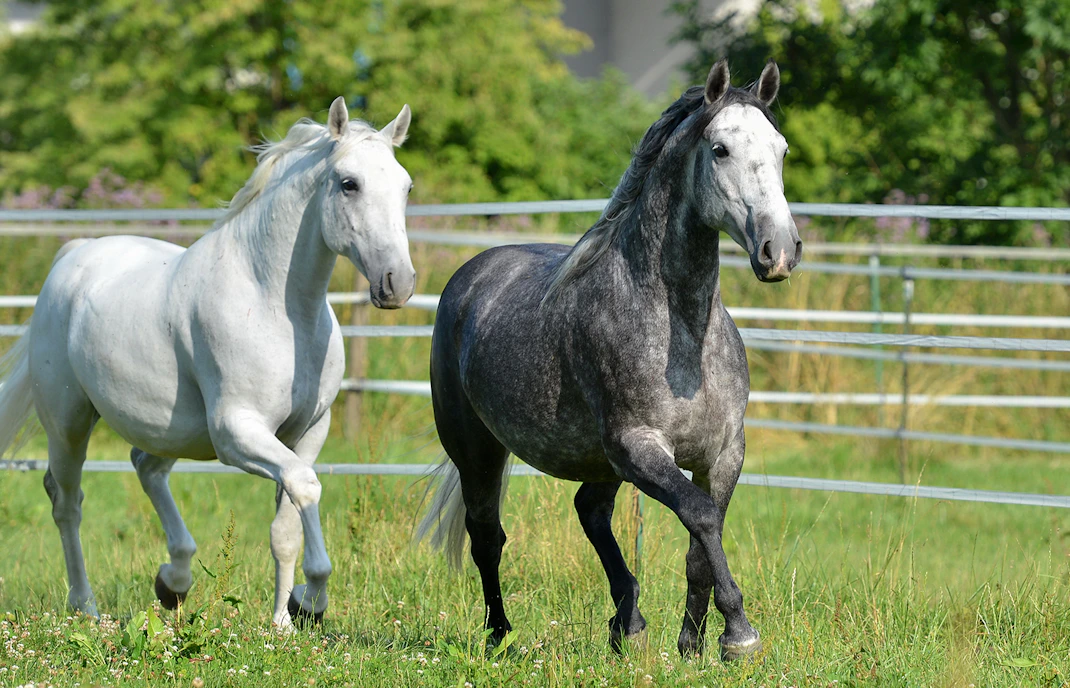
1580s–1600s – The foundations of the Lipizzaner breed are established at Lipica through careful crossbreeding of Spanish, Neapolitan, and regional horses.
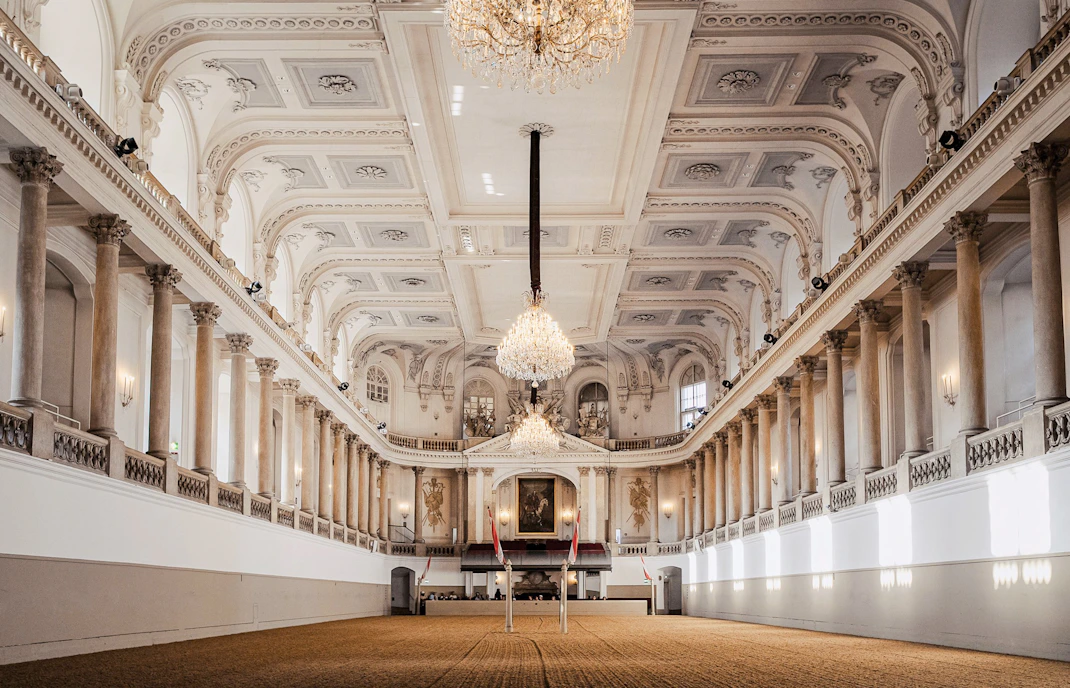
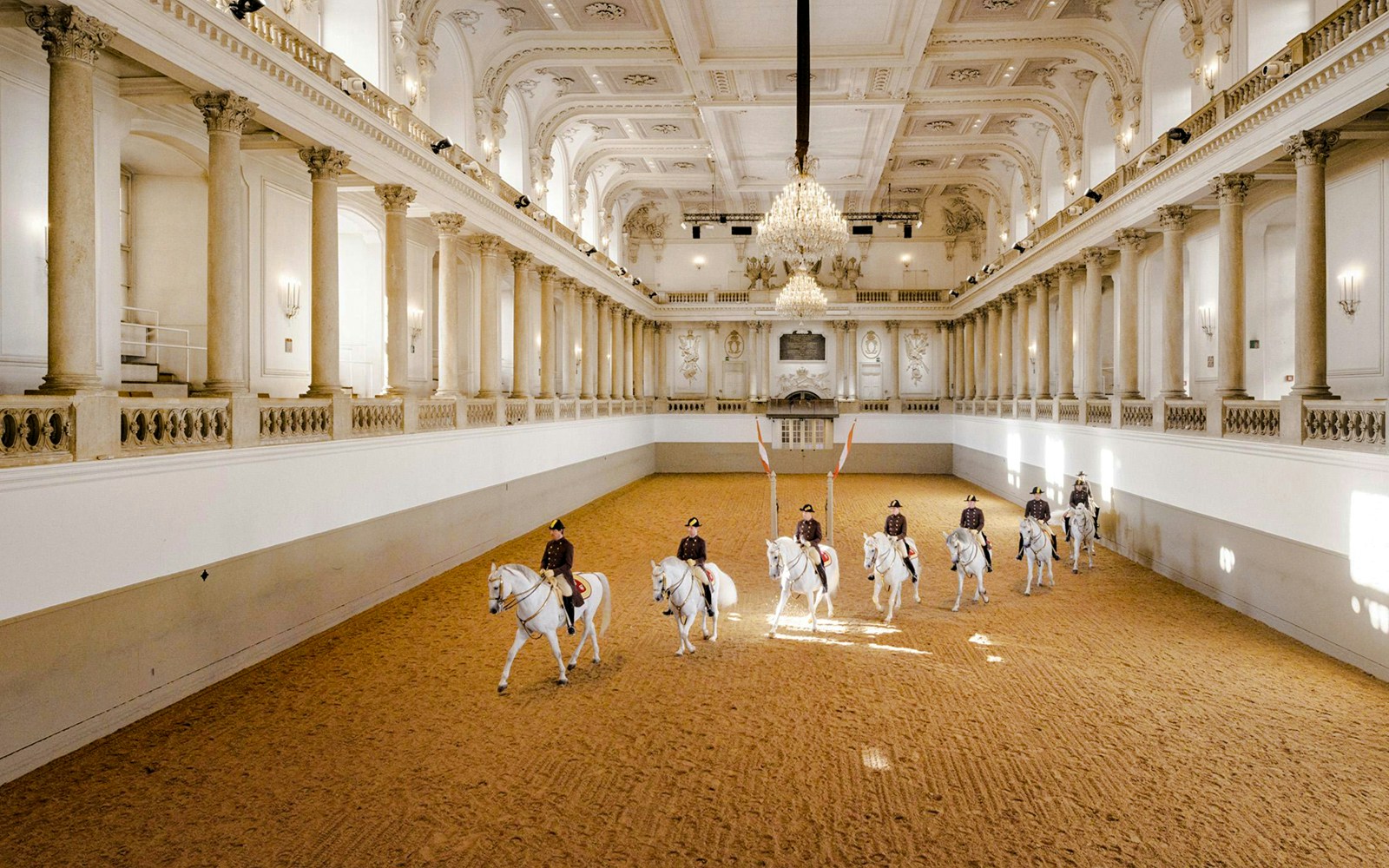
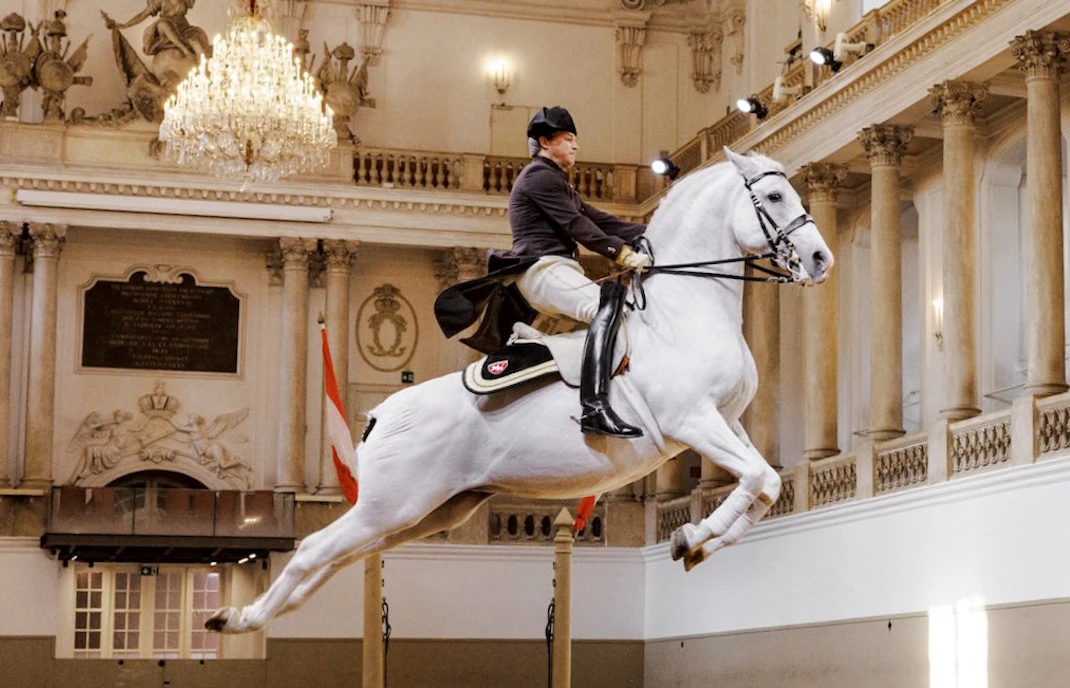
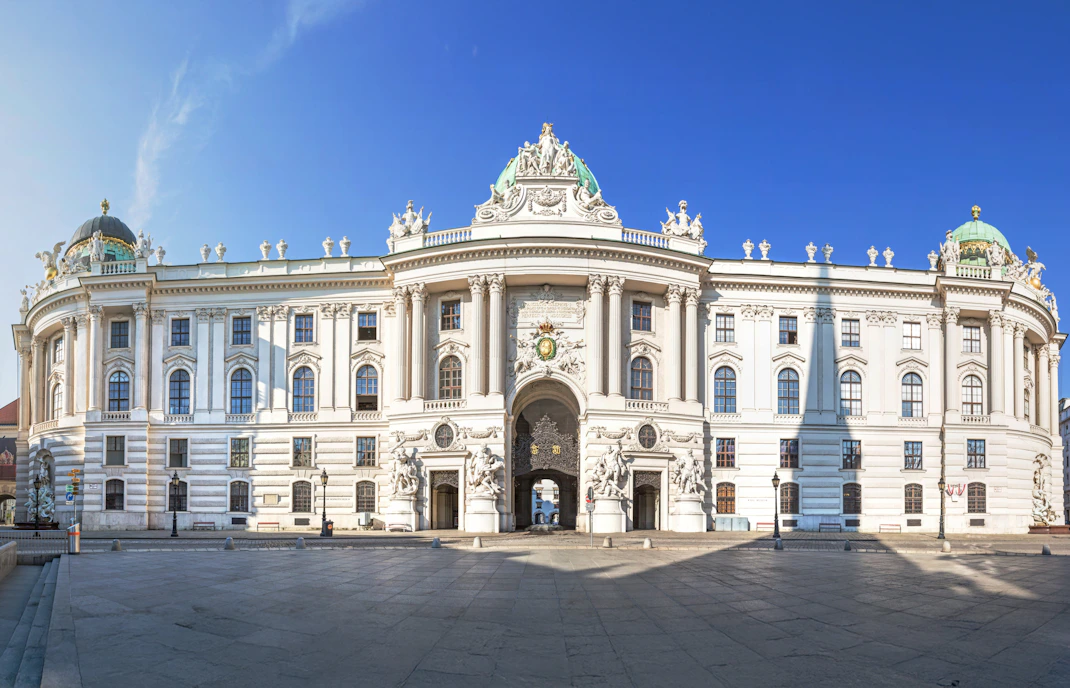
1729–1735 – The Baroque Winter Riding School is constructed under Emperor Charles VI, designed specifically for classical dressage and imperial performances.
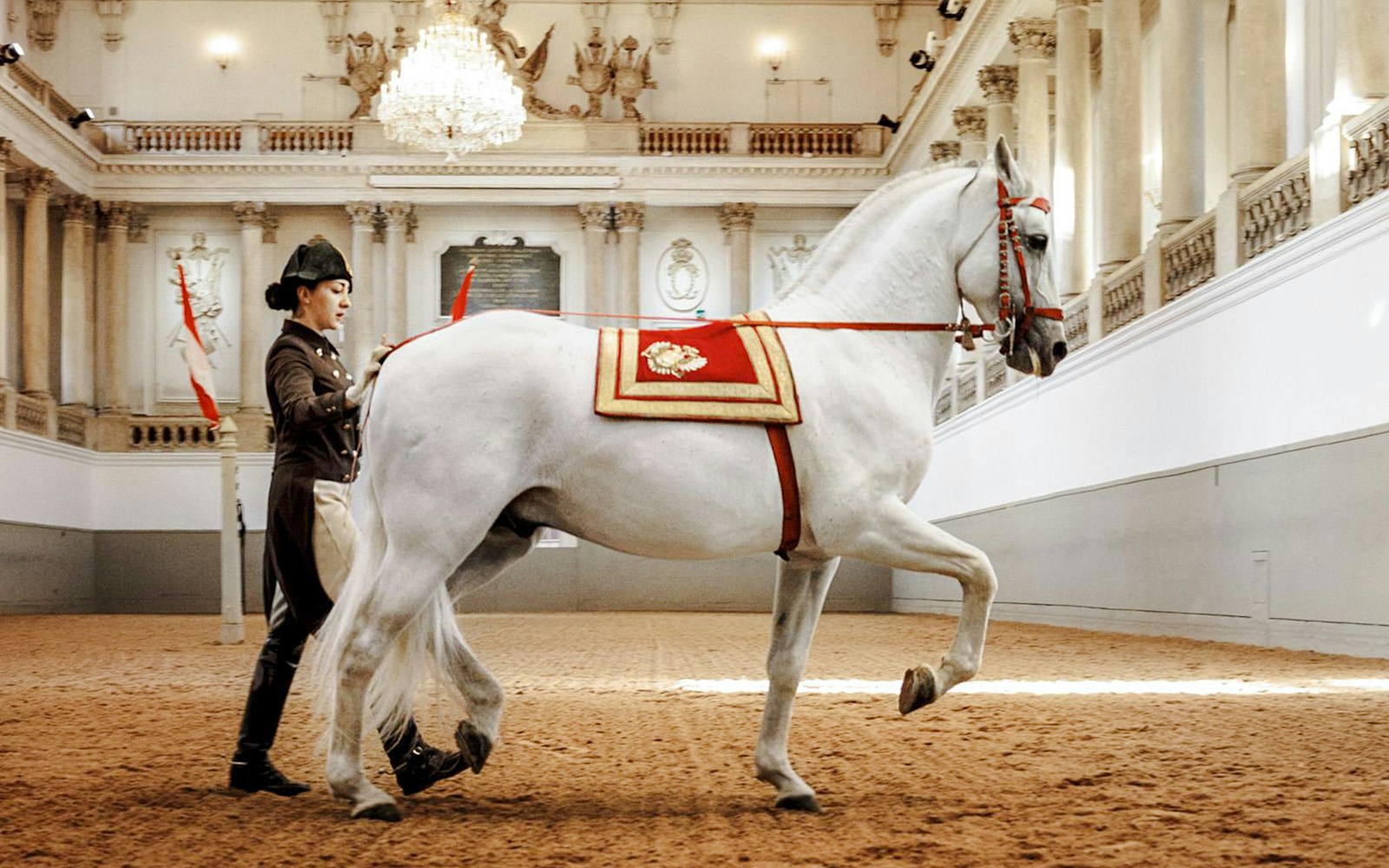
18th–19th centuries – The school becomes a symbol of imperial Vienna, refining the Haute École tradition and formalizing training methods still used today.
1918 – Following the fall of the Austro-Hungarian Empire, the Spanish Riding School survives the end of the monarchy and transitions into a state-supported cultural institution.
World War II (1939–1945) – Lipizzaner horses are evacuated multiple times across Europe to protect the breed from wartime destruction.
1955 – The Spanish Riding School reopens fully after post-war reconstruction, reaffirming its role as a cultural landmark of Austria.
1969 – The Lipizzaner stallions tour the United States and Canada, introducing classical Viennese dressage to international audiences on a large scale.
2015 – Classical horsemanship of the Spanish Riding School is inscribed on UNESCO’s Representative List of the Intangible Cultural Heritage of Humanity.
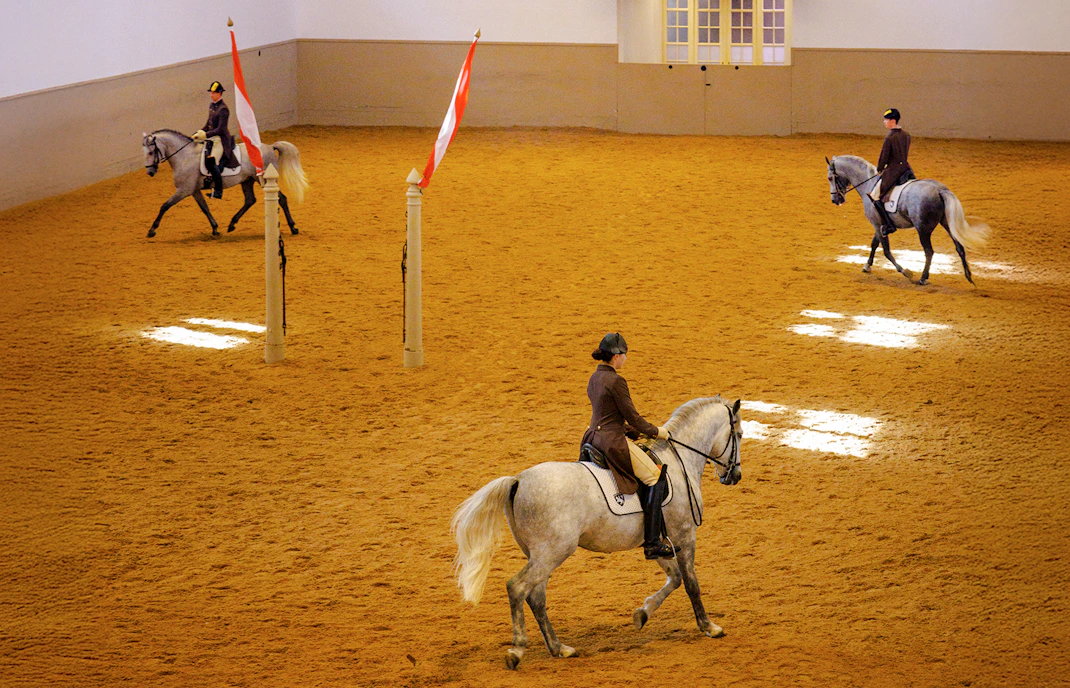
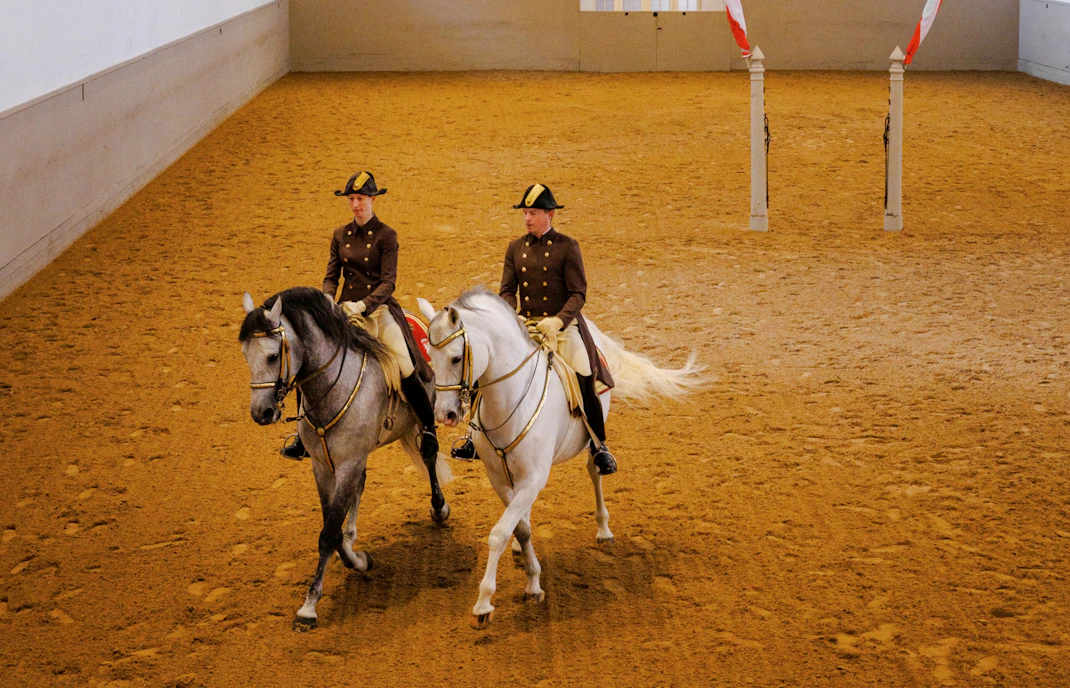
Today – The Spanish Riding School continues daily training, guided tours, and performances, preserving a 450+ year-old living tradition in the heart of Vienna.