Wien Tickets

Encounter the world’s most fascinating animals in Vienna Zoo

African elephant

African elephant

Status: Vulnerable
Zone: Elephant House
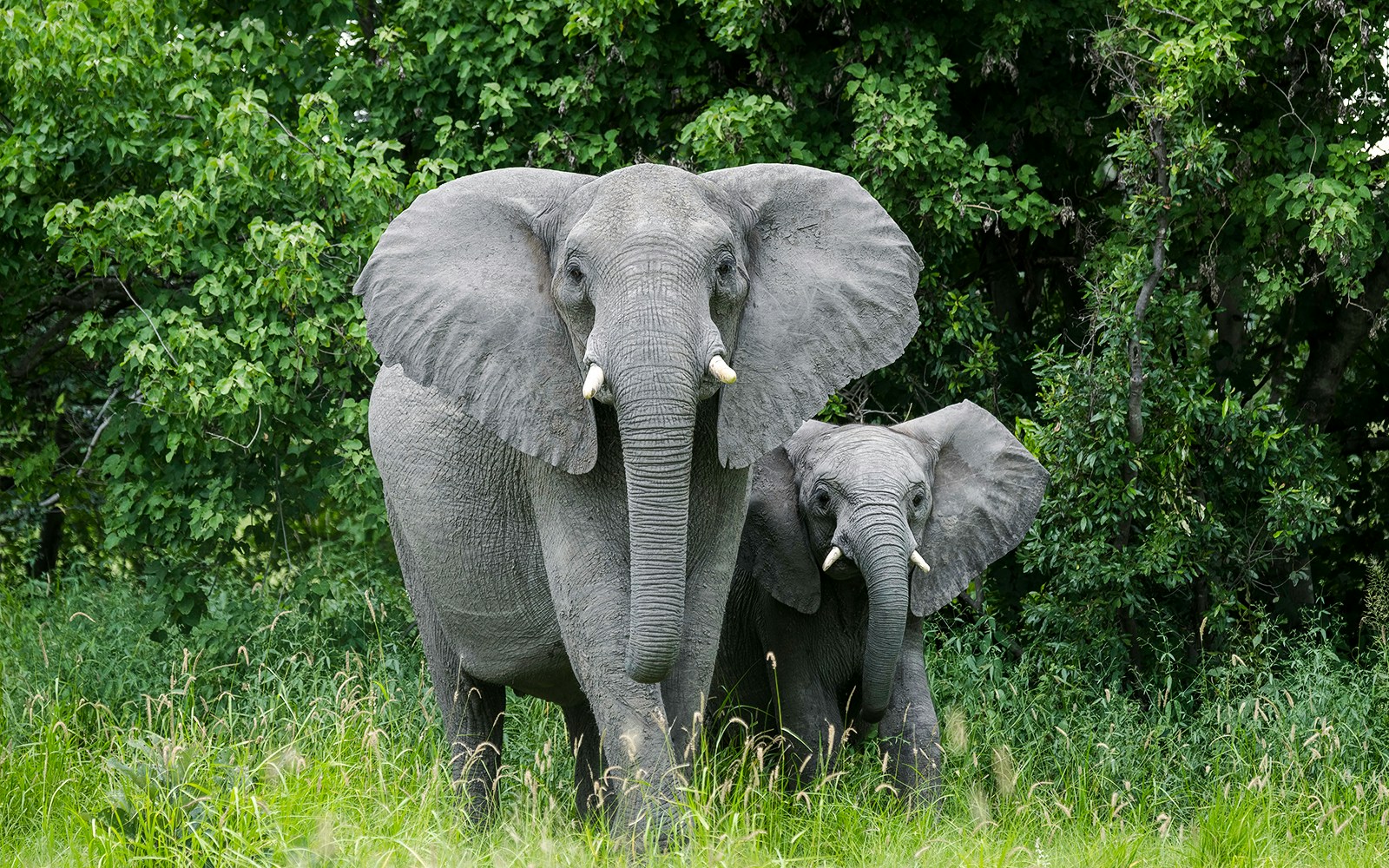
These gentle giants stroll around their sprawling enclosure, munching on shrubs, and rolling around in mud. Watch out for their impressive trunk showers- you might just get a friendly bath!

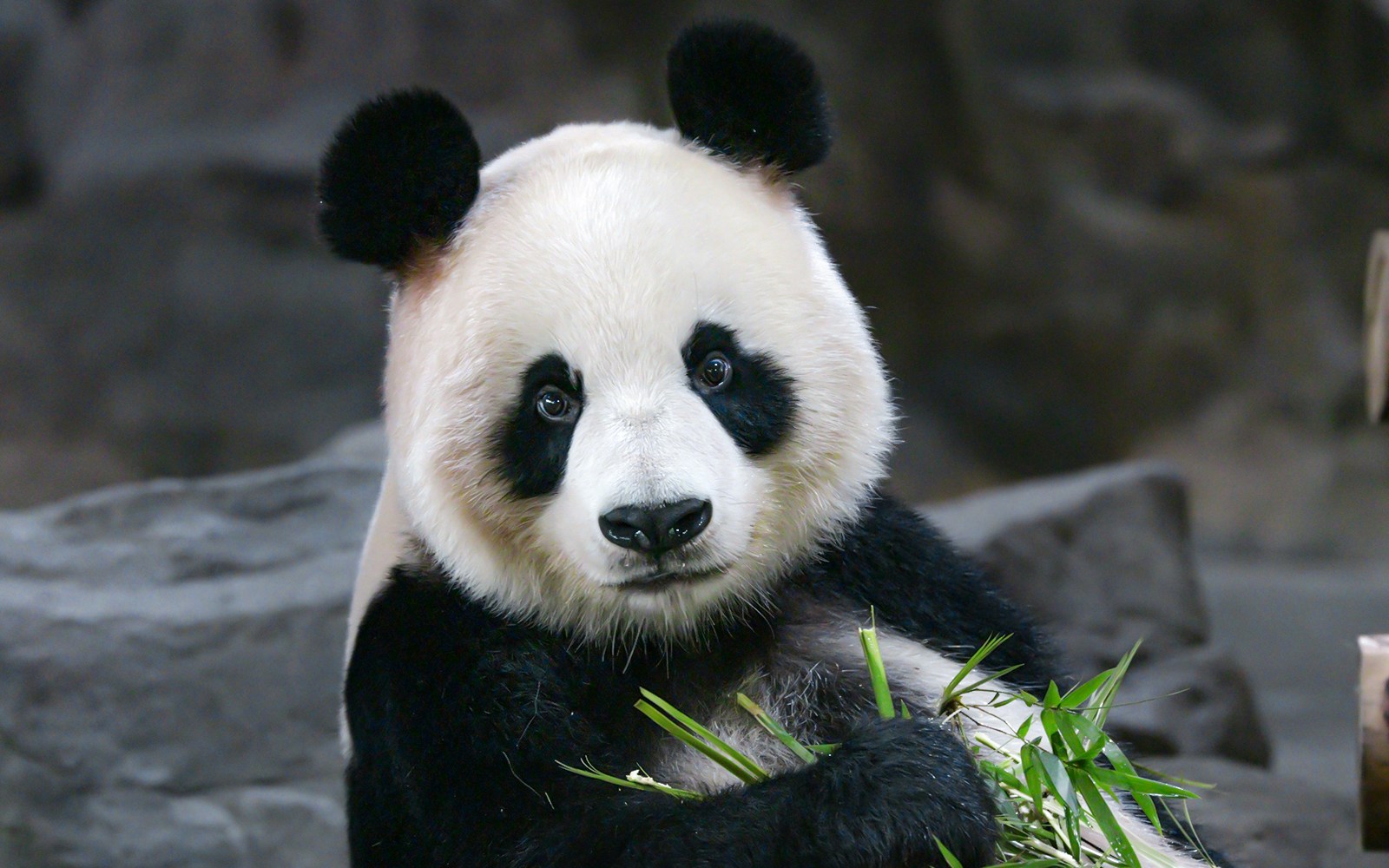
Giant panda
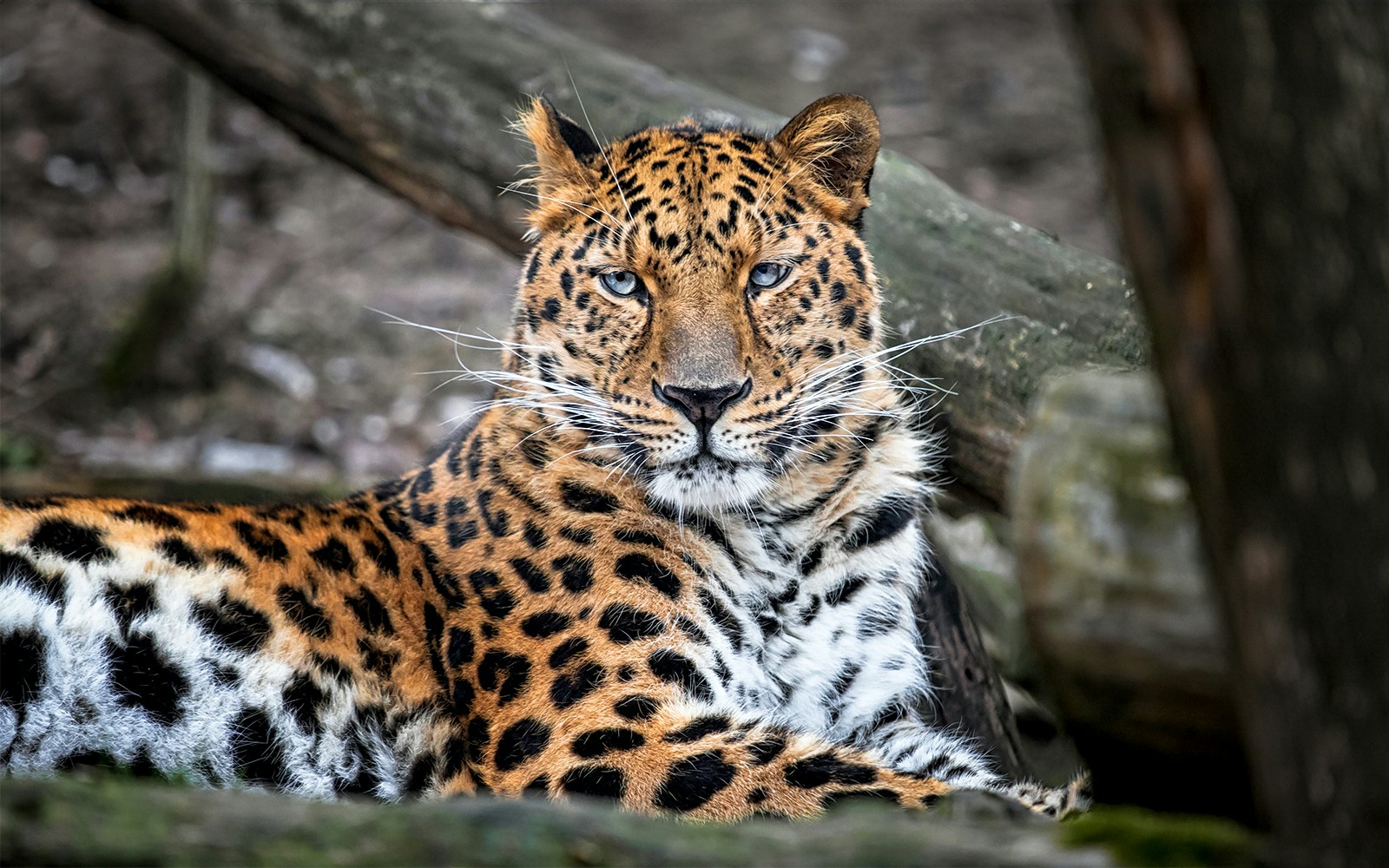
Amur leopard
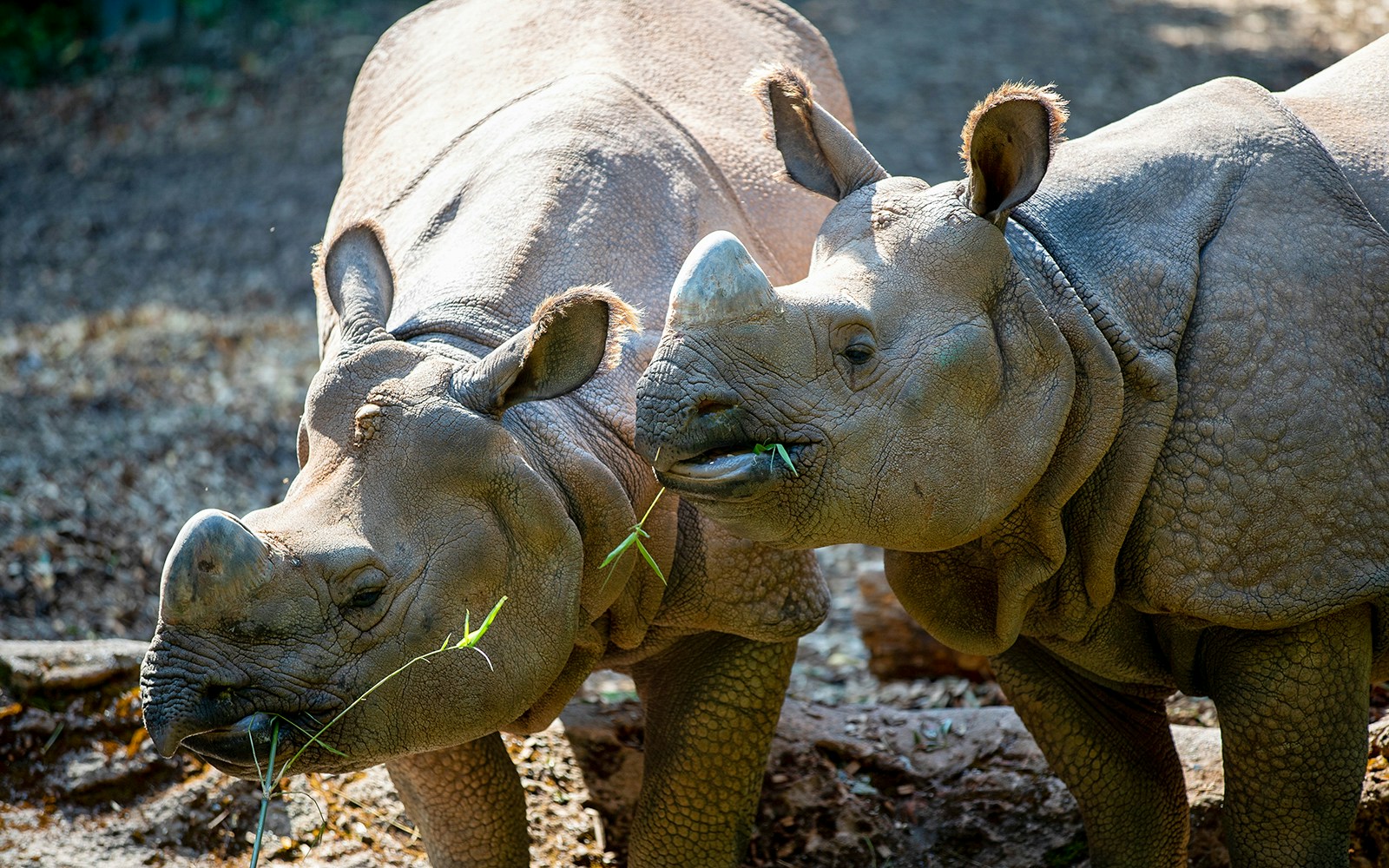
Indian one-horned rhinoceros
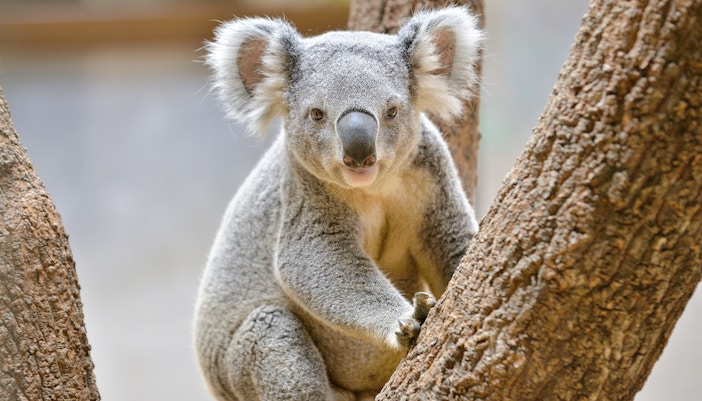
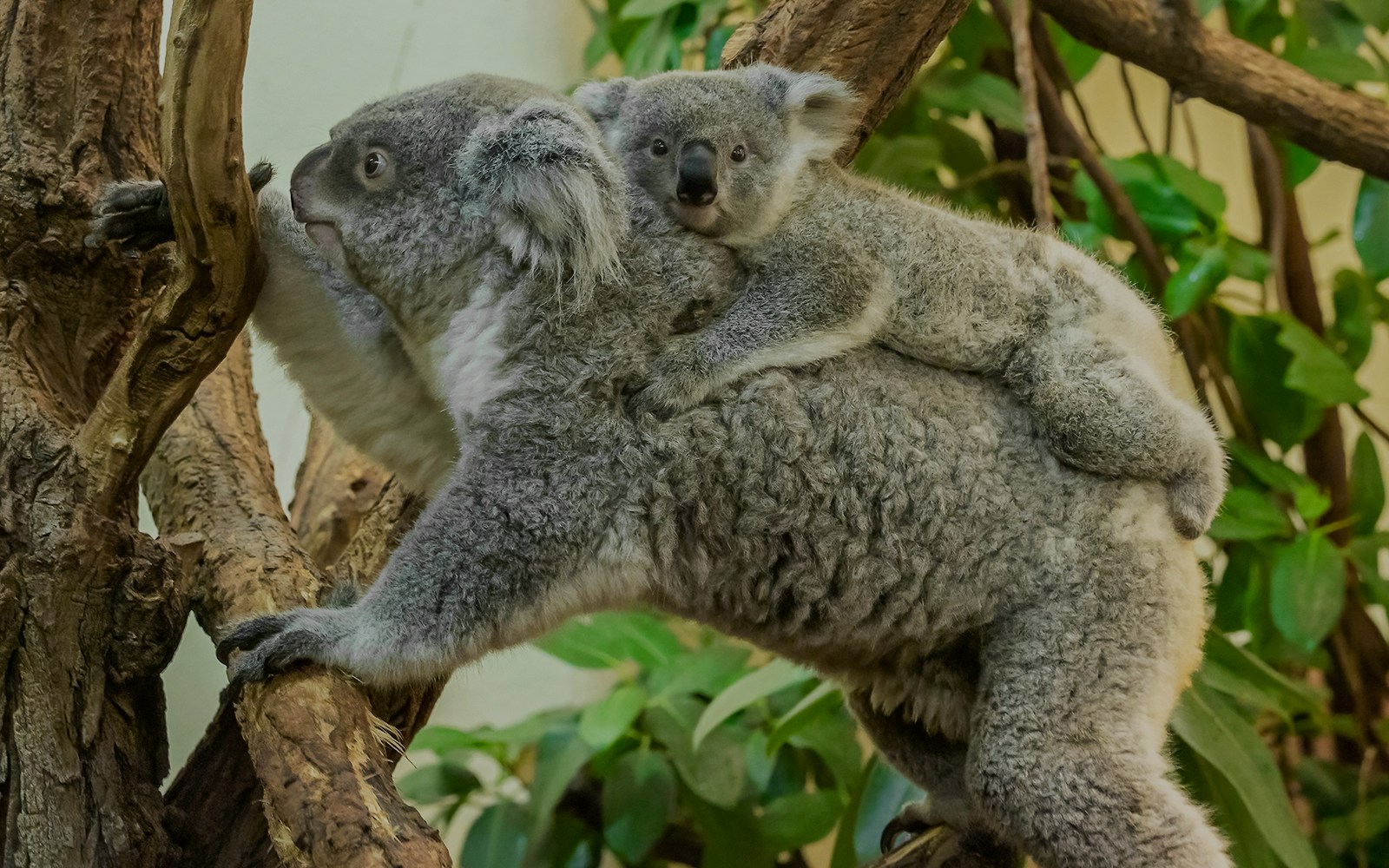
Queensland koala

Explore Schonbrunn Zoo’s themed areas

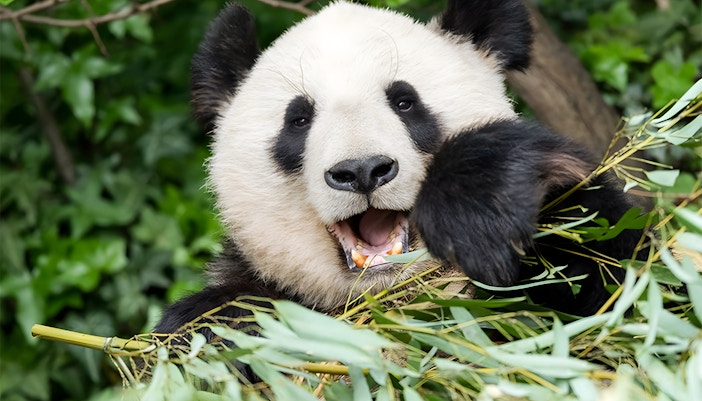
Panda Enclosure

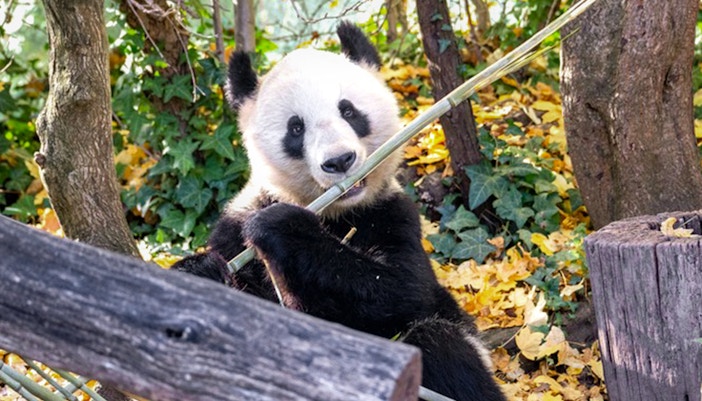
Inside: Giant black and white pandas

  • The Panda enclosure is designed to mimic the cold mountains of eastern China, with extensive bamboo forests, climbing structures, and shaded areas. 
  • The zone features shaded play areas to comfort the pandas during summer. They are accustomed to a colder climate, hence, the shade stimulates their natural behavior. 
Elephant Park

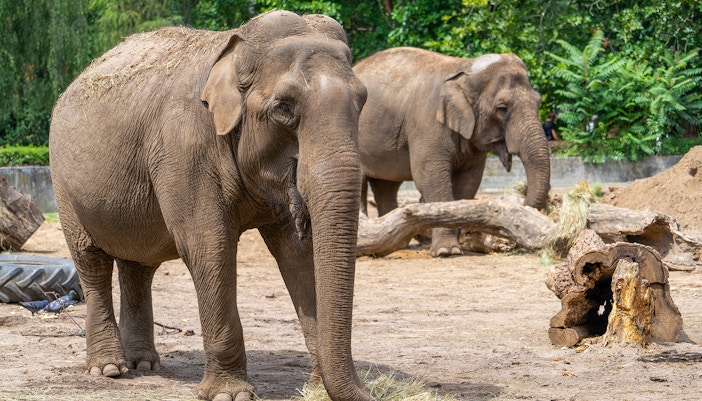
Inside: African Bush elephants

  • This zone spans several acres and includes a large outdoor area with a pool, mud wallows, and a variety of trees and shrubs to encourage elephants to forage around. 
  • The enclosure also features an indoor heated area to protect their joints and offer relief from the heat, especially between June and August.

Polarium

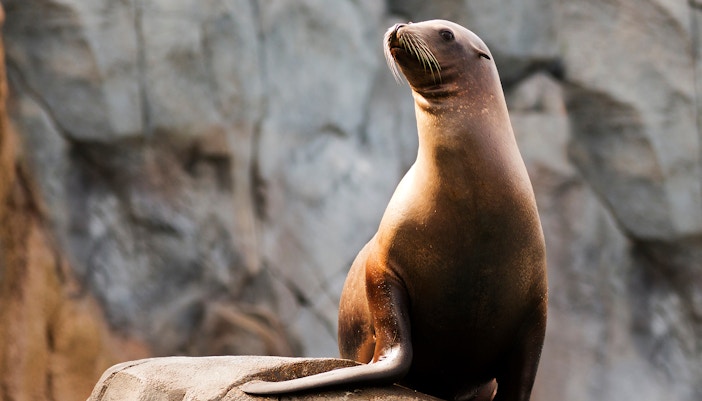
Inside: Penguins, seals, and walruses

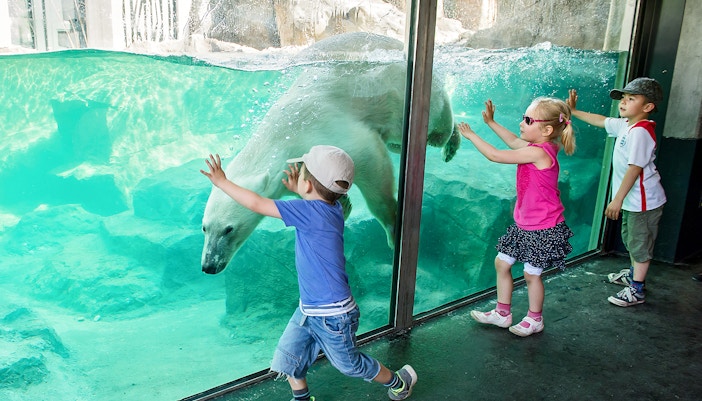
  • The Polarium has icy landscapes, frosty pools, and rocky outcrops, similar to the Arctic and Antarctic regions. There are advanced control settings to maintain the sub-zero temperatures in this section. 
  • There are separate viewing areas separated by glass, so you can observe the cold-weather species without freezing yourself up. 

Rainforest House

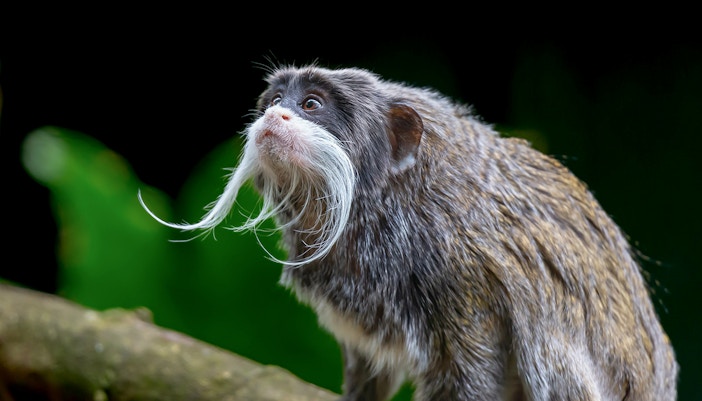
Inside: Small-clawed otters, Emperor tamarins, red-ruffled lemurs, Goeldi’s monkeys, Pygmy marmosets, and others

  • The Rainforest House offers a lush, multi-level space with large canopies, similar to the forests of southeast Asia and West Africa. 
  • There is a wooden pathway, following a huge canopy, where you can catch close-up views of free-flying birds, monkeys, lemurs, and tropical birds in a naturalistic setting.

Big Cat House

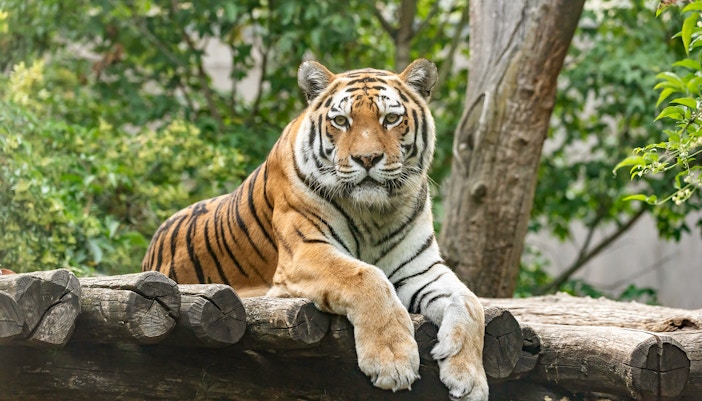
Inside: Tigers, leopards, lions, and cheetahs

  • This enclosure is designed to mimic the grasslands and woodlands of Africa, the original home of the large felines of the animal world. There are heated resting spots, climbing structures, plenty of tall, dry grasses, and watering holes. 
  • There are a few tall trees because the cheetahs and leopards love hiding out among the branches and swooping in on their prey.

Koala House

Inside: Queensland koalas

  • The Koala House is complete with tall, eucalyptus trees, climbing structures, and a regulated climate to meet the needs of Australia’s native marsupials. 
  • Even though koalas mostly get their moisture from eucalyptus leaves, you will find small water dispensers and hydration stations to make sure they stay hydrated. 

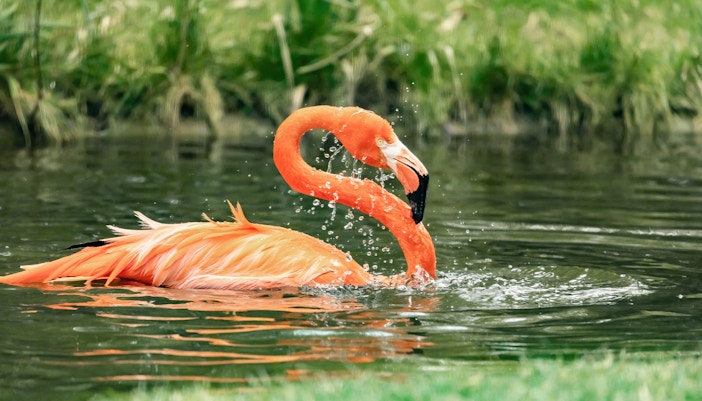
Flamingo Pond

Inside: Various species of flamingos

  • The Flamingo Pond is a large, shallow water body, with marshy sides, grassy areas, and nesting sites. The flamingos share space with other small water lovers like spoonbills and ducks. 
  • The pond has a special filtration system to maintain water quality and provide plenty of space for the flamingos to forage, preen, and display their vibrant selves.

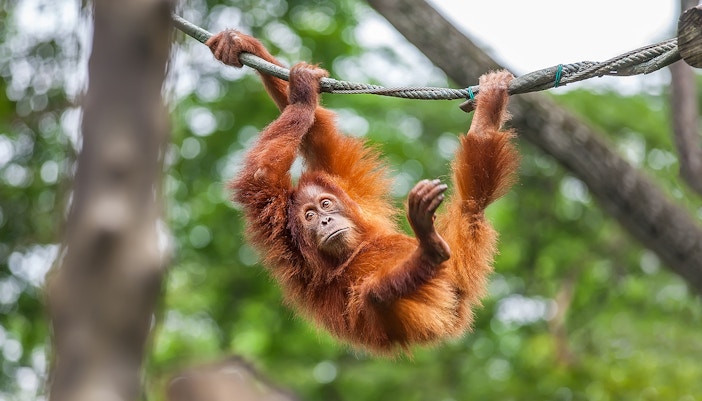
Orangutan Park

Inside: Bornean and Sumatran orangutans

  • This enclosure features an expansive habitat with tall trees, ropes, and platforms to mimic the treetop lifestyle of orangutans. 
  • These structures encourage these primates to climb, play around, forage for food, and socialize with their peers. The orangutans often show off their higher intelligence by using stones to open their fruits and mirroring their peers.

Insectarium

Inside: A diverse collection of praying mantises, stick insects, beetles, and butterflies

  • The Insectarium maintains several microhabitats, from tropical rainforests to deserts. The zoo regulates the temperature, humidity, and light levels in all these sub-zones to meet the needs of various insects. 
  • The enclosure also includes magnifying tools. You can observe the tiny details on their bodies and learn more about their unique traits.

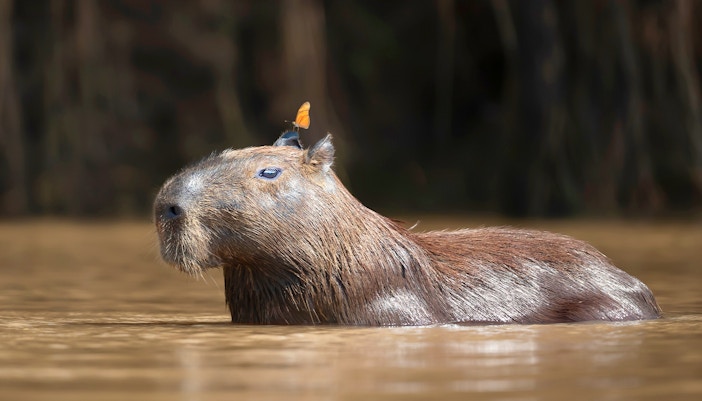
South America Park

Inside: Jaguars, marmosets, spider monkeys, caracara birds, capybaras, tapirs, giant anteaters, and others

  • This enclosure includes forested areas, grasslands, as well as wetlands to accommodate the varying needs of their inhabitants.
  • While caimans, a distant relative of the alligators prefer shallow waters, the jaguars prefer tall trees. The anteaters and capybaras are content with dry grounds filled with termites and ants. 

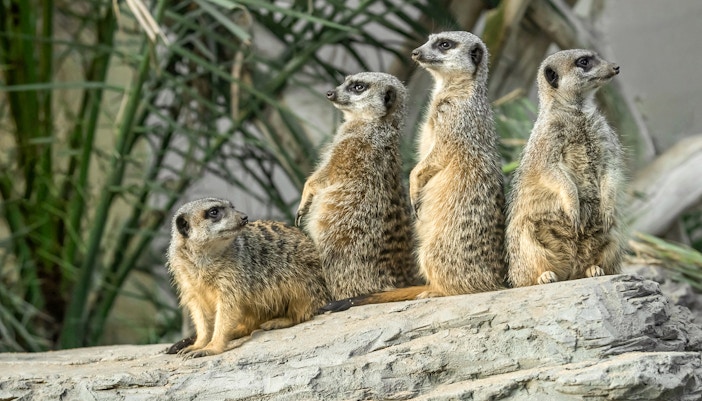
Desert House

Inside: Naked mole rats, meerkats, fennec foxes, spiny-tailed lizards, Gila monsters, Emperor scorpions, and more

  • The Desert House features rocky terrains, dunes, and sparse vegetation, creating a suitable habitat for arid species. 
  • The Vienna Zoo uses advanced climate control systems to replicate extreme temperatures, ensuring the well-being of desert-adapted species and offering visitors a realistic glimpse into desert ecosystems.

Giraffe Park

Inside: Giraffes

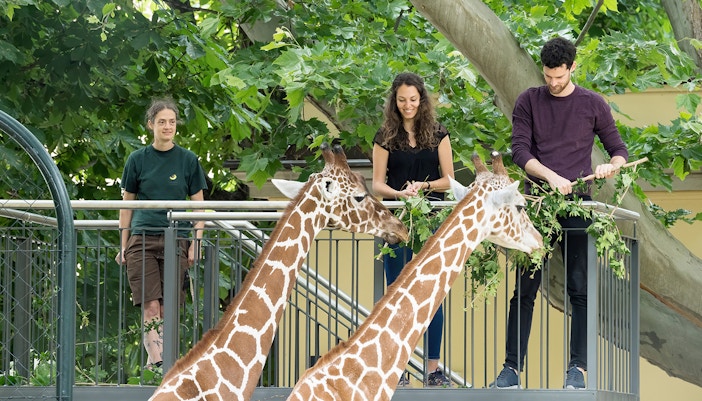
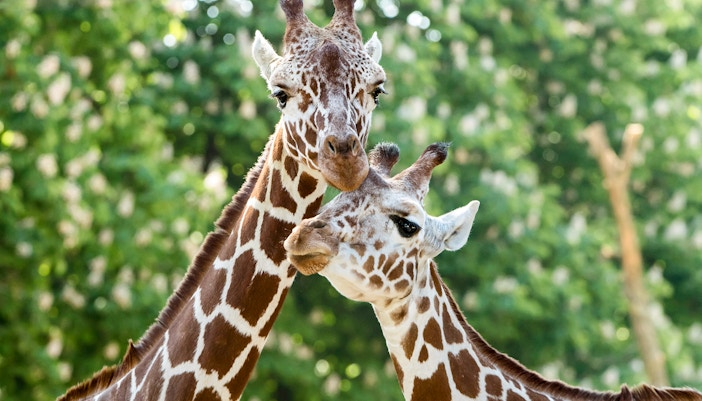
  • This zone features a large outdoor savanna area with acacia trees, tall grasses, and mud holes to mimic the natural African savanna, providing ample space for the giraffes to roam about and graze.
  • There are raised platforms for visitors to observe the giraffes at eye level. On several occasions, the curious ones reach out and get quite close to the visitors.

Hippo House

Inside: Hippopotamuses

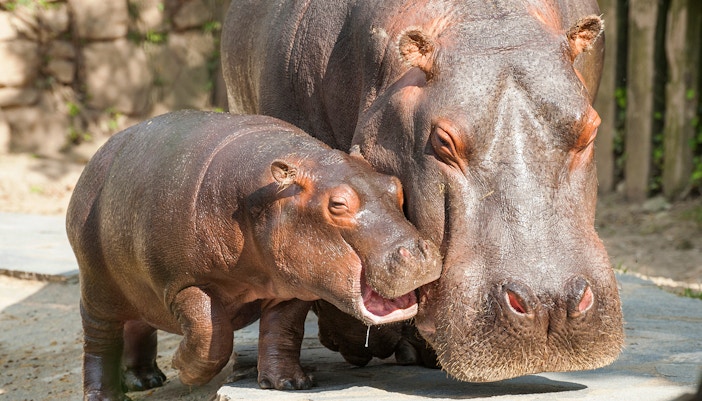
  • The Hippo House offers a spacious aquatic environment with deep pools and sandy banks, replicating the river habitats where hippos spend most of their time.
  • The enclosure includes underwater viewing areas, allowing visitors to watch hippos swimming and interacting beneath the surface.

Aquarium and Terrarium

Inside: Tropical fishes, rays, sharks, boa constrictors, iguanas, frilled-necked lizards, frogs, salamanders, and more

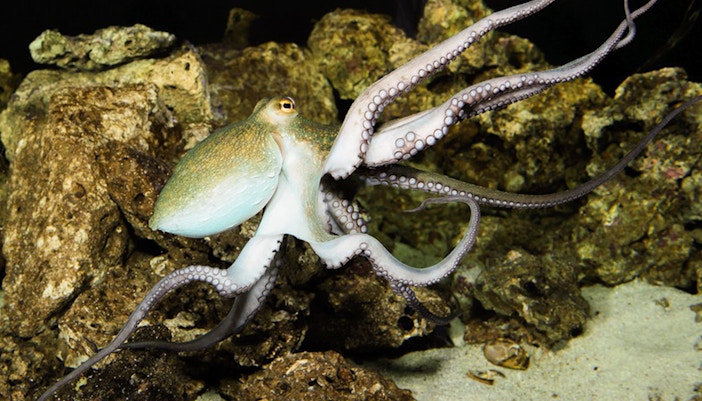
  • This zone features a series of carefully designed tanks, each replicating specific aquatic and terrestrial ecosystems, from coral reefs to tropical rainforests.
  • Touch tanks and interactive displays allow visitors to get a closer look at the aquatic species.

Crocodile Pavillion

Inside: Nile crocodiles, saltwater crocodiles, American alligators, and others

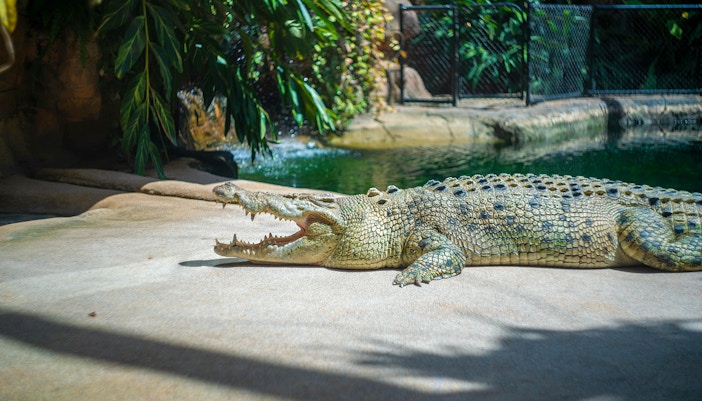
  • The Crocodile Pavillion is a spacious enclosure with water holes, basking areas, and lush vegetation to replicate the natural environment of the crocodiles.
  • This zone also features information signs, educating visitors on crocodile behavior and the importance of protecting these ancient reptiles and their ecosystems.

Things to do at Schonbrunn Vienna Zoo

Attend animal feeding shows

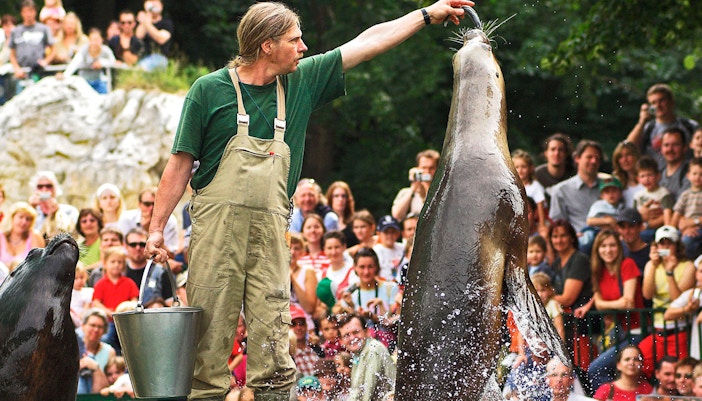
Try to align your visit with the animal feeding schedules. These shows offer visitors a chance to see animals act as they naturally would in the wild like a cheetah making a lightning-speed run to grab its prey or a bird cracking open a nut with its beak.

Vienna Zoo feeding times

Learn about the animals

The Vienna Zoo offers detailed commentary and information signs in a majority of its enclosures to educate visitors about the habitat challenges and dietary requirements of the animals.

Visit the petting zoo

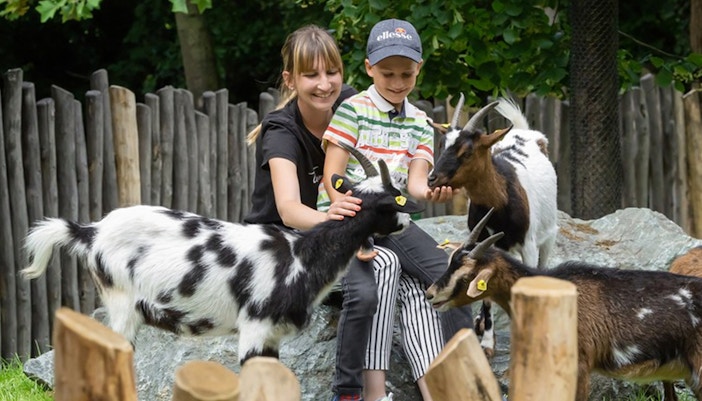
The Schonbrunn Wildlife Park has a separate section, featuring domesticated animals like sheep, goats, cows, and rabbits, known as the Children’s Farm Zoo. This zone is perfect for families with children.

Ride the panoramic train

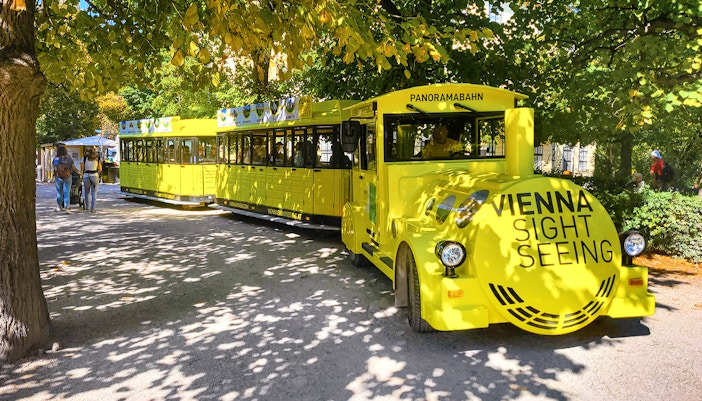
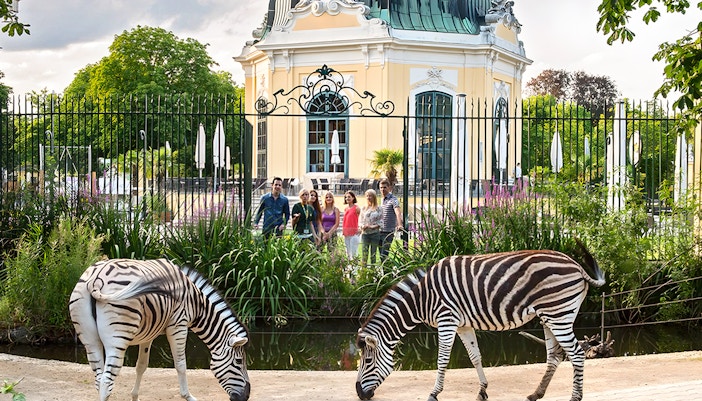
Give your legs a break and ride on the Schonbrunn Zoo’s panoramic train. It passes through the Kaiserpavillion and Elephant Park and offers clear views of the animals in Vienna Zoo.

Have a picnic

Besides iconic, historical dining outlets, the Vienna Zoo also offers scenic pathways and resting areas. These quiet corners are perfect for enjoying a picnic lunch with your friends and family.

Shop for souvenirs

The Vienna Zoo shop, situated near the Hietzing exit and opposite the sea lions, offers a variety of postcards, miniatures, and tote bags. Pick up any memento from the shop to remember your visit.

Tips to note when visiting the Vienna Zoo

  • Plan your route: The Schonbrunn Zoo Vienna has over 700 animal species, spread across 17 hectares. We recommend you map out your route and prioritize which zones to visit first to avoid backtracking. 
  • Get a map: It is best to pick up a physical copy of the zoo map from one of the visitor information centers near the entrances or download the Zoo app to get a bird’s eye view of the enclosures. This will ensure that you do not miss out on any exhibit. 
  • Bring sun protection: There is little shade in the viewing areas on the outdoor exhibits. Make sure to bring a hat and reapply sunscreen every few hours. 
  • Wear comfortable shoes: The Vienna Zoo offers a wide variety of animal enclosures for you to explore. We recommend you wear your most comfortable, closed shoes to walk around comfortably. 
  • Visit the nearby palace: When planning a visit to the Vienna Zoo, consider keeping a few hours aside for the nearby Schonbrunn Palace. They are situated within the same Palace Grounds. You will get a closer glimpse into the wealth and power of the Habsburg royalty.

Plan your visit to the Schonbrunn Vienna Zoo

Book Schonbrunn Zoo tickets

Schönbrunn Zoo Skip-The-Line Ticket

Free cancellation
Book now, pay later
Flexible duration

#Vienna Flexi Pass: Choose 2/3/4/5 Attractions

Free cancellation
Book now, pay later
Flexible duration
Guided tour

Combo (Save 6%): Schönbrunn Palace & Gardens Skip-the-Line Tour + Schönbrunn Zoo Skip-the-Line Tickets

Free cancellation
Guided tour


Desert House Skip-the-Line Ticket at Schönbrunn Zoo

Flexible duration

Frequently asked questions about the animals in Vienna Zoo

The Vienna Schonbrunn Zoo is spread across 17 hectares, which is roughly around 42 acres. Despite its compact nature, the zoo houses over 700 animal species, ranging from big cats like Amur leopards, Siberian tigers, and jaguars, gentle giants like African Bush elephants, water mammals such as hippopotamus, and several varieties of reptiles, amphibians, birds, and insects.

More reads

About Schonbrunn Vienna Zoo

Book Now

Vienna Zoo working hours

Book Now

Plan your visit to Schonbrunn Zoo

Book Now