Kunsthistorisches Museum History | Home of the Habsburg Dynasty’s priceless art collection

The magnificent Kunsthistorisches Museum in Vienna is a must-visit for anyone with a penchant for art and history. Built over a century ago, it boasts an impressive collection of artworks from famous artists like Bruegel and Rubens. Not only that, it also holds a trove of ancient artifacts from Egypt and the Near East. You can learn more about the fascinating history of this museum on this page, which will give you an enriching experience during your visit!

Kunsthistorisches Museum timeline
Construction of KHM
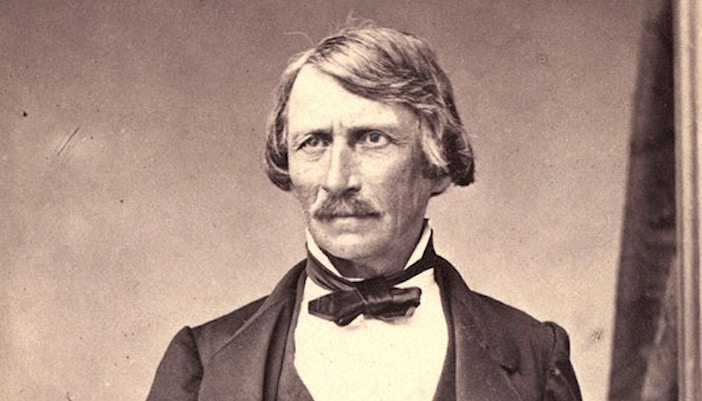
  • 1871: Construction of the museum was commissioned by Emperor Frans Joseph I and was worked upon by the lead architect Gottfried Semper.
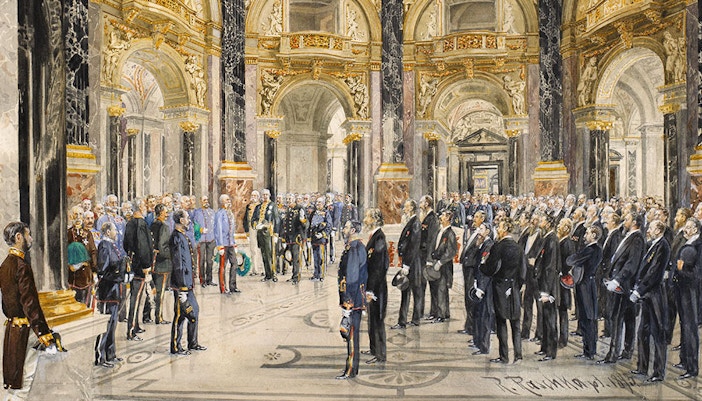
  • 1891: Kunsthistorisches Museum, which houses the Habsburgs' extensive art collection, opens its doors to the public.
  • 1895: The museum adds a new wing to its building to accommodate the ever-growing collections.
  • 1918: Following the collapse of the Austro-Hungarian Empire, ownership of the museum's collection is transferred to the new Austrian Republic.
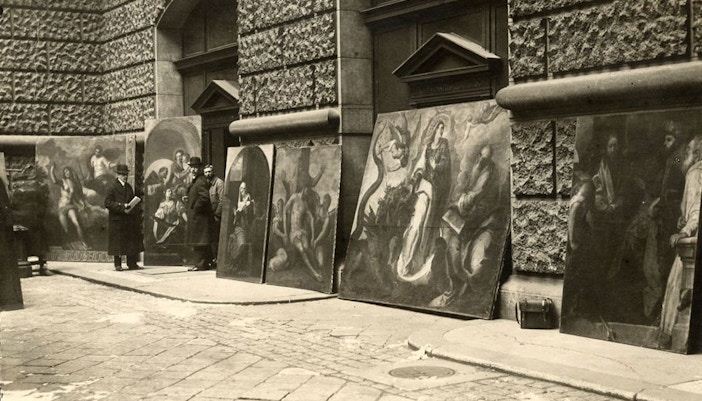
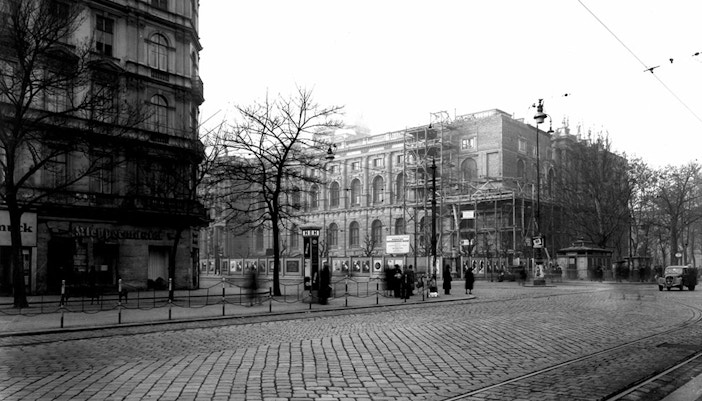
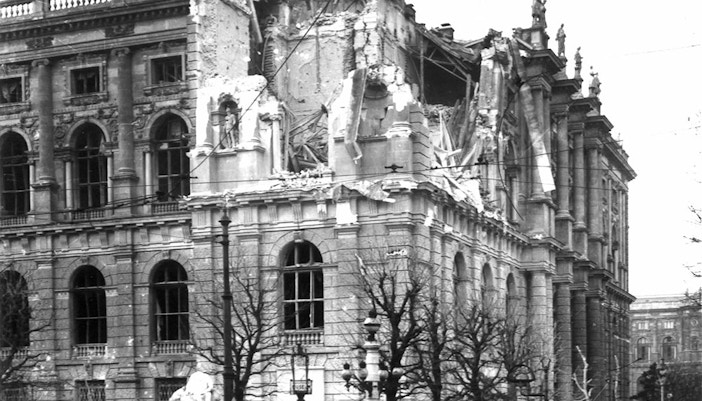
  • 1938-1945: During WWII, the museum is partially destroyed, and the collection is relocated for safekeeping.
  • 1951: The museum undergoes renovations and reopens with a newly expanded collection.
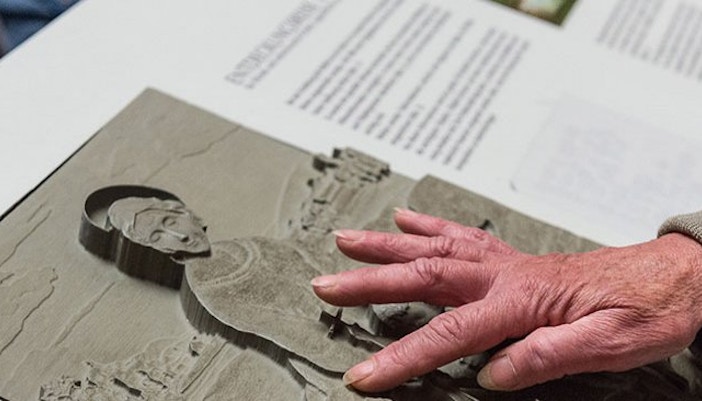
  • 2012: Museum introduces new multimedia installations, digital guides, and interactive displays.
  • 2018: The museum celebrates its 125th anniversary with a special event and exhibition.
  • 2020: The museum temporarily closes due to the Covid-19 pandemic but begins offering virtual tours, thus expanding its digital presence to a global audience.

Kunsthistorisches Museum history explained

Construction of the museum (1871)

Construction of the Kunsthistorisches Museum is commissioned by Emperor Franz Joseph I, with renowned architect Gottfried Semper leading the project. It marks the beginning of the creation of a magnificent institution to house the extensive art collections of the Habsburg dynasty.

Public opening (1891)

The Kunsthistorisches Museum opens its doors to the public, showcasing the vast and diverse art collection amassed by the Habsburgs over centuries. It has become a hub for art enthusiasts, scholars, and visitors from around the world, offering a glimpse into the rich cultural heritage of the Austrian Empire.

Addition of a new wing (1895)

With the growing collections, the museum adds a new wing to its building, expanding its exhibition space and ensuring that the ever-increasing art treasures find a deserving place within its grand halls.

End of the monarchy (1918)

The collapse of the Austro-Hungarian Empire brought about significant changes, and the ownership of the Kunsthistorisches Museum's collection was transferred to the new Austrian Republic. The museum remains a symbol of national pride and continues to preserve and showcase the region's rich artistic legacy.

World War II impact (1938-1945)

The tumultuous years of World War II have profoundly impacted the Kunsthistorisches Museum. The museum is partially destroyed during bombings, and the valuable collection is moved to safe locations to protect it from the ravages of war, ensuring its survival for future generations.

Reopening of the museum (1951)

After extensive renovations and restoration efforts, the Kunsthistorisches Museum reopens its doors to the public, presenting an expanded collection that reflects the dedication and commitment to preserving and sharing art. It resumes its position as a cultural treasure trove, captivating visitors with its remarkable holdings.

Multimedia enhancements (2012)

Embracing the advancements of the digital age, the museum introduces new multimedia installations, interactive displays, and digital guides, enhancing the visitor experience and offering innovative ways to engage with the art and history within its walls.

125th anniversary celebration (2018)

The Kunsthistorisches Museum celebrates its 125th anniversary, marking a significant milestone in its history. Through special events and exhibitions, it commemorates its enduring legacy as a custodian of art, scholarship, and cultural heritage and looks forward to the next chapter in its journey.

Digital engagement (2020)

The global Covid-19 pandemic brings temporary closure to the museum, but it adapts swiftly by offering virtual tours and expanding its digital presence. This allows art enthusiasts from all corners of the globe to explore its remarkable collections and continue their engagement with art despite physical restrictions.

Construction of Kunsthistorisches Museum

Construction of KHM

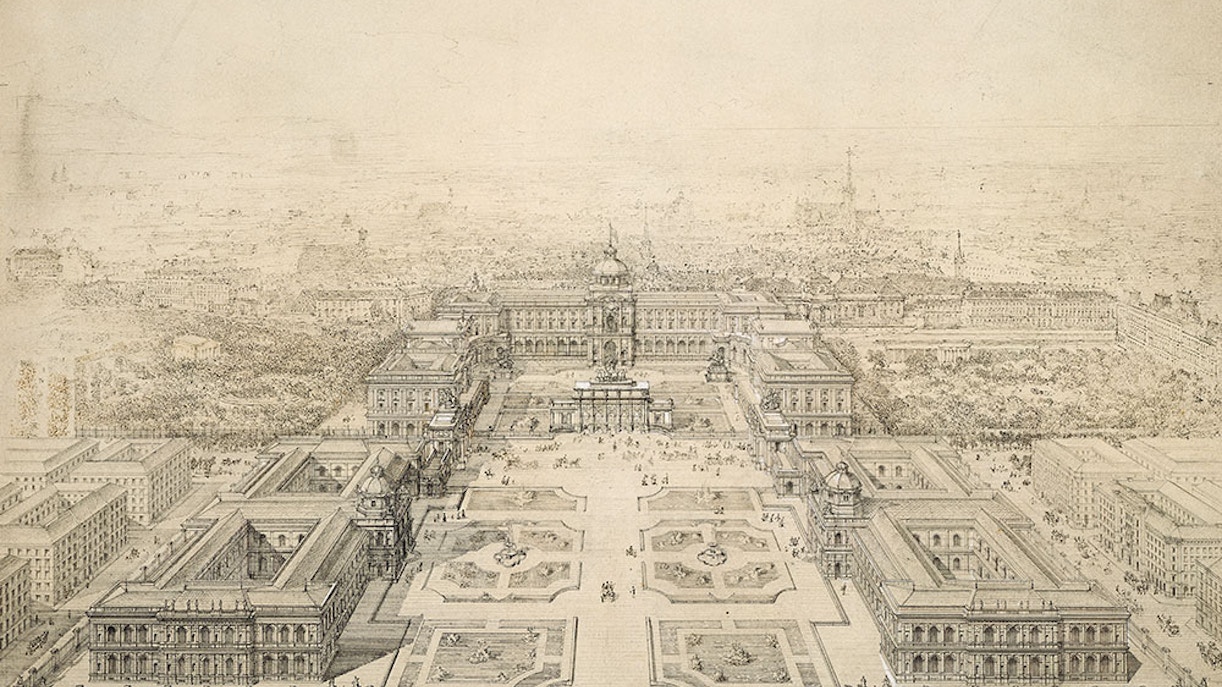
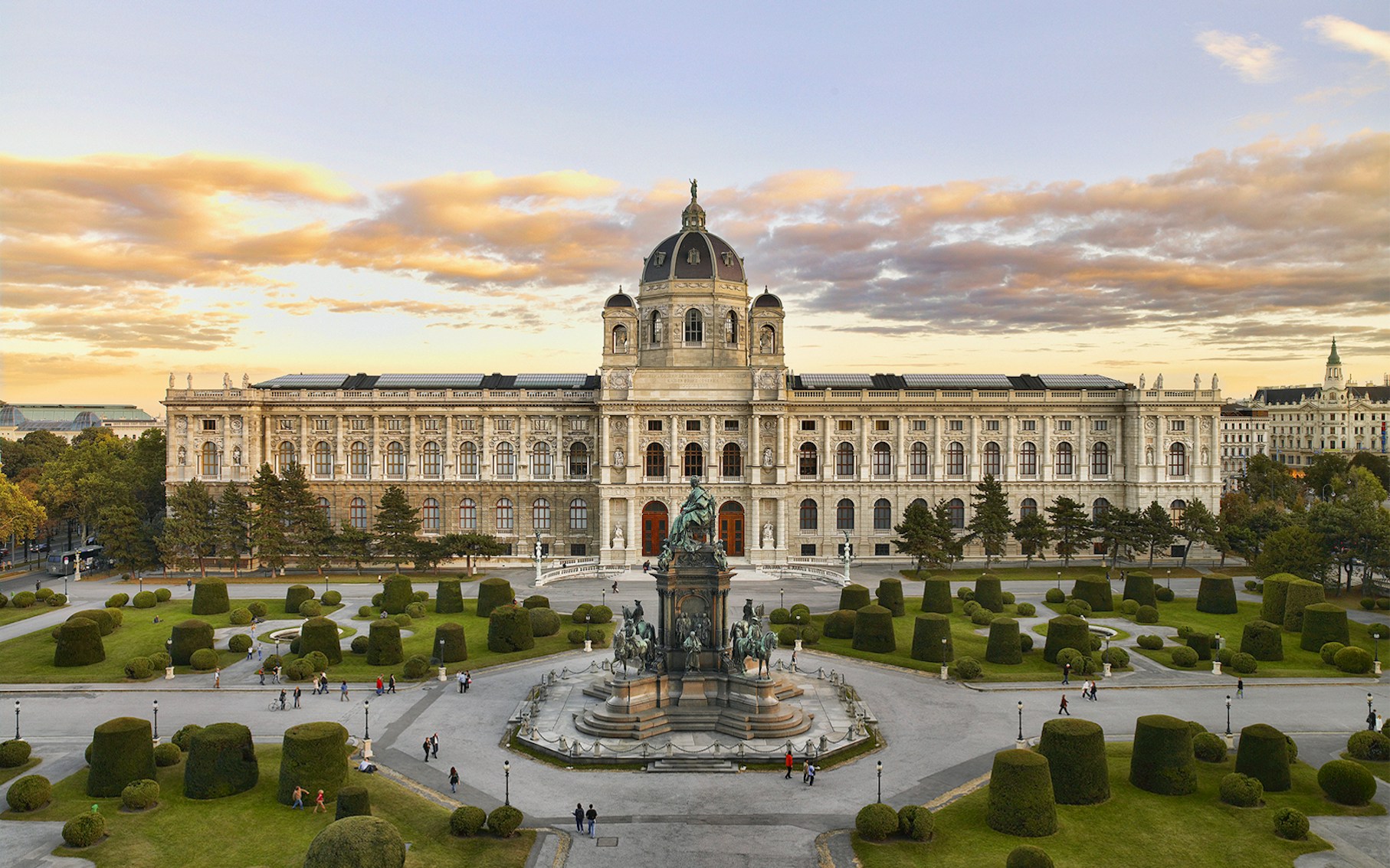
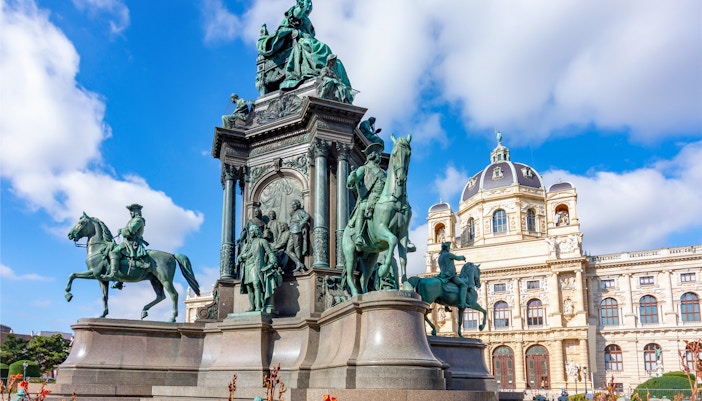
The Kunsthistorisches Museum, located in Vienna, was constructed in the late 19th century - when the city was thriving as a hub for culture and the arts. The museum's construction was made possible through the visionary leadership and dedication of Emperor Franz Joseph I, who desired to establish a repository for his vast art collection. This undertaking was carried out by the renowned architect Gottfried Semper, who was already well-respected for his contributions to the field of architecture.

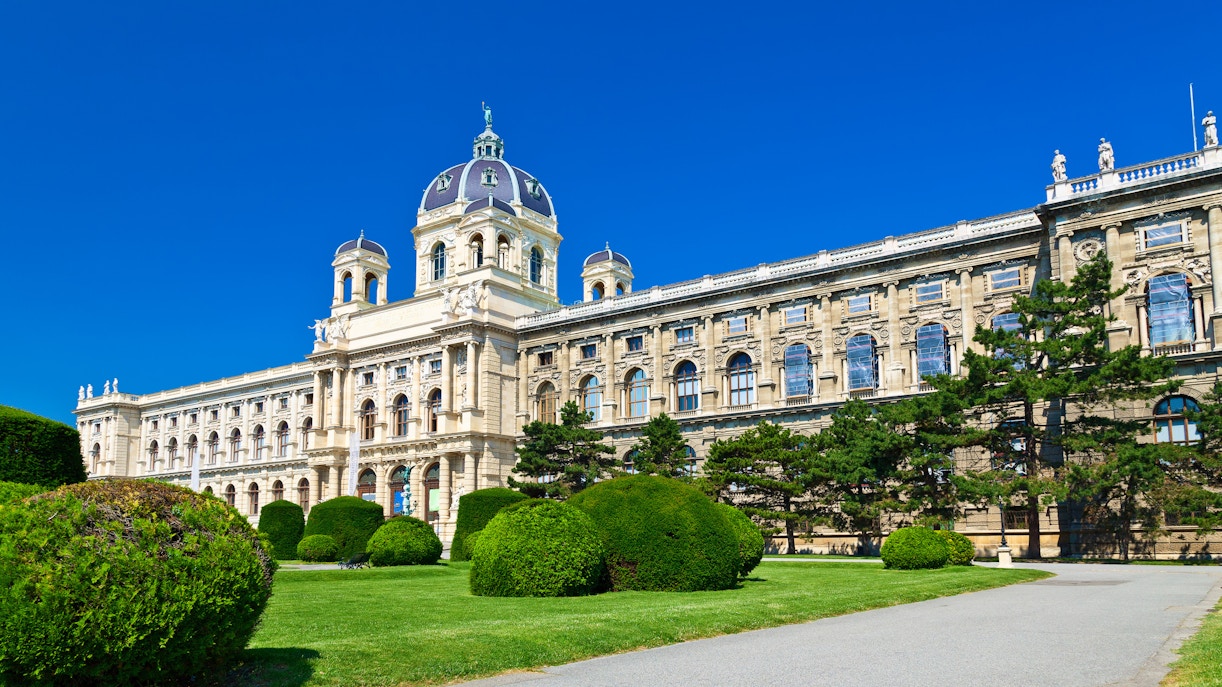
The Kunsthistorisches Museum is a true masterpiece of architecture, designed in the Neo-Renaissance style - characterized by elaborate ornamentation and intricate designs. The museum's façade is adorned with marble pilasters and statues of famous artists, which serve as an ode to the museum's purpose. Its construction also caused significant challenges, as the project required innovative techniques. These included the implementation of reinforced concrete, a French invention that paved the way for taller buildings.

Despite the troubles, the Kunsthistorisches Museum was completed in roughly eight years and opened publicly in 1891. Today, the museum is considered one of the city's top attractions, providing a glimpse into the rich history of art and culture that has shaped the world!

About Kunsthistorisches Museum

The Kunsthistorisches Museum today

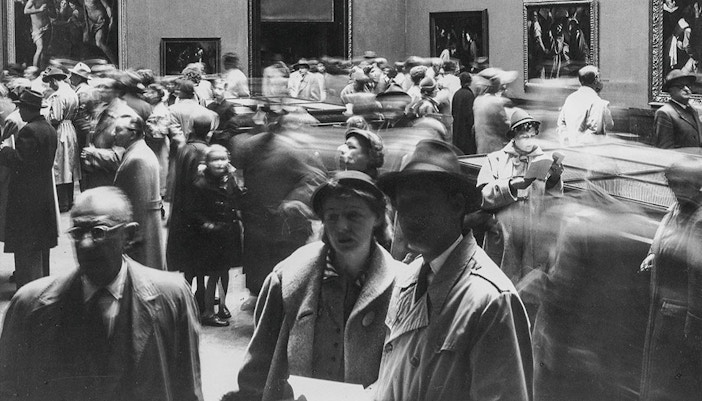
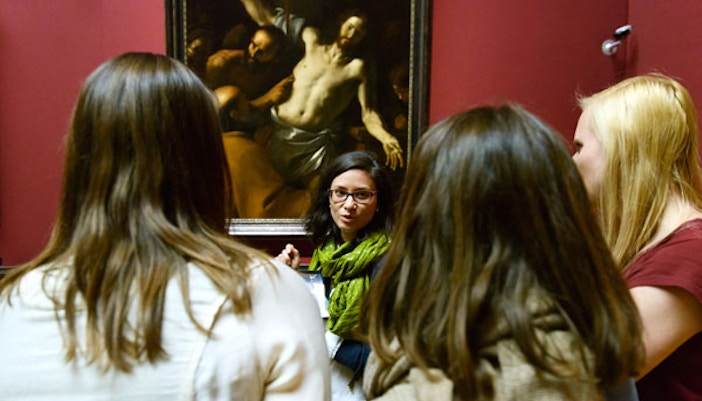
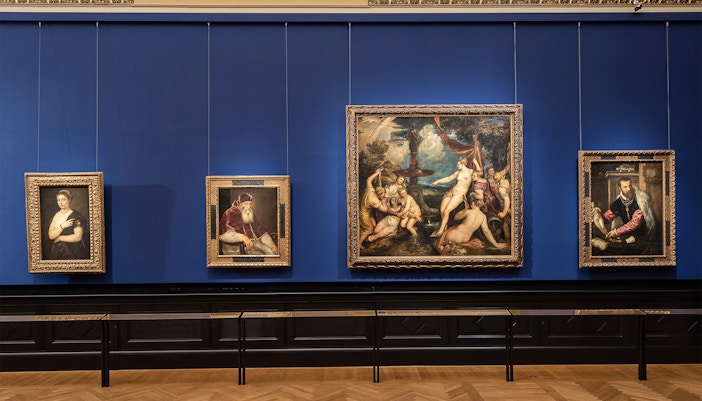
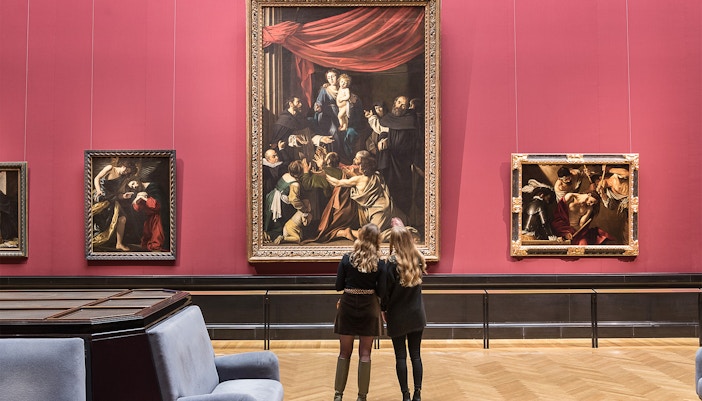
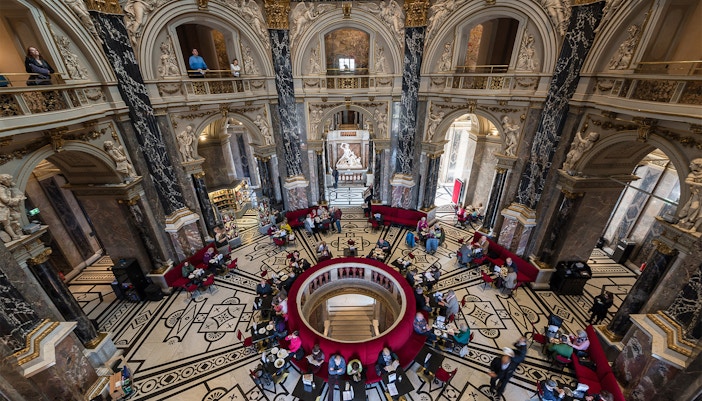
Today, the Kunsthistorisches Museum continues to captivate visitors from around the world with its timeless allure. Stepping inside its majestic halls, one is greeted by a vibrant tapestry of art and culture. The museum is a guardian of history, showcasing a vast collection spanning centuries, from classical antiquity to the modern era. Paintings by renowned masters like Rembrandt, Vermeer, and Caravaggio adorn the walls, while sculptures and decorative arts exude an air of grandeur. Contemporary exhibitions and innovative displays breathe new life into the museum, engaging visitors with interactive experiences and fresh perspectives!

Visitors exploring the grand interiors of Kunsthistorisches Museum in Vienna, Austria

Plan your visit to the Kunsthistorisches Museum

Frequently asked questions about the Kunsthistorisches Museum history

The construction of the Kunsthistorisches Museum began in 1871 and was completed in 1891.

More reads

Kunsthistorisches Museum exhibitions

Book Now

Kunsthistorisches Museum opening hours

Book Now

Kunsthistorisches Museum location

Book Now