Quick Information

RECOMMENDED DURATION

3 hours

TICKETS

From $26

NUMBER OF ENTRANCES

2

EXPECTED WAIT TIME - STANDARD

30-60 mins (Peak), 0-30 mins (Off Peak)

Plan your visit

Did you know?

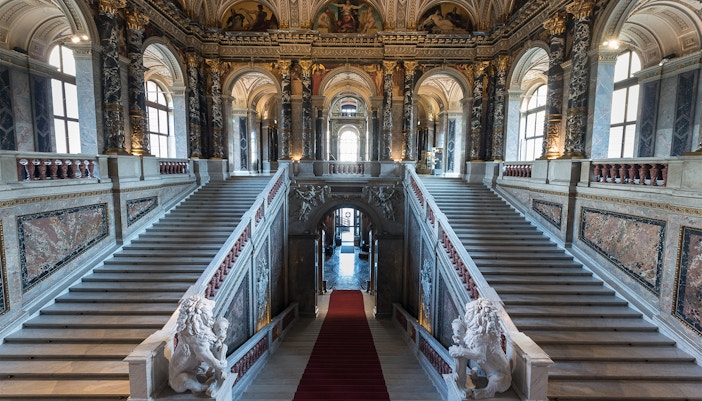
The Klimt brothers’ frescoes: Gustav Klimt, along with his brother Ernst Klimt, were commissioned to create frescoes for the museum's grand staircase. However, Gustav's unconventional and avant-garde style clashed with the museum's conservative tastes, leading to controversy and criticism.

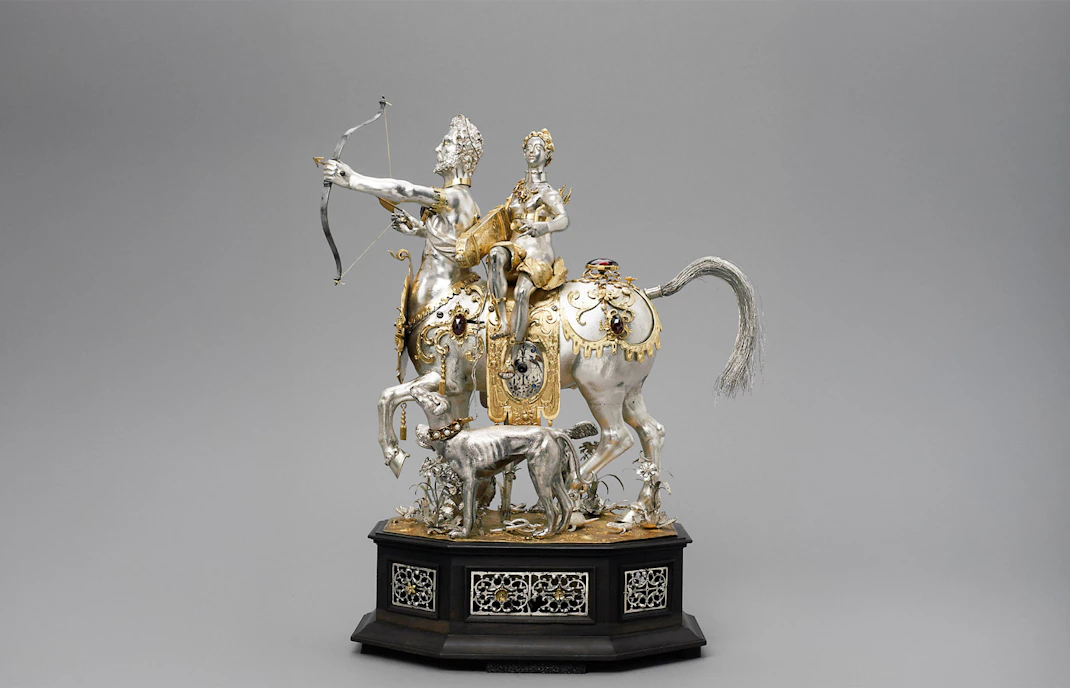
The Kunstkammer Cabinet: The Kunsthistorisches Museum's Kunstkammer Wien, or Chamber of Art and Wonders, houses an extraordinary collection of curiosities and rarities collected by the Habsburgs over centuries. Among its treasures are intricate mechanical automata, exotic natural specimens, and precious objects from around the world.

The Mystery of the Cellini Salt Cellar: One of the museum’s most famous artifacts is the Cellini Salt Cellar, a masterpiece of Renaissance goldsmithing crafted by Benvenuto Cellini in the 16th century. In 2003, the salt cellar was stolen from the museum but was miraculously recovered three years later buried in a forest in Austria.

Book your Kunsthistorisches Museum tickets

Kunsthistorisches Museum Vienna Admission Tickets

Free cancellation
Book now, pay later
Flexible duration
Guided tour

Combo (Save 5%): Natural History Museum + Kunsthistorisches Museum Admission Tickets

Free cancellation

Combo: Kunsthistorisches Museum + Imperial Treasury Admission Tickets

Free cancellation
Book now, pay later
Extended validity
Flexible duration

Combo: Kunsthistorisches Museum + Leopold Museum Admission Tickets

Free cancellation
Book now, pay later
Extended validity
Flexible duration

Kunsthistorisches Museum collections

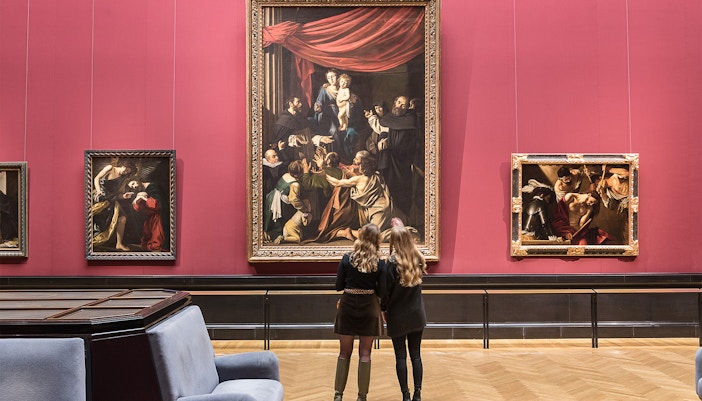
Picture Gallery
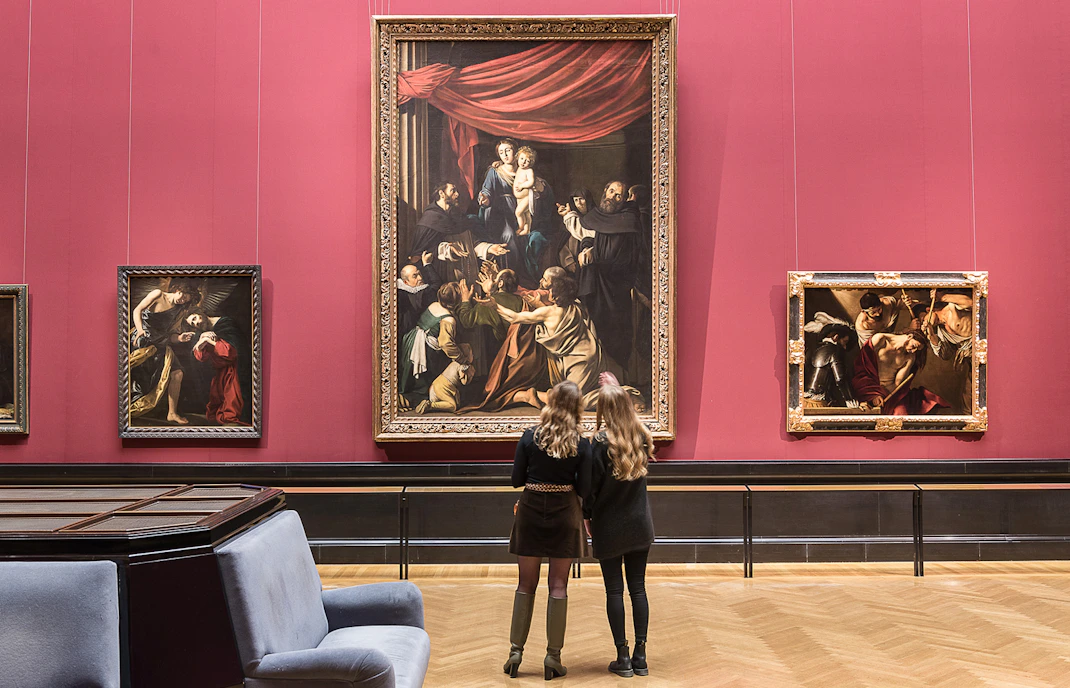
The Kunsthistorisches Museum’s Picture Gallery is a stunning collection of 16th and 17th-century European masterpieces, featuring works by artists like Rembrandt, Titian, Rubens, and Vermeer. It showcases a wide range of styles, from Renaissance to Baroque, taking visitors on a journey through four centuries of art history. It’s a visual feast of color, emotion, and technique.

Kunstkammer Wien

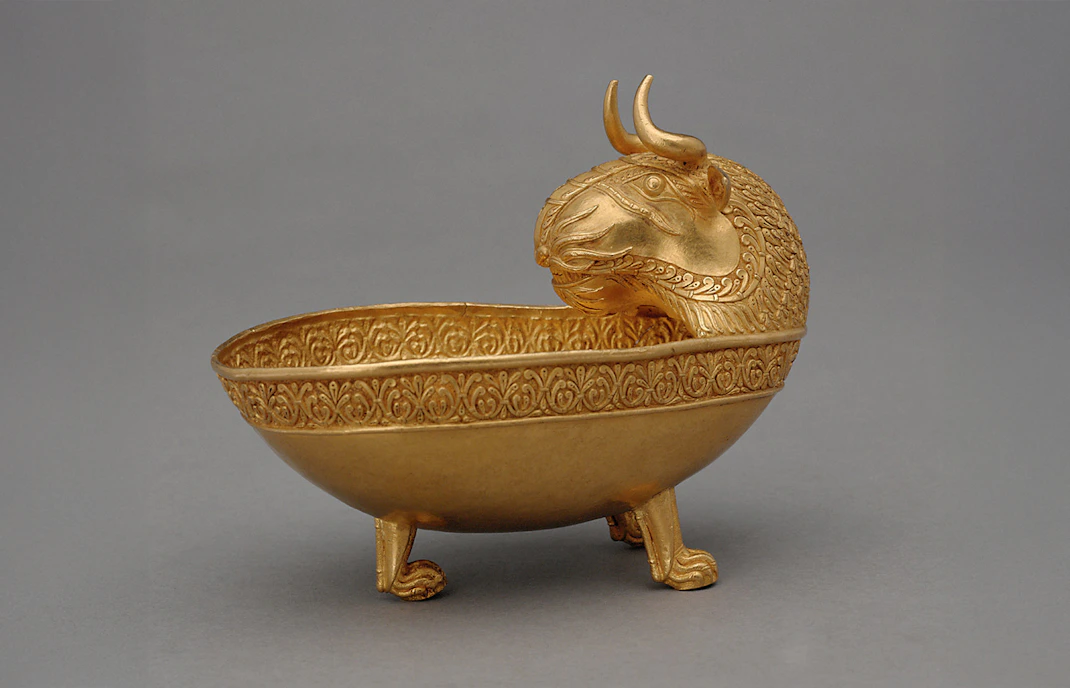
The Kunstkammer holds the Habsburg rulers’ imperial treasures collected over 1,000 years. The collection comprises over 2,000 rare and beautiful objects that range from ancient figurines and intricate gold sculptures to bizarre mechanical devices and elaborate clocks. They showcase the era’s blend of artistic exploration, scientific curiosity, and excellent craftsmanship.

Egyptian and Near Eastern Collection

Nine galleries at the museum are dedicated to artifacts from ancient Egypt, Nubia, Mesopotamia, and the Eastern Mediterranean, comprising 17,000 relics, including a 4,000-year-old Egyptian burial chamber, mummies, sarcophagi, scarabs,  pottery, jewellery, and other religious objects. The statuette of a blue Hippopotamus is one of the finest examples of fine glazed pottery from this period.

Collection of Greek and Roman Antiquities
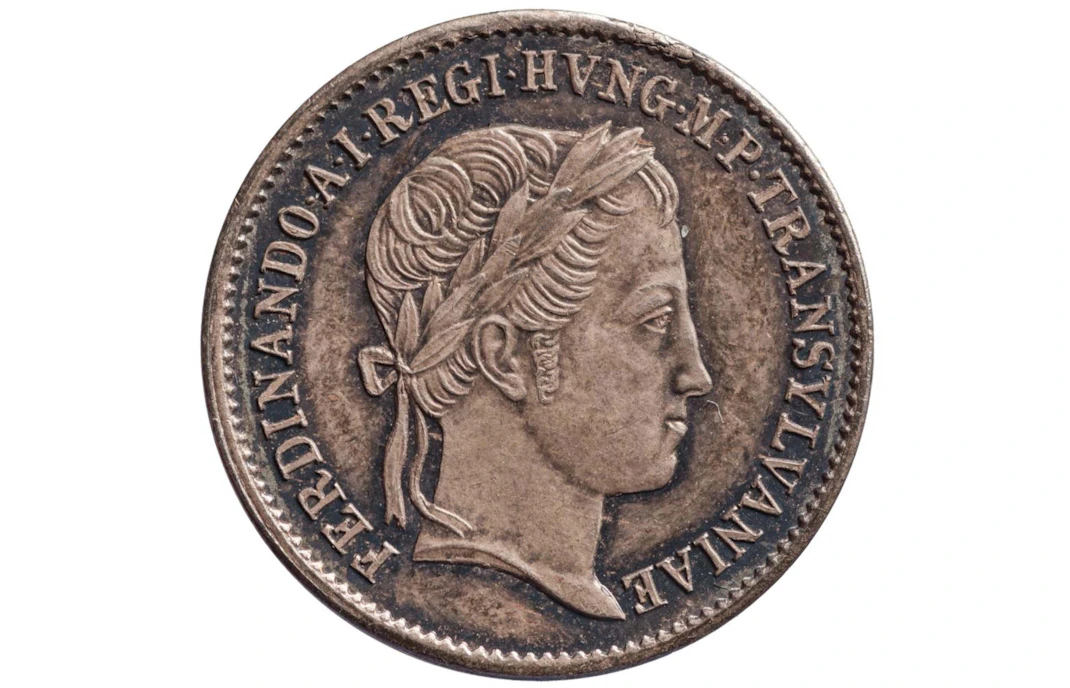
The Collection of Greek and Roman Antiquities highlights Austria’s history when it was part of the Roman Empire. Its most unique and visually striking artifact is a beautiful 4th-century floor mosaic from a villa near Salzburg. You’ll also find intricately painted Greek vases, bronze statues of mythological figures, gold, silver, and bronze Roman jewellery, and ceramics from Cyprus.

Coin Collection

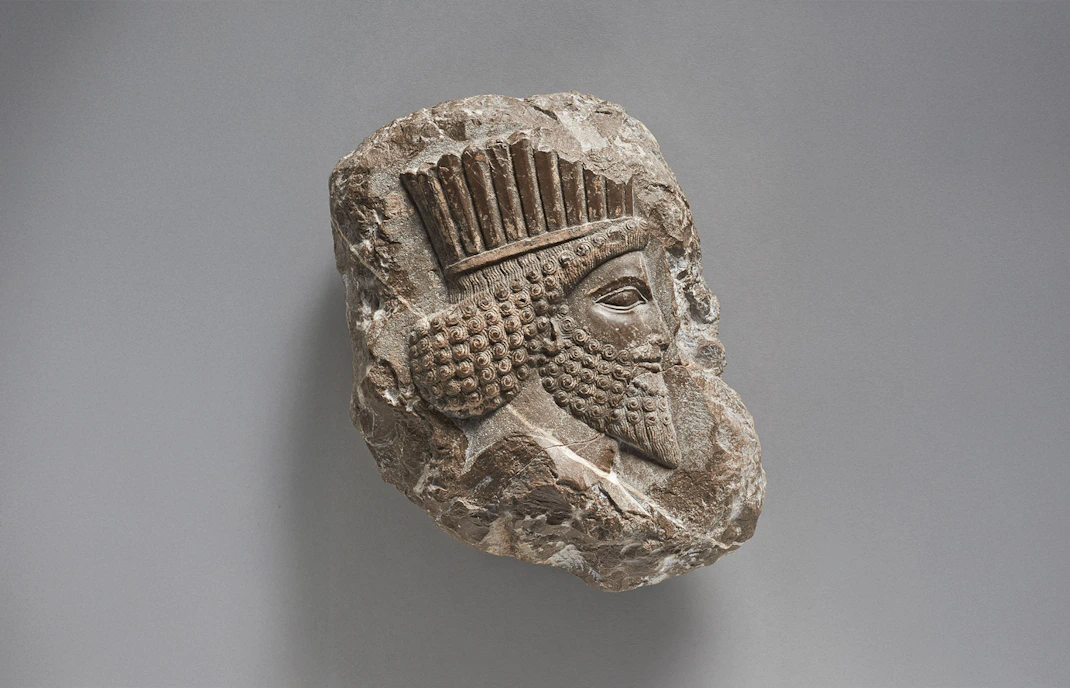
The Kunsthistorisches Museum's coin collection, one of the world's five largest, dates back to the mid-16th century. It holds 600,000 pieces, with 2,000 on display, including coins, paper currency, medals, and medallions from regions spanning Western Europe to Byzantium, Persia, and China.

Collection of Historic Musical Instruments

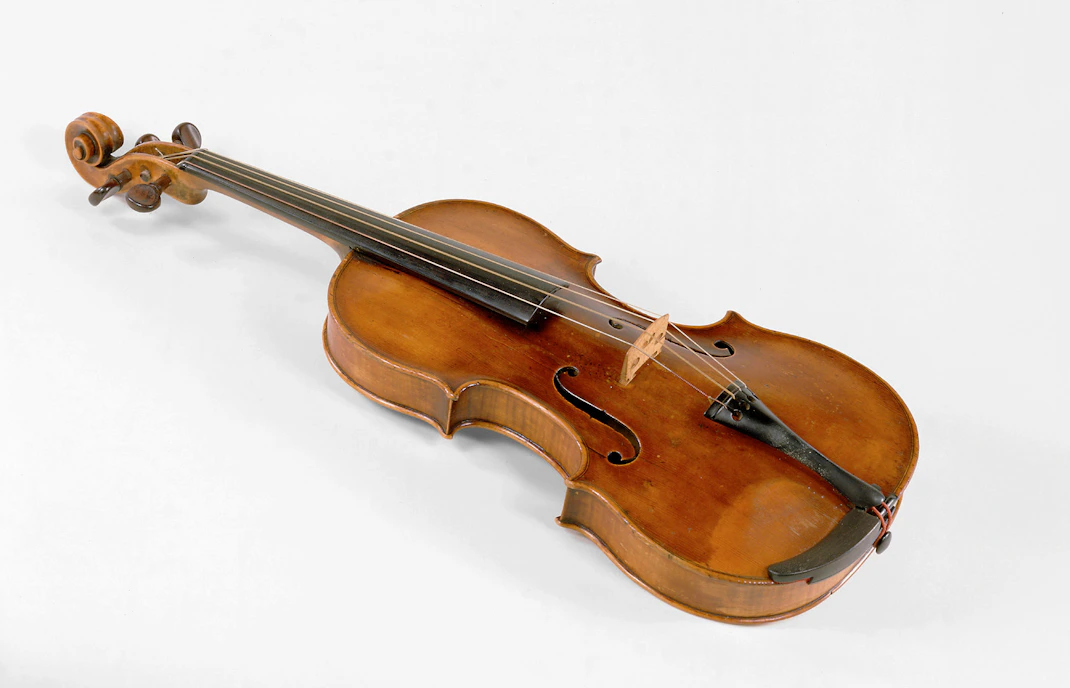
The museum’s Collection of Historic Musical Instruments dates back to the mid-16th century, when Archduke Ferdinand II began acquiring these treasures for the Habsburgs. The majority of the items hail from the late Italian Renaissance and early Baroque periods. If you're a music lover, you’ll recognize violins, lyres, harps, harpsichords, and fortepianos. The standout pieces though are the Rebecchino, a stringed instrument shaped like a female figure, the elegant Pedal Harp, and the whimsical flute clock.

Must-see exhibits at the Kunsthistorisches Museum
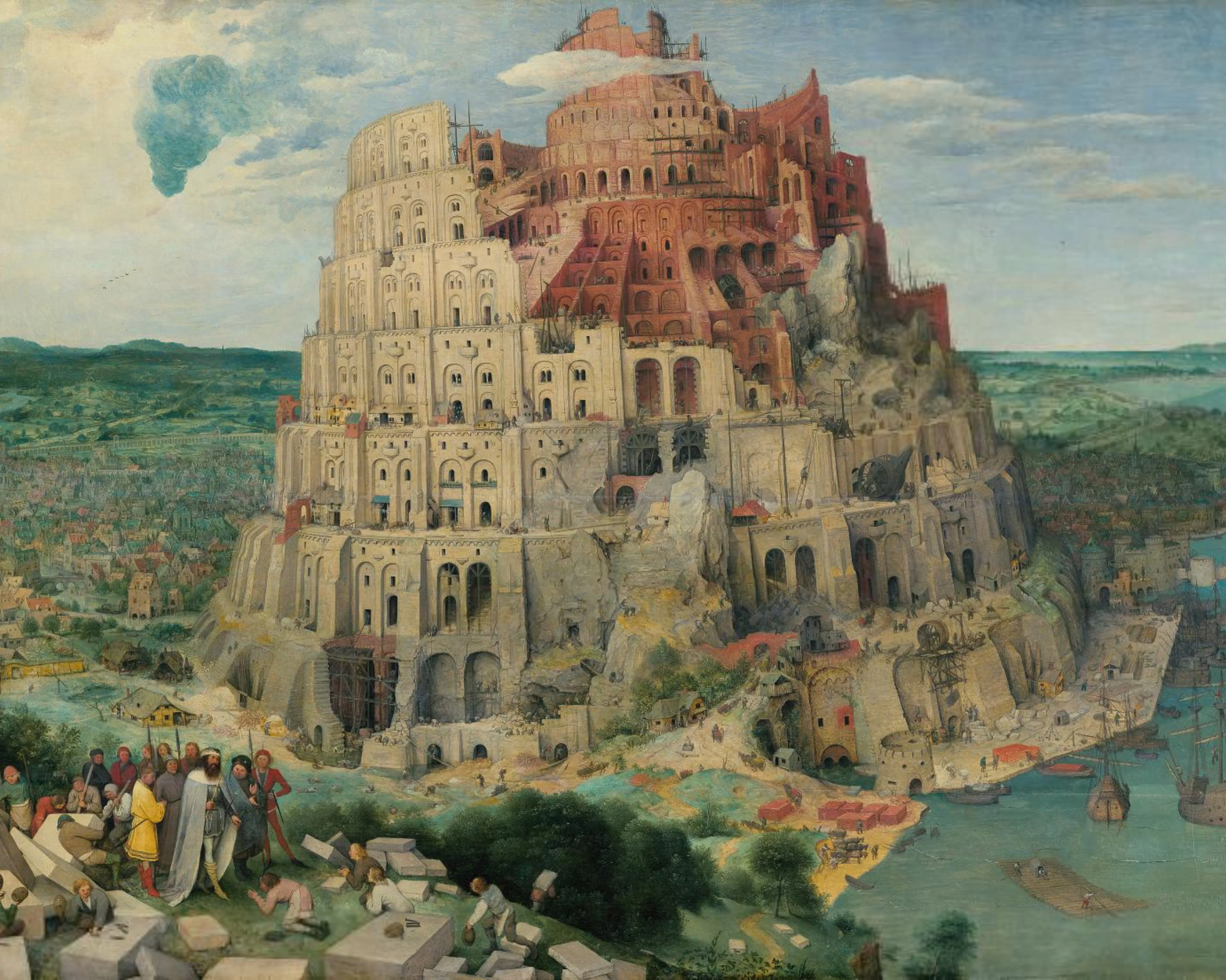
The Tower of Babel
Hunters in the Snow (Winter)
Bravo by Titian
Infanta Margarita Teresa in a blue dress
Madonna of the Meadow
The Art of Painting
Cellini Saliera salt cellar
Frescoes in the grand staircase Klimt
Hippopotamus Kunsthistorisches Museum Wien
Summer by Giuseppe Arcimboldo
Automaton in the Form of a Ship
1/11

The Tower of Babel

Artist: Pieter Bruegel the Elder

Year: 1563

Hunters in the Snow (Winter)

Artist: Pieter Bruegel the Elder

Year: 1565

Bravo

Artist: Titian

Year: 1515–1520

Infanta Margarita Teresa in a blue dress

Artist: Diego Rodríguez de Silva y Velázquez

Year: 1659

Madonna of the Meadow

Artist: Raphael

Year: 1505/1506

The Art of Painting

Artist: Johannes Vermeer van Delft

Year: 1666/1668

Cellini’s Saliera salt cellar

Artist: Benvenuto Cellini

Year: 1540–1543

Frescoes in the grand staircase

Artist: Gustav Klimt

Year: 1891

Hippopotamus

Origin: Ancient Egyptian

Year: ~2000 BCE

Summer

Artist: Giuseppe Arcimboldo

Year: 1563

Automaton in the Form of a Ship

Artist: Hans Schlottheim

Year: 1585

History of the Kunsthistorisches Museum

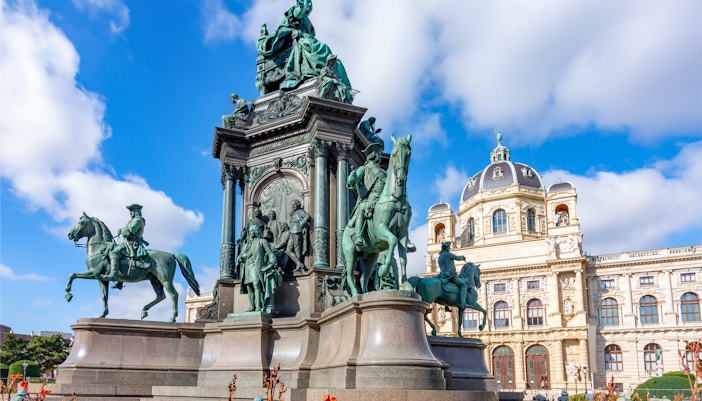
Since the 11th century, the archdukes, kings, and emperors of Vienna’s ruling Habsburg dynasty accumulated some of the finest paintings, sculptures, and decorative art created in Europe. In 1871, Franz Joseph I commissioned the construction of Kunsthistorisches and Naturhistorisches museums to house the Habsburg collection, designing them to face each other across Vienna’s Maria-Theresien-Platz Square.

The two near identical buildings took 20 years to complete and the Kunsthistorisches Museum was opened in 1891. In 125 years, the museum’s collection has expanded to include global art and artifacts, becoming a major institution for art history and a symbol of Austria’s cultural heritage.

Architecture of the Kunsthistorisches Museum
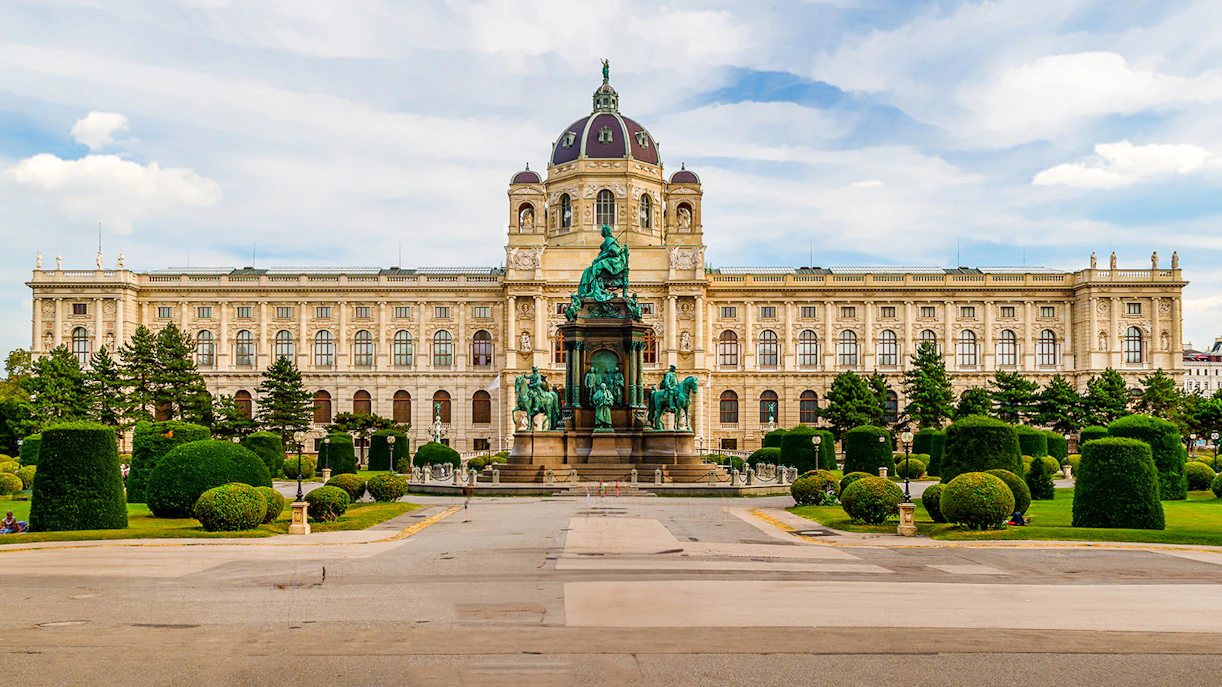
Kunsthistorisches Museum

Constructed in the magnificent Neo-Renaissance style, the Kunsthistorisches Museum building showcases a harmonious blend of intricate detailing and majestic proportions.

The museum’s exterior features columns, arches, and decorative sculptures. Inside, opulent halls with high ceilings showcase frescoes and intricate stucco work, while the grand staircase, with its sweeping curves, adds to the building’s splendour.

The museum building, constructed along with the Natural History Museum Vienna, was the brainchild of visionary architect Gottfried Semper. Twenty years after the museum was built, Karl von Hasenauer oversaw its extension. His contributions, also in the Neo-Renaissance style, brought a sense of symmetry and harmony to the building’s design.

Frequently asked questions about the Kunsthistorisches Museum

The Kunsthistorisches Museum spans over 60,000 square meters of exhibition space, making it one of the largest and most renowned museums in Vienna. Its impressive layout includes multiple galleries showcasing art, artifacts, and collections from ancient Egypt, Greece, and Rome to the European Renaissance and Baroque periods.

More reads

Kunsthistorisches Museum location

Book Now

Kunsthistorisches Museum exhibitions

Book Now

Kunsthistorisches Museum history

Book Now