Detailed History of Imperial Treasury Vienna | Construction, Architecture and More

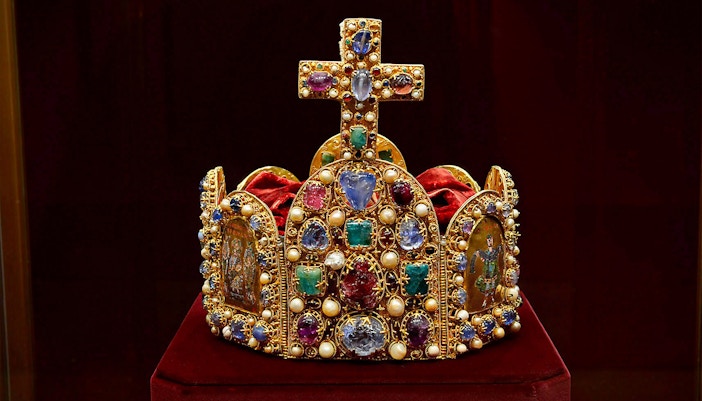
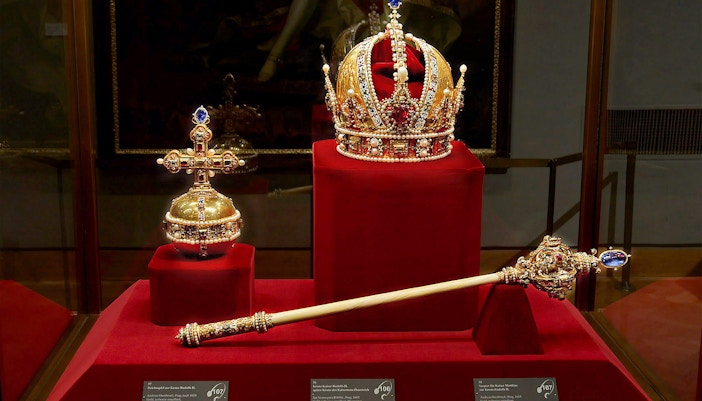
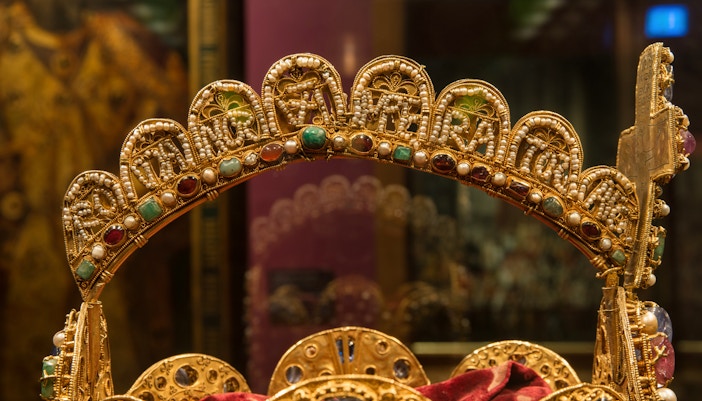
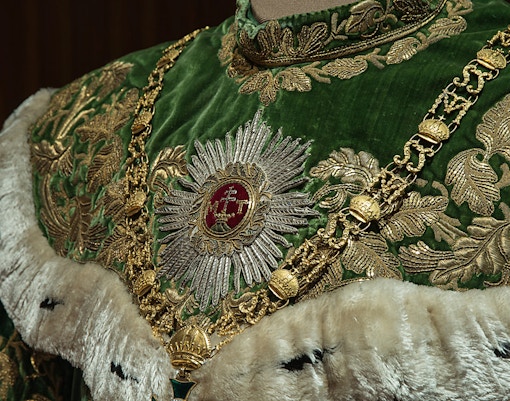
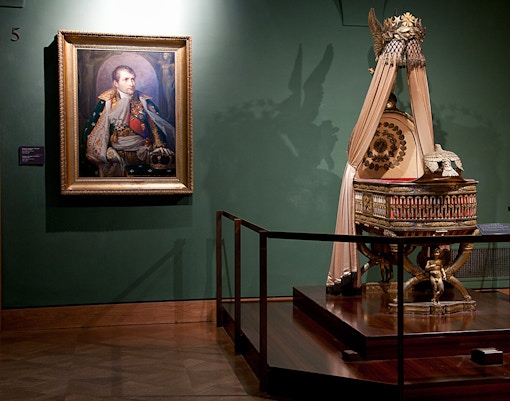
Nestled within the grandeur of the Hofburg Palace, the renowned collection of Imperial Treasury Vienna houses the imperial regalia of the Holy Roman Empire, crown jewels, religious relics, and exquisite artifacts that whisper tales of Austria's rich heritage and royal legacy. Read on to discover the captivating events that have been etched in the walls of this magnificent museum!

What is Imperial Treasury Vienna?
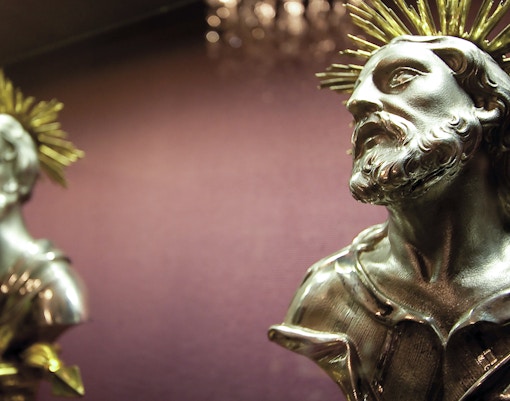
Imperial Treasury Vienna History

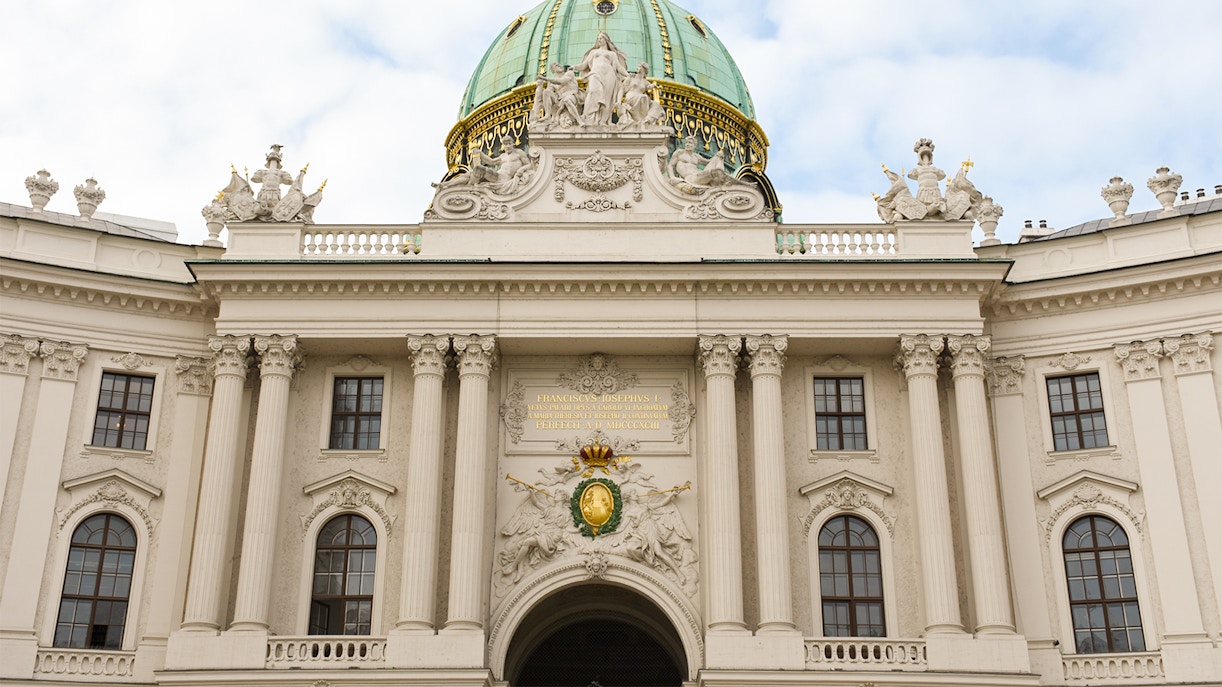
The Imperial Treasury in Vienna is a captivating haven of regal treasures and historical wonders. Located within the majestic Hofburg Palace, it showcases a dazzling array of artifacts that narrate Austria's storied past. Established in 1556 by Jacopo Strada, court antiquarian of Emperor Ferdinand I, it grew in prominence under emperors like Maria Theresa. While the treasury itself wasn't physically built, architects like Johann Bernhard Fischer von Erlach and Heinrich von Ferstel contributed to the evolution of the Hofburg Palace.

Where is Imperial Treasury Vienna Located?

Address: Hofburg, Schweizerhof, 1010 Wien, Austria.

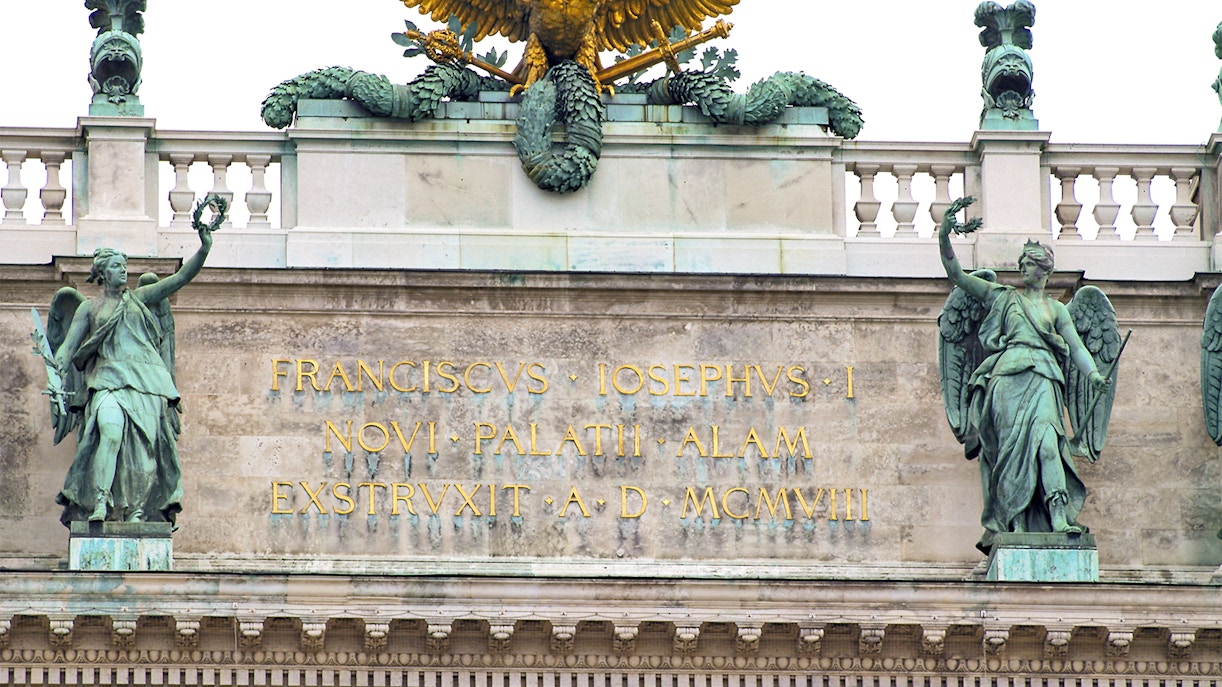
The Imperial Treasury Vienna is situated within the Hofburg Palace complex, which served as the imperial residence of the Habsburg dynasty for centuries. It is located in the historic center of Vienna, which is recognized as a UNESCO World Heritage site. The neighborhood is brimming with cultural attractions, such as St. Stephen's Cathedral, the Vienna State Opera, and the Belvedere Palace.

Find on Maps.

Imperial Treasury Vienna Timeline

  • 1556: Scholar Jacopo Strada establishes the Imperial Treasury collections under Emperor Ferdinand I.
  • 18th Century: Maria Theresa moves the Habsburg treasures to their current location in the Imperial Treasury to conceal war-induced financial strain.
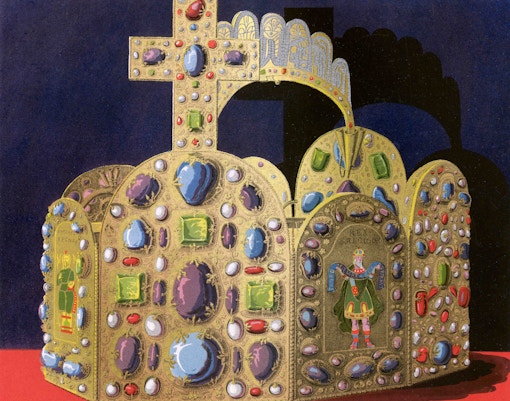
  • 1800: The Imperial Regalia arrives from Nuremberg, where they had been kept since 1424, to protect them from advancing French troops under Napoleon during the last days of the Holy Roman Empire.
  • 1938: After the Austrian Anschluss, Nazi authorities take the treasures back to Nuremberg.
  • End of World War II: US forces return the treasures to Vienna.
  • 1983-1987: The display undergoes a complete renovation.
  • 1918: Jewels are removed from the treasury and taken to Switzerland following the proclamation of the republic and Emperor Charles I's verbal order.
  • 1960s: The fate and ownership of the crown jewels become subjects of discussion during the "Habsburg Crisis" with the return of Otto von Habsburg.
  • Present: Original display cases and empty cases from the Treasury are rediscovered in the Imperial Furniture Collection

History of Imperial Treasury Vienna Explained

The Treasury Collections Established

In 1556, under the patronage of Emperor Ferdinand I, the scholar Jacopo Strada establishes the Imperial Treasury collections, heralding the beginning of a captivating repository of regal artifacts that would span centuries.

The Relocation

During the 18th century, Maria Theresa, a formidable Habsburg ruler, relocates the precious Habsburg treasures to their present location within the Imperial Treasury. This strategic move serves to veil the extent to which the dynasty's wealth had been depleted by costly conflicts with rivaling Prussia.

Napoleon Conquest & Safeguarding

In 1800, as the Holy Roman Empire nears its end, the Imperial Regalia arrives in Vienna from Nuremberg. This timely transfer ensures the preservation of the regalia, protecting them from the advancing French troops led by Napoleon Bonaparte.

The Nazi Interference

The year 1938 marks a dark turn in the history of the Imperial Treasury, as the Nazi authorities seize the treasures and transfer them back to Nuremberg during the Austrian Anschluss. The fate of these invaluable artifacts becomes uncertain and shrouded in secrecy.

End of World War & the Return

At the conclusion of World War II, the US forces restore the treasures to Vienna, bringing them back to their rightful home. The return of these irreplaceable cultural and historical artifacts brings a sense of relief and restores a vital part of Austria's heritage.

Efforts to Renovate

From 1983 to 1987, a comprehensive renovation of the Imperial Treasury takes place, breathing new life into the exhibition. The revitalized display magnificently showcases the wealth and splendor of Austrian history, captivating visitors from around the world with its grandeur.

The Swiss Transfer

In 1918, amidst political upheaval, Emperor Charles I orders the removal of jewels from the treasury. These treasures, including Empress Zita's private jewelry and Habsburg-Lorraine family heirlooms, are transported to Switzerland, sparking debates on their rightful ownership.

To this date, the fate of the crown jewels remains a topic of intrigue and speculation, generating ongoing scholarly discourse.

Architecture of Imperial Treasury Vienna

Imperial Treasury Vienna History

The Imperial Treasury Vienna, nestled within the magnificent Hofburg Palace, reflects the architectural grandeur of its surroundings. The architecture of the palace combines elements of Gothic, Renaissance, Baroque, and Neoclassical styles, showcasing the evolution of architectural trends over centuries. The Imperial Treasury itself is housed in opulent rooms adorned with intricate details, gilded accents, and lavish decorations, befitting the treasures it holds. The architectural elements within the Imperial Treasury highlight the regal atmosphere, with ornate vaulted ceilings, elegant archways, and exquisite craftsmanship that transports visitors to a bygone era of imperial splendor. The combination of the Hofburg Palace's architectural diversity and the Treasury's lavish interiors creates a captivating setting that immerses visitors in the rich history and opulence of the Habsburg dynasty.

All Your Questions About Imperial Treasury Vienna Answered

The Imperial Treasury Vienna is over 650 years old, established in the 14th century.